Best Wood Sealer Options: Top Picks For Maximum Protection
Published May 7, 2026
Don’t let your outdoor decks, fences, and furniture become a costly headache. Unprotected wood absorbs moisture and breaks down under constant sun exposure, leading to graying, cracking, and rot. Without proper protection, your investment can quickly deteriorate. Choosing the right wood sealer is essential for long-term durability. A quality sealer functions as a protective shield, helping prevent moisture damage, UV exposure, and structural decay.
In this article, we break down the best wood sealer options. We’ll provide detailed product reviews and practical tips. Our goal is to help you choose the right solution for your project.
Best Wood Sealer Options: High-Performance Picks
Choosing the right wood sealer can make all the difference in durability and finish. After testing and comparing dozens of products, we’ve identified the top performers for every project and surface.
Seal-Once Marine Premium Wood Sealer
This water-based, penetrating, marine-grade sealer is designed for extreme moisture exposure. It forms a flexible, breathable barrier that protects wood from water damage, UV rays, and salt. It’s ideal for decks, docks, and siding in humid climates.
Pros
- Excellent marine-grade waterproofing for rain and humidity
- Low-VOC, eco-friendly formula that’s safe for pets and plants
- Deep-penetrating sealer prevents cracking and peeling
- UV-resistant for long-term durability
Cons
- Higher price
- Thin formula may require multiple coats
DEFY Extreme Wood Stain And Sealer In One
A water-based stain and sealer fortified with zinc nanoparticle UV blockers. It provides strong fade resistance and durable protection for high-exposure outdoor wood surfaces.
Pros
- Excellent UV resistance
- Resists mold and mildew
- Water-based for easy cleanup and low odor
- More durable than standard sealers
Cons
- Requires thorough prep (cleaning/stripping wood)
- Higher cost than standard sealers
Ready Seal Stain & Sealer For Wood
This oil-based, all-in-one stain and sealer is a favorite among DIYers for its “goof-proof” application. It requires no primer and applies evenly without streaking.
Pros
- Easy to apply (no back-brushing needed)
- Won’t leave lap marks, streaks, or runs
- Penetrates wood deeply for solid protection
- Requires minimal prep
Cons
- Strong, oil-based odor
- Slower to dry
- Less UV protection than premium options
Thompson’s WaterSeal Clear Wood Sealer
This clear waterproofing sealer repels water while preserving wood’s natural look. It’s one of the most widely available and budget-friendly options on the market.
Pros
- Affordable and readily available
- Dries quickly and is easy to apply
- Maintains the wood’s natural look
Cons
- Offers limited UV protection, so wood may gray over time
- Has a shorter lifespan and often requires annual application
- Provides basic protection compared to premium sealers
Armstrong Clark Wood Stain
This oil-based penetrating stain conditions wood with natural oils while protecting it from the elements. It’s known for enhancing wood grain and being easy to maintain.
Pros
- Penetrates deeply to nourish and protect wood
- Enhances the wood’s natural beauty
- Fades naturally without peeling
- Easy to apply without stripping
Cons
- Requires regular upkeep
- Messy, oil-based cleanup
Cabot® Australian Timber Oil
A high-quality, oil-based stain and sealer formulated with a blend of oils. It penetrates dense woods to enhance color and provide weather resistance.
Pros
- Provides a rich, high-end finish
- Penetrates hardwoods effectively
- Offers strong water repellency
- Resists peeling and cracking
Cons
- Requires reapplication in high-UV areas
- May fade faster than synthetic sealers
OLYMPIC® Wood Protector Exterior Solid Color Stain + Sealant In One
This solid-color stain and sealer provides maximum coverage and protection. It creates an opaque finish that seals against moisture and UV damage.
Pros
- Solid pigment provides strong UV protection
- Delivers long-lasting coverage
- Conceals imperfections in old wood
- Convenient all-in-one formula
Cons
- Obscures natural wood grain due to its opaque finish
- May peel if not applied correctly
- More difficult to recoat than penetrating stains
HempShield Deck Sealer
This plant-based wood sealer is made with hemp oil. It creates a non-toxic, breathable finish that protects against moisture and maintains the wood’s natural look.
Pros
- Eco-friendly and non-toxic, making it safe for families, pets, and gardens
- Enhances the wood’s natural texture
- Low odor during application
Cons
- Offers less UV protection than synthetic sealers
- Needs more frequent reapplication
- Harder to find than mainstream brands
How The Best Wood Sealers Compare: Performance, Protection, And Ease Of Use
Performance Comparison
Water-based sealers dry in about an hour, offering a convenient option. In contrast, oil-based and polyurethane sealers can take up to 48 hours to cure but provide richer color and better scratch resistance.
Waterproofing Strength
Breathability is crucial for effective waterproofing. The best sealers allow water vapor to escape from the wood, preventing the finish from blistering. For maximum breathability, choose products with a low SD value.
Ease Of Application
Water-based sealers are easy to apply with a brush or roller and can be wiped away with just soap and water. For larger areas like fences or decks, wood sealer sprays can save time. However, you’ll need to carefully mask off surrounding areas to protect them.
Value For Money
Budget-friendly sealers may seem cheaper at first, but they often require yearly recoating. Premium breathable sealers have a higher upfront cost. However, independent tests show some can last up to 25 years. This provides significant long-term savings.
Wood Sealer Types Explained
Water-Based Vs. Oil-Based
Water-based wood sealers dry faster, have less odor, and are easier to apply. In contrast, oil-based options penetrate deeper into the wood, offering greater durability and a richer finish.
Polyurethane, Acrylic, And Epoxy
Polyurethane provides excellent scratch resistance, making it ideal for floors and decks. Acrylic is quick-drying and resists UV fading, so it’s great for siding. For extreme conditions, epoxy offers the best moisture protection but requires precise mixing and application.
Hybrid Wood Sealers
Hybrid sealers combine different technologies, such as water-based acrylics and penetrating oils. These offer advanced protection by providing fast drying times and deep fiber conditioning.
Environment-Based Choices
Climate and moisture levels are key factors. If you live in a coastal area, you’ll need a sealer with high salt and moisture resistance. For sunny, dry climates, choose one with strong UV blockers to prevent the wood from turning gray.
How To Choose The Best Wood Sealer For Your Project
To choose the right wood sealer, you’ll need to consider the type of wood, your environment, and how durable you need it to be.
Match The Wood Sealer To Your Project Type
- Decks: Use a durable wood deck sealer designed for heavy foot traffic.
- Fences and siding: Choose an exterior wood sealer with strong UV resistance.
- Outdoor furniture: A penetrating outdoor wood sealer will help preserve the wood’s natural grain.
Know The Difference Between Sealers And Sealants
A wood sealer soaks into the wood to block moisture from the inside, while a sealant creates a protective film on the surface. For most outdoor projects, a penetrating sealer offers superior long-term protection.
What To Look For In A Wood Sealer
- Waterproofing: Look for a breathable formula that allows moisture to escape.
- UV protection: Choose a sealer with UV blockers to prevent fading and cracking.
- Drying time: Water-based sealers dry faster, while oil-based ones offer deeper penetration.
- Finish: Use a clear wood sealer to showcase the wood’s natural grain or a tinted one for added UV protection.
Consider Your Climate And Exposure
- Humid climates: Use breathable sealers to prevent trapped moisture.
- Sunny areas: Prioritize formulas with UV resistance.
- Coastal regions: Opt for sealers with salt-resistant protection.
Choose The Right Application Method
- Brush or roller: Ideal for precise application.
- Sprayer: Best for large areas, but remember to back-brush for an even coat.
Balance Cost Vs. Long-Term Value
While premium sealers cost more upfront, they last longer and reduce long-term maintenance costs.
Application Tips For Maximum Performance
- Prepare the wood: Clean the wood’s surface to remove dirt, old paint, and moss. For heavily discolored wood, sand it with 180-grit sandpaper.
- Apply evenly: Work in thin coats, maintaining a wet edge to avoid lap marks, whether you’re using a brush, roller, or sprayer.
- Avoid common mistakes: Never seal damp wood, as trapping moisture can cause rot and peeling. Monitor the weather forecast to ensure a dry 24-hour window for the sealer to cure.
Maintenance Tips For Long-Lasting Wood Protection
- Reapplication frequency: Depending on the product, you may need to reapply the sealer every 1 to 5 years. However, premium breathable formulas can last over a decade.
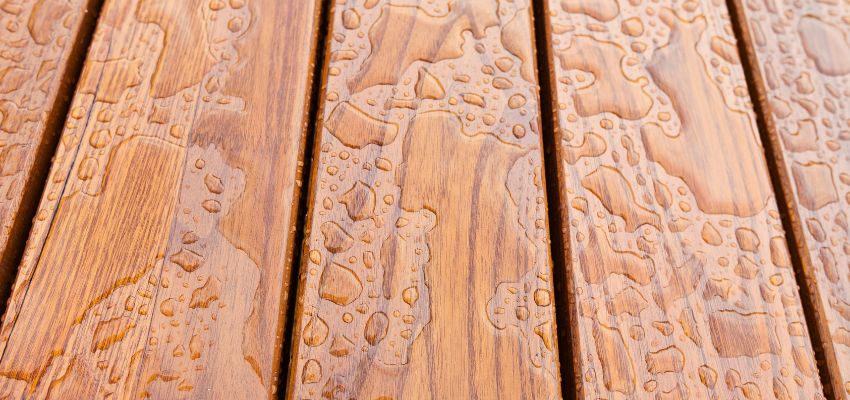
- Signs of wear: It’s time to reseal if you notice water soaking into the wood instead of beading on the surface. Fading color and dry, rough patches are also signs that a new coat is needed.
- Seasonal care: To prevent prolonged moisture exposure, sweep wet leaves off the wood in the fall and shovel snow off decks in the winter.
Frequently Asked Questions
What is the best outdoor wood sealer?
The best options combine strong water resistance with breathable protection.
How long does a wood sealer last on decks?
Standard sealers typically last one to three years. Premium penetrating or polyurethane sealers offer a longer-lasting solution. They can endure for five to ten years. Their lifespan depends on foot traffic and weather conditions.
Is a waterproof wood sealer necessary for all projects?
Yes, if the wood is outdoors. Moisture is the primary cause of wood rot and structural failure.
Can I use a wood sealer spray for large areas?
Yes, sprayers are great for providing fast, even coverage on large surfaces like fences and decks. Just make sure to back-brush the sealer to ensure it fully penetrates the wood.
What’s the difference between a wood sealant and a deck sealer?
Deck sealers are designed for heavy wear on horizontal surfaces. General sealants are used for lighter applications.
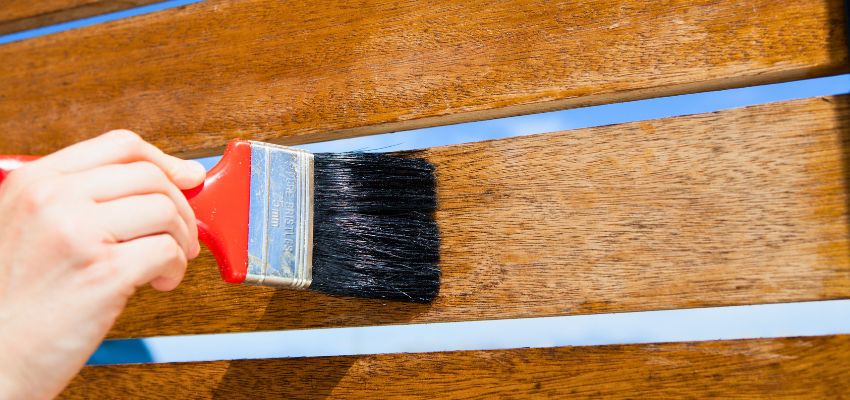
Choose The Best Wood Sealer For Long-Lasting Protection
Protecting your wood surfaces starts with choosing the right product. From fast-drying water-based formulas to durable oil-based options, the best wood sealer depends on your specific needs, environment, and project type. Take the time to prepare your surface, choose wisely, and maintain it regularly. Your wood will stay strong, beautiful, and protected for years to come.
If you’re starting a new project and need exceptional timber, check out Vintage & Specialty Wood. As a premier timber company, they provide high-quality reclaimed and specialty wood with unmatched character and strength. Visit Vintage & Specialty Wood to find the perfect materials for your masterpiece, and be sure to protect it with a top-rated sealer.
Hire The Timber Experts For Your Next Project
Vintage & Specialty Wood should be your source of the highest quality timbers from around the world. When it comes to fabricating and installing reclaimed wood or specialty wood products in your home, we don’t cut corners. We offer many reclaimed wood and specialty wood products such as Douglas Fir, white oak, and much more. We also offer timber framing and wood flooring services as well. Contact our team today to speak to a timber expert about what Vintage & Specialty Wood can do for you.

This Blog Is Fact Checked
This content has undergone meticulous fact-checking by our team of internal experts. Gain a deeper understanding of the high editorial standards we uphold on our website here.

About The Author
Experience, exploration, and knowledge are the hallmarks of writer Rei Bayucca. Her dedication to crafting articles that both inspire and educate will leave you thinking long after you’ve finished reading.