Mango Wood Guide: Pros, Cons, Durability & Care Tips
Published June 4, 2026
Finding stylish, affordable, and sustainable furniture can be a challenge. You might find a beautiful piece that’s out of budget, or an affordable option that isn’t built to last. But what if you didn’t have to compromise? Enter mango wood. This versatile hardwood is known for its beauty and eco-friendly credentials, but is it the right choice for you? And is it as durable as it is attractive?
In this article, we’ll explore the pros, cons, durability, and care requirements of mango wood. Keep reading to discover if it’s the right fit for your home.
What Is Mango Wood?
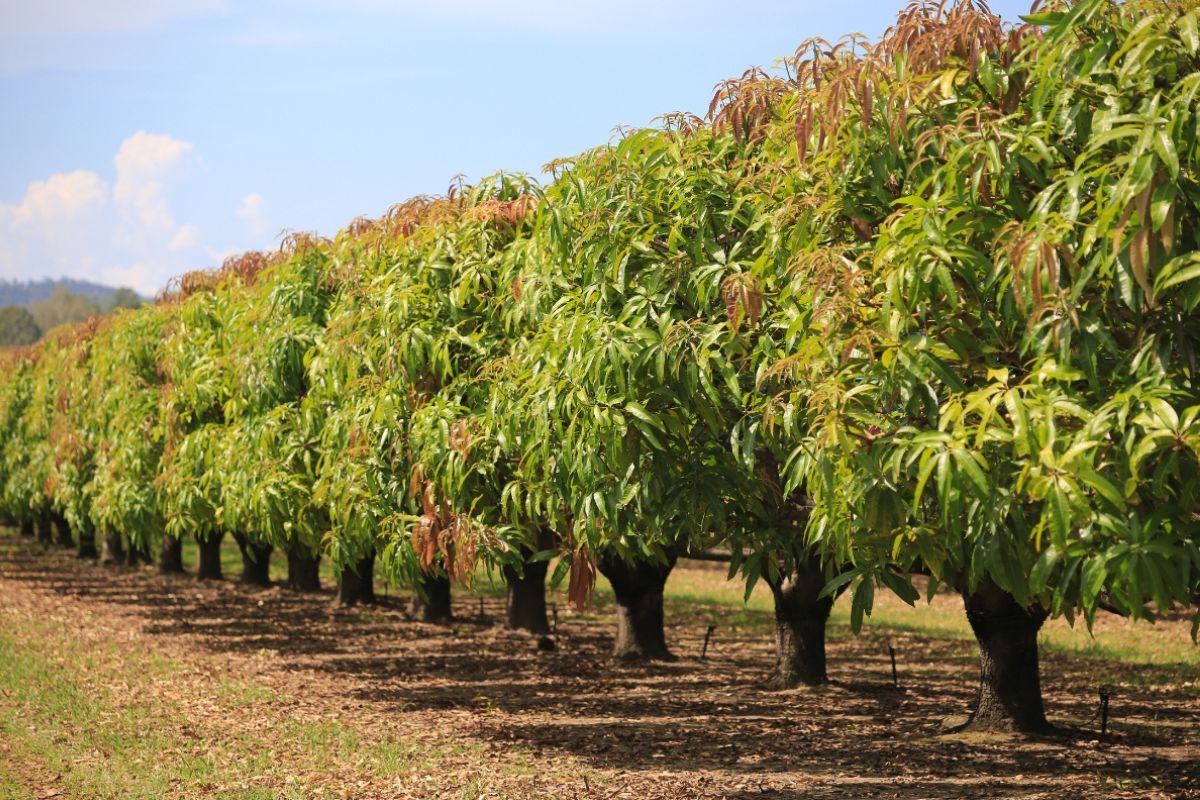
Mango wood is sourced from mango trees, which are harvested after they stop producing fruit, which is usually after 15 to 20 years. Instead of being discarded, these trees are repurposed into high-quality timber. This process makes mango wood a sustainable option, as it uses a resource that would otherwise go to waste.
What Makes Mango Wood Unique?
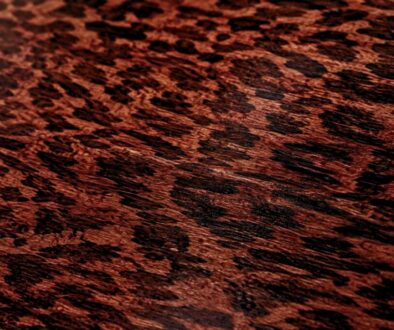
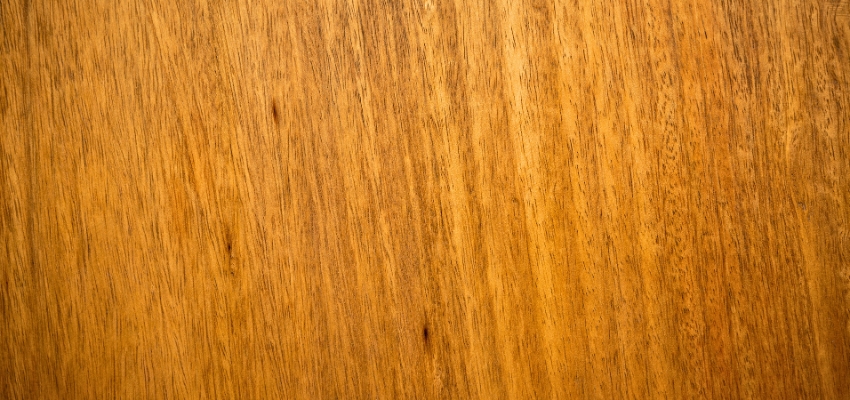
Now, what sets mango wood apart from other hardwoods? Mango wood is a hardwood known for its unique blend of strength and workability. Its color palette is typically warm and golden-brown. It can also display beautiful natural variations. These include shades of yellow, gray, and sometimes even streaks of pink, black, or green.
The grain patterns are just as diverse, ranging from straight to highly decorative and interlocked. This variety, along with natural spalting (unique discoloration from fungi), means no two pieces of mango wood are exactly alike. This distinctive appearance makes it popular for furniture and home decor. It’s also used for kitchenware and musical instruments.
An Eco-Friendly Option
As we consider sustainability, mango wood stands out as an eco-friendly material. Mango wood is considered a sustainable, eco-friendly material. Primarily grown for their fruit, mango trees are only harvested for their timber once they are past their fruit-bearing years. This approach gives the trees a second life as beautiful furniture and decor. Mango trees mature much faster than many traditional hardwoods. This helps relieve the strain on slower-growing forests. It also promotes more sustainable manufacturing.
Advantages Of Mango Wood
With its eco-friendly nature in mind, let’s look at what makes mango wood so appealing for furniture buyers. Durable, sustainable, and uniquely beautiful, mango wood is an increasingly popular choice for furniture and home decor. Its blend of natural charm and practicality makes it an adaptable choice for various interior designs.
If you’re thinking about mango wood for your next furniture piece, here are a few key benefits to consider:
A Budget-Friendly Hardwood
Looking for a durable hardwood that won’t break the bank? Mango wood is an excellent choice. Mango trees grow quickly and are widely available. This makes mango wood furniture more affordable than traditional hardwoods like oak or teak. This means you can furnish your home with high-quality, long-lasting pieces without a hefty price tag.
Strong Ang Long-Lasting
Despite its lower price, mango wood is impressively strong and durable. It has a Janka Hardness rating of around 1,070 lbf, making it comparable in strength to ash and even tougher than some types of mahogany. With the right care, mango wood furniture can effortlessly handle daily wear and tear for years, maintaining both its sturdiness and beauty.
Naturally Beautiful
Mango wood has a warm, inviting appearance. It complements a broad range of interior styles. This includes rustic farmhouses and modern contemporary designs. Its natural charm adds character and sophistication to any room. Because the wood accepts stains and finishes well, homeowners can easily customize its look while preserving its organic appeal.
Unique Colors And Patterns
Each piece of mango wood has its own story to tell. With natural variations in color, grain, and knots and even occasional spalting, these features create unique patterns that can’t be copied. No two furniture pieces are exactly alike, making mango wood an excellent choice for those who appreciate one-of-a-kind furnishings with genuine character.
Potential Drawbacks Of Mango Wood
Of course, no material is perfect. While mango wood has many benefits, there are a few limitations to keep in mind. Like all natural materials, it has certain characteristics that are worth considering before you decide if it’s the right choice for your home.
Vulnerability To Environmental Changes
Mango wood can react to significant changes in heat and humidity. High moisture levels might lead to swelling, whereas very dry air can trigger the wood to crack or warp over time. To mitigate these issues, apply a quality sealant. This is especially important if the furniture is in a room with fluctuating conditions. Examples include a bathroom or a space without climate control.
Potential For Skin Sensitivity
Some individuals may end up with mild skin irritation from handling raw, unfinished mango wood or its sap. This is a rare occurrence and is typically not a concern with finished furniture. Once the wood has been properly treated and sealed, it’s generally safe and poses minimal risk of causing a reaction.
Requires Regular Upkeep
Mango wood furniture, like other hardwoods, requires regular care to keep it looking great and lasting long. Dust and clean it regularly, and occasionally apply a protective wax or wood conditioner to preserve its finish and prevent drying. Neglecting care, especially in busier areas, can make the wood more prone to scratches, stains, and wear over time.
How Durable Is Mango Wood?
Mango wood is a durable hardwood known for its strength, stability, and visual appeal. With a Janka Hardness score of 1,070 lbf, it’s comparable to ash and well-suited for everyday furniture. Its dense grain structure helps it withstand regular wear, making it a popular choice for dining tables, cabinets, and coffee tables.
Properly seasoned and maintained, mango wood furniture can last for decades. However, like most natural woods, it can widen, contract, or warp if exposed to extreme moisture, direct sunlight, or significant temperature and humidity changes.
How To Care For Mango Wood
Maintaining mango wood furniture is simple and helps it look beautiful for years.
- Dust on a regular basis using a soft, lint-free cloth to prevent dirt buildup.
- If any liquid spills onto your mango wood furniture, blot it up right away with a clean, dry cloth to prevent warping and staining. Do not let liquids sit on the surface.
- Avoid cleaning mango wood with strong chemicals or abrasive cleaners, as these can dim or damage the finish. Use gentle, wood-safe products instead.
- Position mango wood furniture out of direct sunlight and away from heat sources. This prevents the wood from fading, cracking, or drying out over time.
- Protect your mango wood by using coasters for drinks and placemats for hot items or dishes. This helps prevent scratches and heat marks on the surface.
- Every few months, apply a suitable furniture wax or wood conditioner according to the manufacturer’s instructions. This nourishes the wood and helps maintain its protective finish.
- Try to maintain consistent indoor humidity levels year-round, ideally between 40% and 55%. Use a humidifier or dehumidifier if needed to prevent the wood from expanding, shrinking, or cracking.
With regular maintenance, your mango wood furniture will retain its distinctive beauty and durability for decades.
Frequently Asked Questions
Is mango wood good for furniture?
Yes, mango wood is a high-quality hardwood often used for furniture. It offers the right balance of durability, affordability, and visual appeal. Its dense grain resists everyday wear. The unique patterns create distinctive pieces. Properly seasoned and finished mango wood can last for decades with the right maintenance. This makes it a popular choice for tables, cabinets, and bedroom furniture.
How durable is mango wood?
Mango wood is a durable hardwood with a dense grain that holds up well against daily use. It’s naturally strong, resistant to moderate impacts, and less prone to wear than many softwoods. While its longevity depends on how it’s constructed and finished, well-cared-for mango wood furniture can last for decades.
How long does mango wood furniture last?
Well-made mango wood furniture can last for several decades. Its lifespan is influenced by construction quality, environmental conditions, and proper care. Indoor furniture typically ages well. Protect it from moisture, heat, and direct sunlight. This helps maintain its structural integrity and appearance.
Is mango wood waterproof or water-resistant?
Mango wood is naturally water-resistant but not completely waterproof. While minor spills won’t cause damage if cleaned up quickly, leaving the wood exposed to moisture for too long can lead to stains, swelling, and warping. For best results, avoid placing mango wood furniture in damp areas and always dry wet surfaces immediately.
Can mango wood furniture be used in humid climates?
Yes, mango wood can be used in humid climates if it’s properly sealed and maintained. However, high humidity can cause the wood to expand, warp, or grow mold. To prevent this, place your furniture in well-ventilated areas and wipe up any spills right away.
Does mango wood crack or warp over time?
Like all natural woods, mango wood can crack, warp, or expand if exposed to excessive heat, direct sunlight, or significant changes in humidity. However, you can prevent these issues with proper placement and care. Keeping the furniture away from radiators, heating vents, and intense sunlight will help maintain its stability and appearance.
Is solid mango wood better than engineered wood furniture?
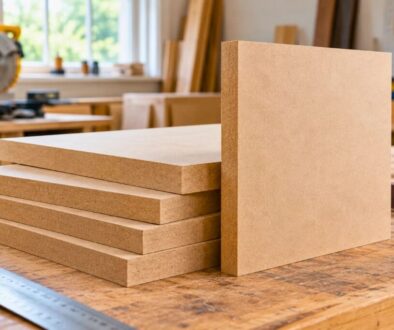
Solid mango wood is durable, long-lasting, and easy to repair. It’s stronger than engineered wood like MDF or particleboard. Engineered furniture is often cheaper. However, solid mango wood offers superior strength and natural beauty. This gives it better long-term value.
Can scratched mango wood furniture be repaired?
Yes, minor scratches on mango wood can often be repaired. For light surface marks, furniture wax or touch-up markers are effective. Deeper scratches might require light sanding and refinishing, but professional restoration is best for significant damage. A key advantage of mango wood is its ability to be refinished, which helps extend the furniture’s lifespan.
Is mango wood resistant to termites?
While mango wood has moderate natural pest resistance, it isn’t completely termite-proof. Treating and sealing the wood improves its durability. Regular maintenance also protects it from termites and other insects.
Elevate Your Space With The Beauty Of Mango Wood
Mango wood is a sustainable, durable, affordable, and beautiful furniture material. While it needs protection from moisture and regular maintenance, these simple care practices ensure its longevity. For homeowners looking for an eco-friendly and character-rich option, mango wood is an excellent choice that brings warmth and style to any living space.
While mango wood is a fantastic choice, every space has a unique style and requirements. If you’re looking for an alternative, Vintage & Specialty Wood offers an exceptional range of distinctive timber. Explore their collection to find the perfect material to bring your vision to life.
Hire The Timber Experts For Your Next Project
Vintage & Specialty Wood should be your source of the highest quality timbers from around the world. When it comes to fabricating and installing reclaimed wood or specialty wood products in your home, we don’t cut corners. We offer many reclaimed wood and specialty wood products such as Douglas Fir, white oak, and much more. We also offer timber framing and wood flooring services as well. Contact our team today to speak to a timber expert about what Vintage & Specialty Wood can do for you.

This Blog Is Fact Checked
This content has undergone meticulous fact-checking by our team of internal experts. Gain a deeper understanding of the high editorial standards we uphold on our website here.

About The Author
Hi, I’m Corinne Grace, a nursing graduate from Riverside College who enjoys writing about woodworking. Read as I cover how to choose between hardwoods and softwoods, how stains and finishes perform on different species, and so much more. My goal is to give woodworkers clear, well-researched guides they can use for their next project.