Water Resistant Wood: Best Options Explained
Published July 30, 2026
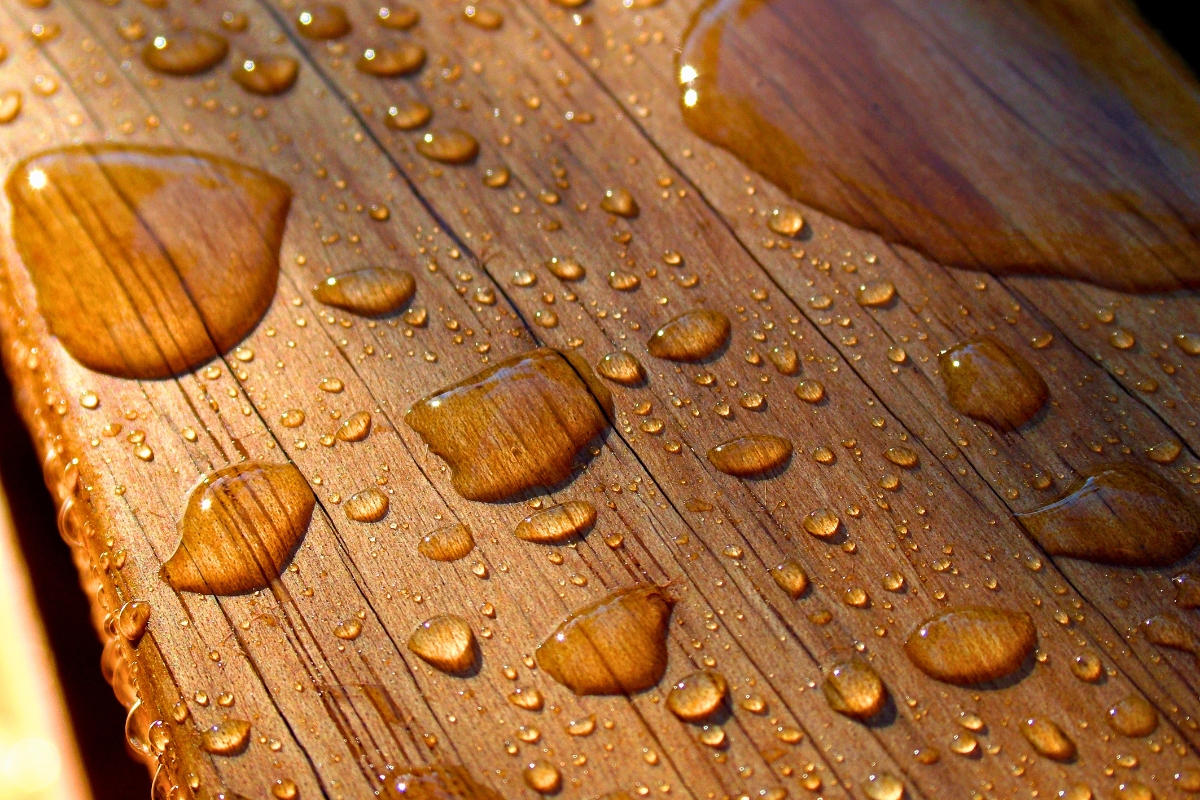
Moisture is a major threat to any wood project. Over time, it can cause wood to swell, warp, crack, and rot, turning a beautiful deck, fence, or piece of furniture into a costly repair. Choosing water resistant wood from the start protects your investment and ensures long-lasting performance. This applies whether you’re building a deck, outdoor furniture, or a boat deck. It’s also important for furnishing moisture-prone indoor spaces.
Not every wood species performs the same when exposed to moisture. Some woods, like teak and ipe, naturally resist water because of their dense grain and high oil content. Others rely on treatments or protective finishes to improve durability. Understanding these differences makes it easier to choose the right wood. You’ll also need to consider your local climate, maintenance expectations, and budget.
Water Resistant Wood Types & Species
Teak
Teak is widely regarded as the benchmark for water-resistant hardwoods. It’s native to Southeast Asia. Teak contains abundant natural oils and silica. These properties help repel moisture and resist rot. They also discourage insect damage. Because of these built-in qualities, teak performs exceptionally well outdoors. It doesn’t rely heavily on sealants or protective finishes.
Teak is a leading choice for outdoor furniture and boat decking. It holds up well against constant sun, rain, and humidity. Teak does come at a premium price. However, its exceptional longevity makes it a worthwhile long-term investment.
Cedar
Cedar has long been a favorite for outdoor construction. It naturally withstands moisture, decay, and insect activity. Its lightweight structure makes it easy to cut and install. It also offers good dimensional stability. This helps minimize shrinking, swelling, and warping as humidity changes.
These qualities make cedar well suited for fencing, siding, decking, pergolas, and outdoor furniture. Its warm color and distinctive grain also add lasting visual appeal to exterior spaces.
Redwood
Redwood is valued for its natural stability and impressive resistance to moisture-related damage. Redwood is naturally rich in tannins. These tannins help it resist decay and insect infestation. As a result, it requires little to no chemical treatment.
Redwood is a dependable choice for decks, garden structures, pergolas, and outdoor furniture. Its strength and dimensional stability help it hold up well over time. Redwood can perform well without a finish, but periodic sealing is recommended. This helps preserve its signature reddish color and extend its lifespan.
Ipe
Often called Brazilian Walnut, ipe is among the densest and hardest hardwoods available. Its tightly packed grain creates a strong barrier against water, rot, and insects. It also holds up well against day-to-day wear and tear. These qualities make it an exceptional choice for demanding outdoor environments.
Ipe is commonly used for premium decking, boardwalks, docks, and luxury outdoor furniture. This is largely due to its outstanding durability. However, its density makes it more challenging to cut and fasten. For larger projects, professional installation is often recommended.
Mahogany
Mahogany is cherished for its rich reddish-brown color, fine grain, and natural durability. It has a moderate oil content and high density. These properties help it resist moisture, swelling, shrinking, and insect damage. This makes it a popular choice for outdoor furniture, marine interiors, and decorative woodworking. It performs well in applications where both durability and appearance are important.
Iroko
Iroko is usually referred to as “African teak.” It offers many of the same performance benefits as teak, but at a more affordable price. Its dense grain and naturally occurring oils make it highly resistant to moist conditions, decay, and insect attack.
Iroko is frequently used for decking, cladding, outdoor furniture, and boatbuilding. Its dimensional stability is a key advantage in these applications. It helps minimize warping and movement over time.
Oak
European White Oak and American White Oak are both renowned for their strength and natural water resistance. Their grain is dense and rich in tannins. This slows moisture absorption and helps protect the wood against fungal decay.
White oak has been used for centuries in boatbuilding, decking, flooring, furniture, and exterior joinery. However, not all oak is equal. Red oak is considerably more porous than white oak. This makes it far less suitable for prolonged outdoor exposure.
Western Red Cedar
Western Red Cedar is regarded as one of the most naturally durable cedar species available. It contains natural oils that resist decay, insects, and moisture. These properties allow it to perform exceptionally well in wet climates.
Western Red Cedar is lightweight and dimensionally stable. Its attractive reddish-brown tones make it a visually appealing choice for outdoor projects. It’s commonly used for siding, fencing, and pergolas. Its natural durability makes it well suited for structures that need to perform well over the long term.
Heat-Treated Woods
Heat-treated wood, also called thermally modified wood, goes through a controlled heating process that changes its cellular structure. This reduces moisture absorption and increases resistance to decay, insects, and warping.
Thermo-ayous, thermally modified pine, and thermally modified ash are popular options. They offer an attractive alternative to naturally water-resistant hardwoods and improve outdoor performance. They also cost less than premium hardwoods like teak and ipe.
Douglas Fir
Douglas fir is a strong, versatile softwood with moderate natural resistance to moisture. It isn’t as naturally weather-resistant as teak or ipe. However, it performs well outdoors when properly sealed or pressure-treated.
Douglas fir has an excellent strength-to-weight ratio. Its straight grain makes it easy to work with. These qualities make it a popular choice for decking and siding. It also works well for exposed beams and structural applications. It strikes a great balance between durability and workability.
Cherry
Cherry wood has moderate moisture resistance. This makes it better suited to interior spaces than outdoor use. With the right finish, it performs well in kitchens and bathrooms. It also works well for furniture and cabinetry where humidity occasionally fluctuates.
Cherry’s warm reddish tones deepen over time. This natural aging process adds richness and character. It’s a popular choice for high-end interior woodworking.
Maple
Maple is another hardwood best suited to indoor environments. It’s naturally dense, but it isn’t built for prolonged exposure to rain or standing moisture. A quality protective finish helps it perform well indoors. It’s a reliable choice for flooring, cabinetry, and furniture. Maple’s smooth grain is visually appealing on its own. It also features distinctive figuring, such as birdseye and curly maple. These qualities make it a favorite among fine woodworkers.
Some wood species handle moisture better than others. A few stand out above the rest. These are the top choices for outdoor projects where water resistance matters most.
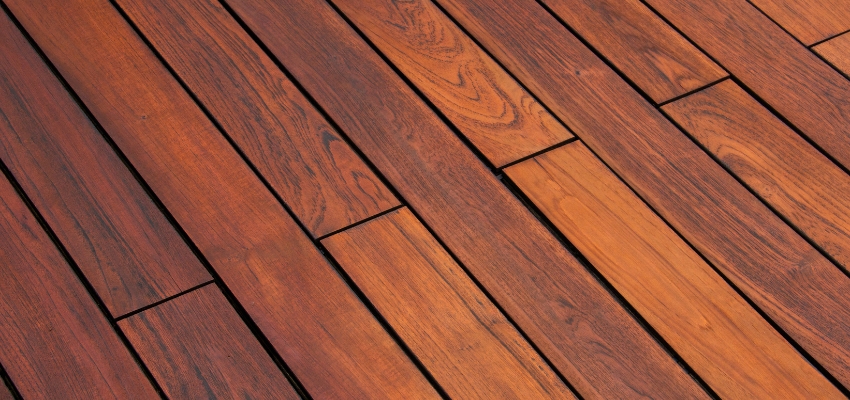
Best Water-Resistant Wood for Outdoor Projects (Top Picks)
Planning an outdoor project? Some wood species handle the elements far better than others. Here are the most dependable choices for rain, humidity, and changing weather conditions.
- Teak: It’s the gold standard for outdoor furniture and marine applications. Its natural oils make it highly durable and water-resistant. Few woods can match its long-term performance outdoors.
- Ipe: Ipe is extremely dense and highly durable. These qualities make it a top choice for decking and boardwalks. It also performs well in any high-traffic outdoor space.
- Western Red Cedar: It’s lightweight and naturally resistant to decay. It’s also one of the more budget-friendly options available. This makes it a practical choice for many exterior projects.
- Redwood: Valued for its stability, attractive appearance, and low-maintenance performance.
- Iroko: Offers teak-like durability at a lower cost, making it an excellent alternative for outdoor builds.
- White Oak: White Oak is dense and rich in tannins. It handles moisture exceptionally well. This makes it a strong choice for decking, boat frames, and other wet environments.
These species have several characteristics in common: dense grain, natural oils or tannins, and excellent dimensional stability. If your project will face year-round rain or humidity, starting with one of these woods can reduce maintenance and extend its service life.
Teak and ipe tend to offer the longest service life in consistently wet environments. Western Red Cedar and redwood are also highly durable. They are often more affordable too. No matter which species you choose, proper drainage is essential. Routine maintenance and protective finishes will also help maximize its lifespan.
How Does Water-Resistant Wood Work?
Not all wood resists moisture in the same way. A few key characteristics determine how well a species performs in wet conditions. Some occur naturally, while others result from specialized treatment processes.
- Natural oils. Teak and iroko are two examples of wood that contain natural oils. These oils coat the wood fibers and slow moisture absorption. They also help protect against insects and fungal growth. This built-in protection is one reason these species have such long outdoor lifespans.
- Dense grain structure. The tighter a wood’s grain, the less space there is for water to penetrate. Dense hardwoods like ipe and white oak absorb moisture more slowly. This reduces the likelihood of swelling, warping, and cracking.
- Natural tannins. Tannins found in woods like oak and redwood act as natural preservatives. They help resist fungal decay and insect damage. This makes them valuable in damp environments. Over time, tannins also contribute to the wood’s overall durability.
- Heat modification. Thermal modification changes the wood’s cellular structure. This is done by exposing it to high temperatures in a controlled environment. The process reduces moisture absorption and improves dimensional stability. As a result, certain species perform much better outdoors.
- Naturally water-resistant vs. treated wood. Naturally water-resistant species like teak and ipe rely on their density and natural chemical composition for protection. Treated wood gains its resistance differently. It goes through pressure treatment, preservatives, or thermal modification. These treatments can greatly improve the performance of more affordable wood species. However, they may require additional maintenance over time.
Best Uses for Water-Resistant Wood
Outdoor Living Projects
Outdoor furniture, decking, fencing, and pergolas all need wood that can handle the elements. Rain, humidity, and changing weather can take a serious toll on exterior structures. Fortunately, species like teak, ipe, cedar, redwood, Western Red Cedar, and thermally modified wood are built to last. They resist warping, cracking, and decay while maintaining their appearance over time.
Boat Building & Marine Projects
Marine environments expose wood to constant moisture and, in many cases, saltwater. Teak, white oak, iroko, and mahogany have long been trusted for boatbuilding. Each species offers excellent moisture resistance. They also provide the strength and dimensional stability needed for demanding marine conditions.
Indoor High-Moisture Areas
Bathrooms, kitchens, laundry rooms, and other humid spaces benefit from moisture-resistant wood. White oak, teak, and properly sealed cherry or maple can perform well indoors when finished and maintained appropriately.
Tips for Selecting the Right Water-Resistant Wood
Assess Your Climate
Choose a wood species that matches your local environment. Some areas experience frequent rain or high humidity. In these climates, naturally durable species such as teak, ipe, cedar, or white oak are the best choice. Drier climates, on the other hand, offer greater flexibility in material selection.
Think About Maintenance
Maintenance requirements vary widely between wood species. Teak and ipe typically need little more than routine cleaning. Woods like Douglas fir, however, require periodic sealing to maintain their moisture resistance. Before choosing a species, consider how much ongoing maintenance you’re willing to perform.
Evaluate Aesthetics
Durability matters, but appearance is equally important. Every wood species has its own distinct look. Teak offers warm golden tones. Cedar and redwood bring rich, reddish hues. White oak is known for its timeless grain. No matter your design style, there’s a water-resistant wood to match it, without compromising on performance.
Consider Budget
Premium hardwoods such as teak and ipe deliver exceptional longevity but come with higher upfront costs. Budget-conscious buyers have solid options too. Heat-treated or pressure-treated wood offers dependable moisture resistance at a lower price point. Pair it with regular maintenance, and it can hold up well over time.
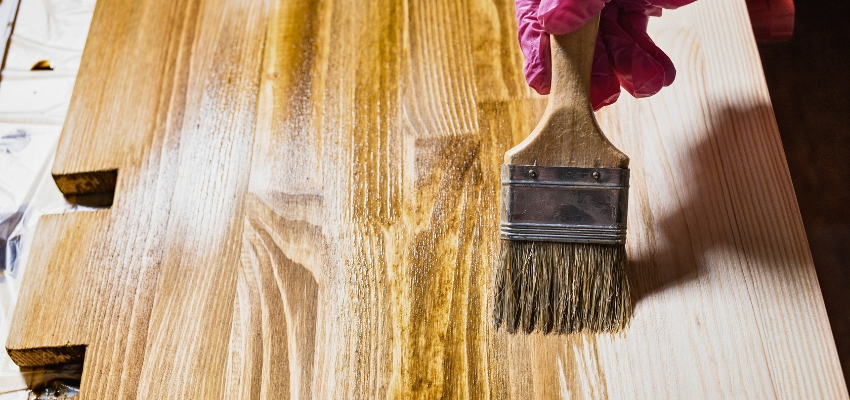
How to Make Water-Resistant Wood Last Longer
Even the most durable water-resistant wood benefits from regular care. A few simple maintenance habits can help preserve its appearance and extend its lifespan.
- Clean regularly. Dirt, mold, and mildew trap moisture against the wood’s surface, increasing the risk of deterioration. Periodic cleaning with a wood-safe cleaner helps prevent buildup.
- Apply protective finishes when needed. Sealants, stains, and penetrating oils provide additional protection, especially for species with moderate natural water resistance. Follow the manufacturer’s maintenance recommendations.
- Prevent standing water. Design decks, fences, and outdoor furniture so water drains away instead of collecting on the surface. Remove puddles promptly and avoid placing planters or other objects directly on wood where they can trap moisture.
- Inspect for signs of wear. Check periodically for cracks, soft spots, finish deterioration, or discoloration. Addressing minor issues early helps prevent more extensive repairs.
Water-Resistant Wood vs Waterproof Wood (Key Differences)
These terms are often used interchangeably. However, they actually describe two different levels of moisture protection.
Water-resistant wood slows the absorption of moisture. It can withstand rain, humidity, and occasional splashes. However, prolonged exposure will eventually allow water to penetrate the wood. Naturally long-lasting species such as teak, cedar, and white oak fall into this category.
Waterproof wood, in the strictest sense, doesn’t occur naturally. Given enough time, all solid wood absorbs moisture. Some wood products are marketed as “waterproof.” These are typically treated with coatings such as marine-grade sealants or epoxy finishes. These coatings form a barrier between the wood and water. These coatings are not permanent and require periodic maintenance. Once the protective layer wears away, the wood beneath becomes vulnerable to moisture.
For most decks, outdoor furniture, fencing, and landscape structures, naturally water-resistant wood is a reliable choice. Pair it with proper installation and routine maintenance, and it will hold up well over time. Waterproof coatings are better suited for applications with continuous water exposure. Think boat components, bathroom vanities, or bar tops.
Frequently Asked Questions
What is the most water-resistant wood?
Teak and ipe are generally considered the most water-resistant wood species available. Teak’s natural oils and ipe’s exceptional density make it difficult for moisture to penetrate either wood.
Which wood lasts longest outdoors?
Ipe and teak are known for their exceptional longevity, often enduring for decades with minimal maintenance. Western Red Cedar and redwood are also excellent options for long-term outdoor use when properly maintained.
Can water-resistant wood still rot?
Yes. Water-resistant wood withstands moisture better than many other species, but it’s not immune to rot. Prolonged exposure to standing water, poor drainage, or neglected maintenance can eventually lead to decay.
Does water-resistant wood need sealing?
It depends on the species. Woods such as teak and ipe can perform well without sealants, although applying a finish helps preserve their natural color. Species with moderate water resistance benefit from periodic sealing. This includes cedar and Douglas fir. Sealing these woods helps maximize their service life.
Is cedar or teak better for outdoor furniture?
Both are excellent choices, but each offers different advantages. Teak provides superior durability, water resistance, and longevity, making it a premium option. Cedar is lighter and more affordable than teak. It still delivers dependable outdoor performance. This makes it an excellent choice for homeowners who want a balance between cost and durability.
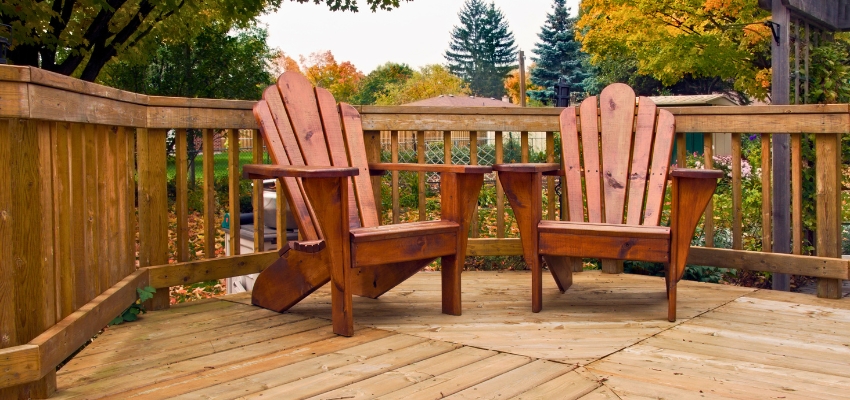
Choosing the Best Water Resistant Wood for Your Project
Choosing the right water resistant wood is essential for any outdoor, marine, or moisture-prone project. Premium hardwoods like teak and ipe offer superior durability, while more affordable options like cedar, redwood, or heat-treated wood are equally reliable. The key is matching the species to your environment and maintenance expectations. No wood is completely waterproof, but proper installation and routine care can help. Adding a protective finish can extend its lifespan even further. With the right approach, your wood can perform beautifully for decades.
Whether you’re restoring a historic property, building an outdoor living space, or sourcing premium lumber, Vintage & Specialty Wood offers a curated collection of reclaimed and specialty products. Their knowledgeable team can help you find materials that balance durability with timeless character.
Hire The Timber Experts For Your Next Project
Vintage & Specialty Wood should be your source of the highest quality timbers from around the world. When it comes to fabricating and installing reclaimed wood or specialty wood products in your home, we don’t cut corners. We offer many reclaimed wood and specialty wood products such as Douglas Fir, white oak, and much more. We also offer timber framing and wood flooring services as well. Contact our team today to speak to a timber expert about what Vintage & Specialty Wood can do for you.

This Blog Is Fact Checked
This content has undergone meticulous fact-checking by our team of internal experts. Gain a deeper understanding of the high editorial standards we uphold on our website here.

About The Author
Experience, exploration, and knowledge are the hallmarks of writer Rei Bayucca. Her dedication to crafting articles that both inspire and educate will leave you thinking long after you’ve finished reading.