Untreated Wood vs. Treated Wood: What You Need To Know
Published June 24, 2026
Choosing the right wood for your project is crucial. The wrong choice can lead to a warped deck, an insect-infested fence, or a blown budget. The decision often comes down to untreated versus treated lumber. Untreated wood is natural and affordable, while treated wood is engineered to resist moisture, insects, and decay. Knowing the distinction will help you decide on the right material and avoid costly repairs.
Ready to build something that lasts? This guide will explain the differences between untreated and treated wood, comparing them on durability, cost, maintenance, and safety. You’ll also learn which option is best for different projects, helping you find the right fit for your build.
What Is Untreated Wood?
Untreated wood is lumber in its natural state, free from chemical preservatives. It maintains the original grain, color, and texture of the tree, making it a popular choice for projects where appearance and workability are important.
How Untreated Wood Is Made
Logs are milled, kiln-dried to reduce moisture, and planed into boards. Since no chemical preservatives are added, the wood remains in its natural state.
Common Types of Untreated Wood
Untreated wood is available in many common species, including:
- Pine: Inexpensive, lightweight, and easy to work with
- Cedar: Naturally aromatic and rot-resistant
- Oak: Strong, dense, and known for its rich grain
- Redwood: Valued for its rich color and natural weather resistance
- Mahogany: Features deep reddish tones and is prized for fine furniture
Benefits of Using Untreated Wood
Untreated wood offers several key advantages:
- It retains its natural aesthetic, showcasing visible grain patterns and authentic character.
- It’s easier to paint and stain than pressure-treated lumber.
- It has a lower upfront cost compared to treated wood.
Drawbacks of Untreated Wood
Without preservatives, untreated wood is more vulnerable to moisture, insects, and decay, especially outdoors. Exterior projects using untreated wood typically require extra protection and regular maintenance.
Takeaway: Untreated wood is ideal for indoor or decorative projects where its natural beauty and lower cost are the main priorities.
What Is Treated Wood?
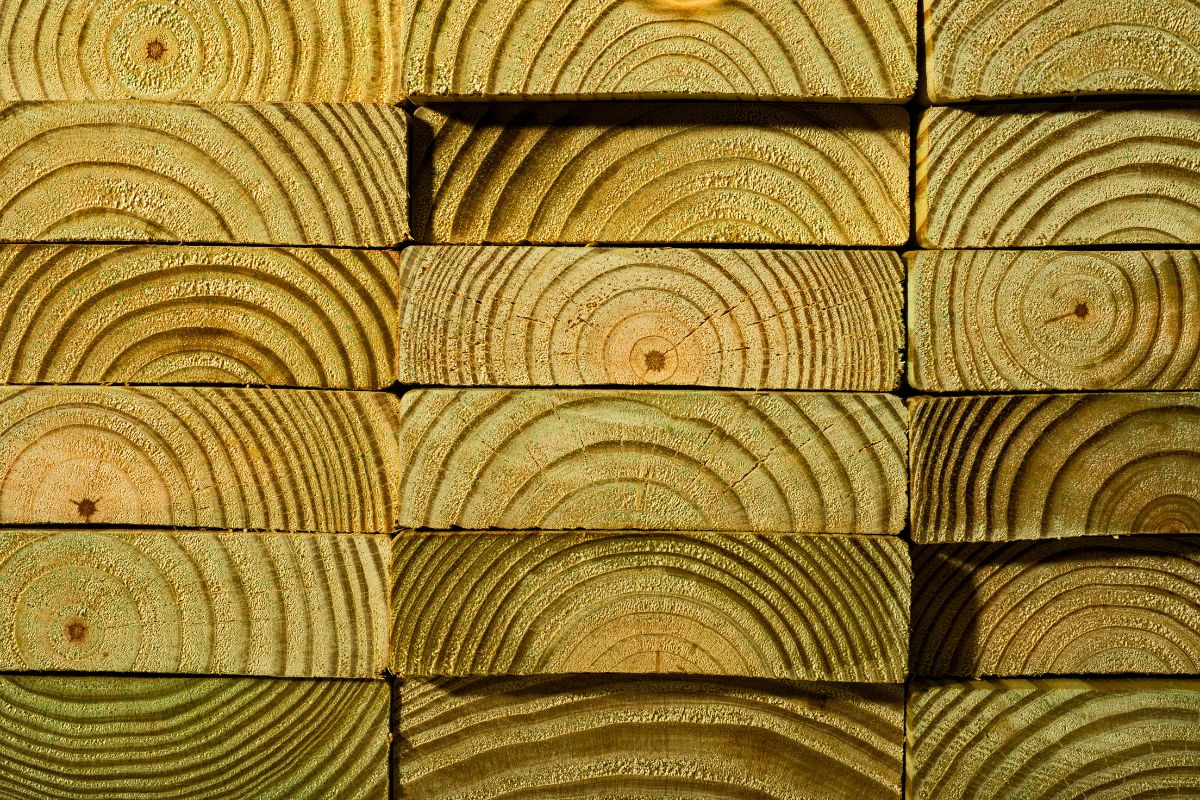
Treated wood, also known as pressure-treated (PT) lumber, is infused with preservatives to improve its resistance to moisture, insects, and decay. This added protection makes it a common material for outdoor construction.
How Wood Treatment Works
The wood treatment process involves several key steps:
- Lumber is sourced from a mill, and its moisture content is tested.
- The boards are placed in a sealed treatment chamber.
- Pressure is used to force chemical preservatives deep into the wood fibers.
- The wood is dried before being distributed.
This process ensures the preservatives penetrate deeply, giving the wood long-term protection against environmental damage.
Benefits of Treated Wood
Treated wood offers several key advantages:
- Enhanced durability for outdoor use
- Resistance to termites, rot, and fungal decay
- Reduced risk of premature deterioration
- Manufacturer warranties ranging from 15 to 40 years
Potential Drawbacks of Treated Lumber
The primary concern with treated lumber involves the chemicals used. In 2004, the EPA banned chromated copper arsenate for residential use, making modern pressure-treated wood much safer. However, it’s still important to handle it carefully:
- Wear gloves during installation.
- Utilize a dust mask when sanding or cutting.
- Never burn treated lumber.
- Seal finished projects when appropriate.
Common Uses for Treated Lumber
Treated wood is often used for outdoor projects like:
- Decks and railings
- Fences
- Walkways
- Raised garden beds
- Playground equipment
- Ground-contact construction
Takeaway: Treated wood is ideal for environments where exposure to weather, moisture, and insects is a concern.
Treated vs Untreated Wood: Understanding the Key Differences
While both treated and untreated wood start as the same raw material, the treatment process creates significant differences between them. Here’s a comparison:
Durability and Lifespan
Treated and untreated wood differ significantly in longevity. Properly maintained treated lumber can last for decades outdoors, while untreated wood has a much shorter lifespan when exposed to the elements.
Moisture, Rot, and Insect Resistance
Pressure-treated lumber contains preservatives that protect it from moisture, fungi, and insects. Untreated wood relies on its natural properties for protection, though you can apply protective finishes after installation.
Appearance and Aesthetics
Untreated wood offers a more natural appearance, showcasing its unique grain patterns and color variations. The treatment process can alter the look of treated lumber.
Cost Comparison
Untreated wood generally has a lower upfront cost because it doesn’t undergo the pressure-treatment process. The additional manufacturing steps involved in creating treated lumber increase its price.
Maintenance Requirements
Treated wood used outdoors benefits from periodic cleaning and sealing to maximize its lifespan. Untreated wood in outdoor settings requires more proactive maintenance to prevent deterioration.
Environmental and Safety Considerations
Untreated wood contains no added preservatives, making it a popular choice for indoor projects. Treated lumber, on the other hand, contains protective chemicals, though modern products must adhere to strict safety standards.
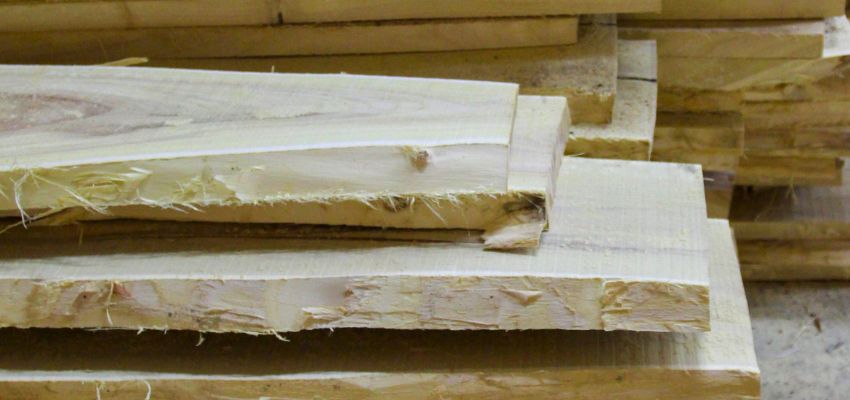
Difference Between Treated and Untreated Wood for Common Applications
These differences become particularly important when selecting wood for a specific job.
- Interior walls and decorative features. Untreated wood’s natural appearance makes it a popular choice for indoor features like accent walls, decorative beams, and trim.
- Furniture and DIY projects. Untreated wood is ideal for indoor furniture and craft projects, as it’s easy to customize with stains, paint, and other finishes while maintaining a natural appearance.
- Decks and outdoor living spaces. Decks, benches, railings, and patios are constantly exposed to the elements. Treated lumber is usually the better choice for these outdoor structures as it offers greater durability and a longer lifespan.
- Fences and landscaping projects. Fences and landscape structures are often exposed to moisture and soil. Treated wood is recommended for these demanding conditions to prevent premature deterioration.
- Structural construction uses. Structural components are often exposed to moisture or have direct contact with the ground. Treated lumber provides the extra protection needed for long-term durability in these cases.
How Long Will Untreated Wood Last Outside?
You can go for untreated wood for outdoor projects, but its lifespan will depend on the environment and its upkeep.
Factors That Affect Lifespan
The durability of untreated wood outdoors depends on several factors:
- Climate and humidity
- Sun exposure
- Ground contact
- Maintenance
Average Lifespan by Wood Species
Some wood species are naturally more durable for outdoor use:
- Cedar and redwood can endure for decades with proper care.
- Oak is durable but still benefits from a protective finish.
- Pine has a shorter lifespan outdoors when left untreated.
Signs of Weathering and Decay
Look for these warning signs:
- Fading or graying surfaces
- Cracks and splits
- Warping
- Soft spots caused by rot
- Insect damage
Can Untreated Wood Be Used Outdoors Successfully?
Yes, untreated wood can perform well outdoors with the right protective finishes and consistent maintenance. Choosing a naturally durable species will further improve its longevity.
How To Treat Untreated Wood for Outdoor Use
Using untreated wood outdoors? Proper protection is key.
Choosing the Right Preservative
Choose a preservative designed to protect against moisture, insects, and UV rays. Water-repellent formulas are a great place to start.
Preparing the Wood Surface
Before applying your chosen finish, make sure to:
- Thoroughly clean the surface.
- Sand any rough spots.
- Let the wood dry completely.
Applying Sealers, Stains, or Paint
When it comes to protecting your wood, you have several options:
- Sealers: Maintain a natural look while adding a protective layer.
- Stains: Add color and provide extra protection.
- Paint: Offers the best defense against the weather.
Spread the product evenly and leave it in place to dry between coats.
Maintenance Tips for Long-Term Protection
To extend the life of outdoor untreated wood, you should:
- Reapply sealers or stains every one to three years.
- Clean the wood surfaces regularly.
- Repair any cracks promptly.
- Minimize direct contact with the ground.
Untreated Wood vs. Treated Wood: How To Choose the Right Option
Consider Your Environment
Treated lumber is typically the better choice for outdoor projects. Untreated wood is often favored for indoor spaces because of its natural appearance and versatility.
Consider Your Budget
Untreated wood usually costs less initially. However, treated lumber may provide greater long-term value for projects exposed to weather.
Consider Maintenance Requirements
Untreated wood used outdoors will require more maintenance than treated wood. Consider the upkeep when choosing between them.
Consider Long-Term Performance
Ultimately, the suitable choice will depend on your project’s specific needs, balancing durability, appearance, maintenance, and lifespan.
Frequently Asked Questions
Can untreated wood be used outdoors?
Yes, but you need to protect it. Seal, stain, or paint the wood. Routine maintenance is key to maximizing its lifespan.
How long does untreated wood last compared to treated wood?
Treated wood can last longer outdoors, sometimes reaching 40 years. Untreated wood may last only a few years outside, though indoors it can last indefinitely with proper care.
Is treated wood safe for gardens, raised beds, and residential projects?
Today’s treated wood is much safer than older products. Since 2004, harmful arsenate chemicals have been banned for residential use. Sealing your project and following EPA guidelines keeps it safe for most home applications.
Which is more environmentally friendly: untreated wood or treated wood?
Untreated wood contains no added preservatives. Reclaimed wood can also be an environmentally responsible choice, depending on the project.
When should you choose untreated wood instead of treated wood?
Untreated wood is great for indoor projects. It’s often used for furniture, shelving, and decorations. Use it when weather exposure is not a concern.
Which wood species naturally resist rot without chemical treatment?
Cedar, redwood, and certain hardwoods like teak and white oak resist rot naturally. They’re great picks when you want outdoor durability without heavy chemical treatment.
What are the long-term costs of untreated versus treated wood?
Untreated wood is cheaper to buy but may need more upkeep or replacement outdoors. Treated wood costs more upfront yet often delivers better long-term value in exposed conditions.
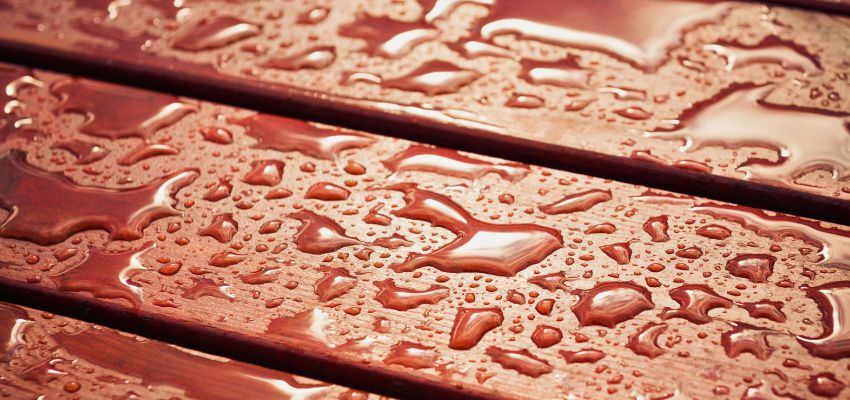
Build Smarter: Choosing Between Treated and Untreated Wood
Choosing between treated and untreated wood ultimately comes down to where and how the material will be used. Untreated wood is beautiful, affordable, and flexible for indoor use. Treated lumber offers the durability needed for outdoor projects. By considering your project’s location, maintenance, budget, and desired lifespan, you can choose the wood that offers the best long-term value.
Whether you’re considering untreated wood for its natural beauty or treated lumber for added durability, choosing the right material is key to a successful project. Vintage & Specialty Wood offers expert guidance and premium wood products to help you find the perfect fit for your needs. Contact our team today to get started.
Hire The Timber Experts For Your Next Project
Vintage & Specialty Wood should be your source of the highest quality timbers from around the world. When it comes to fabricating and installing reclaimed wood or specialty wood products in your home, we don’t cut corners. We offer many reclaimed wood and specialty wood products such as Douglas Fir, white oak, and much more. We also offer timber framing and wood flooring services as well. Contact our team today to speak to a timber expert about what Vintage & Specialty Wood can do for you.

This Blog Is Fact Checked
This content has undergone meticulous fact-checking by our team of internal experts. Gain a deeper understanding of the high editorial standards we uphold on our website here.

About The Author
Hi, I’m Corinne Grace, a nursing graduate from Riverside College who enjoys writing about woodworking. Read as I cover how to choose between hardwoods and softwoods, how stains and finishes perform on different species, and so much more. My goal is to give woodworkers clear, well-researched guides they can use for their next project.