The Most Expensive Tree Species Around the Globe
Published June 30, 2026
What makes one species the most expensive tree in the world? Usually, it’s not size or age, but the rare materials it produces. These materials are prized for many reasons. Exceptional hardwood is used in luxury furniture and fine woodworking. Fragrant resin and aromatic oils are key ingredients in perfumes. Decorative burls are sought after for collectibles and musical instruments.
Below are ten of the world’s most valuable tree species, along with the qualities that make them contenders for the title of the most expensive tree.
What Makes a Tree One of the Most Expensive in the World?
Rarity and Limited Supply
Many of the most valuable tree species are slow-growing and native to specific regions. Overharvesting and habitat loss have made them increasingly scarce, which drives up their value. In addition, protected species are difficult to source legally, making certified or reclaimed wood highly desirable.
Exceptional Wood Quality
Top-quality hardwoods are prized for their strength, stability, durability, and natural beauty. These woods have distinctive grain patterns and rich colors, and they are also resistant to wear. This makes them ideal for high-end furniture, specialty woodworking, and musical instruments.
High Demand Across Industries
Rare woods are in high demand across many luxury markets, including:
- Fine furniture
- Custom cabinetry
- Musical instruments
- Decorative veneers
- High-end architectural interiors
- Perfumes and fragrances
- Artisan crafts and collectibles
These industries often compete for the same limited supply. As a result, exceptional wood and other rare tree products can command remarkably high prices.
Conservation Laws and Legal Harvesting
Finding legally sourced exotic hardwood isn’t always straightforward. Many valuable tree species are protected by international regulations. One example is the Convention on International Trade in Endangered Species of Wild Fauna and Flora (CITES). This agreement governs how these species can be traded across borders. To comply, responsible suppliers must rely on sustainable sources such as managed forestry, plantations, or reclaimed lumber. They must also provide documentation to verify the wood’s legal origin.
10 Most Expensive Tree Species Around the Globe
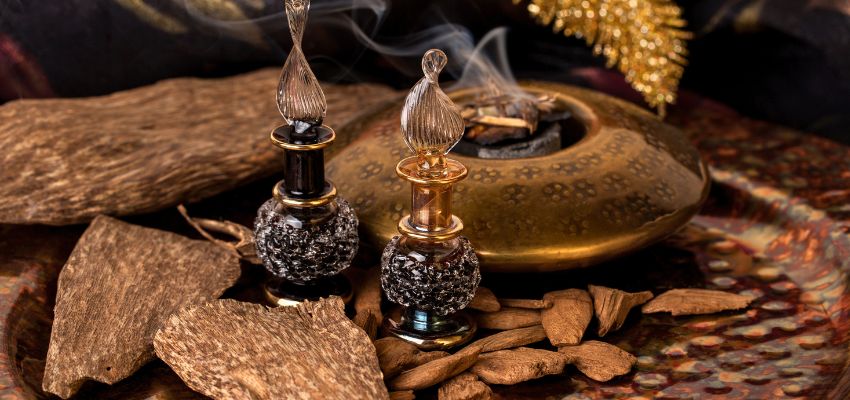
Agarwood (Aquilaria spp.)
Agarwood is the most expensive tree species in the world. This is due to its dark, aromatic resin. The resin forms when the tree naturally responds to a certain type of fungus. This resin is distilled into oud oil, one of the world’s most valuable perfume ingredients.
Agarwood is native to Southeast Asia. High-quality agarwood is extremely rare. Only a small percentage of trees naturally produce this resin. Premium pieces and oud oil can sell for thousands of dollars per kilogram. This makes agarwood more valuable than many precious metals by weight.
Common uses: Oud perfumes, incense, traditional ceremonies, and luxury collectibles.
African Blackwood (Dalbergia melanoxylon)
African Blackwood is considered the world’s most expensive commercial hardwood. This wood is remarkably dense. It also has a fine, uniform grain. These qualities make it the preferred material for professional woodwind instruments. This includes clarinets, oboes, and bagpipes.
Beyond musical instruments, this wood is used for luxury furniture, knife handles, and decorative inlays. It can be machined with exceptional precision, and it also remains dimensionally stable over time. This makes it ideal for applications where accuracy and durability are important. The species grows slowly and has been heavily harvested. As a result, responsibly sourced material is scarce and highly valued.
Common uses: Clarinets, oboes, bagpipes, luxury furniture, knife handles, decorative inlays, and precision woodworking.
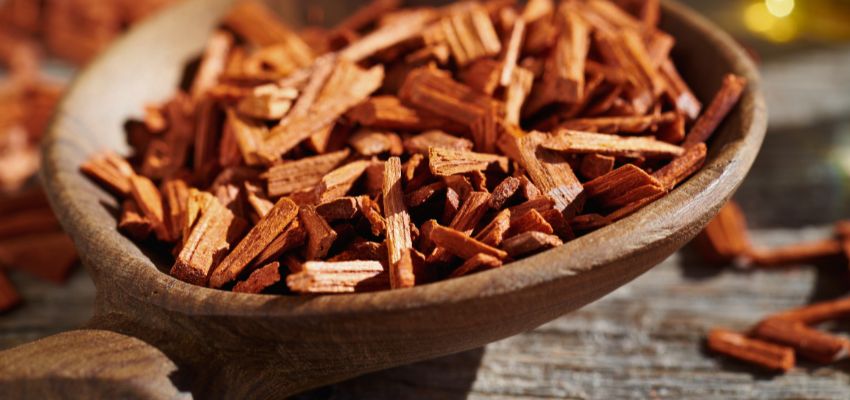
Indian Sandalwood (Santalum album)
Indian Sandalwood is prized for its aromatic heartwood and essential oils, not its lumber. For centuries, its distinctive scent has made it a staple in perfumes, incense, religious rites, and luxury skincare.
Sustainable plantations now help supply the global demand. However, mature trees are still highly valuable because the aromatic heartwood and essential oil develop slowly over many years.
Common uses: Essential oils, perfumes, incense, religious ceremonies, luxury skincare, and traditional carvings.
Pink Ivory (Phyllogeiton zeyheri)
Known for its striking natural pink color, Pink Ivory has long been associated with prestige and craftsmanship. According to historical accounts, the wood was once reserved for African royalty.
Because large logs are uncommon, Pink Ivory is rarely used for furniture. Instead, woodworkers use it for smaller luxury items such as pens, jewelry boxes, knife handles, and decorative turnings. Its vibrant natural color can take center stage in these applications.
Common uses: Pens, jewelry boxes, knife handles, decorative turnings, and other small luxury crafts.
Ebony (Diospyros spp.)
Ebony is famed for its naturally black heartwood. It’s exceptionally hard and has a smooth finish. For centuries, it has been used for fine furniture, piano components, chess sets, and decorative inlays.
Several ebony species are now protected due to overharvesting, making legally sourced wood increasingly scarce. Buyers should always verify that the ebony comes from a reputable supplier with proper documentation.
Common uses: Fine furniture, musical instruments, chess sets, decorative inlays, carvings, and piano components.
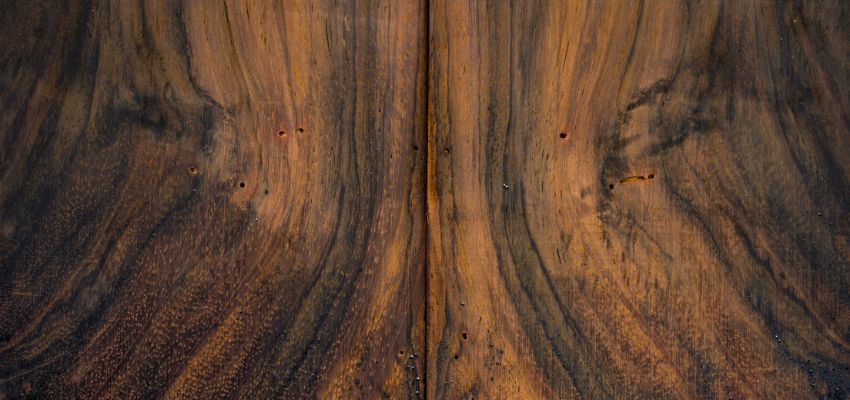
Brazilian Rosewood (Dalbergia nigra)
Brazilian Rosewood is one of the world’s most sought-after tonewoods. It’s prized for its rich color and striking grain. It also has exceptional acoustic qualities. These features make it a favorite for premium guitars and fine furniture.
Due to decades of overharvesting, the international trade of Brazilian Rosewood is heavily restricted. Today, most legally available material comes from reclaimed lumber or pre-existing stock, making authenticated pieces especially valuable.
Common uses: High-end guitars, fine furniture, veneers, and antique restoration.
Lignum Vitae (Guaiacum spp.)
Lignum Vitae is one of the densest hardwoods on Earth. Its natural oils help it resist wear and moisture. This made it ideal for marine bearings and heavy-duty industrial applications. These uses were common before modern synthetic materials were invented.
Although less common in furniture, collectors and specialty woodworkers value its durability and rarity. Since several species are protected, reclaimed wood is the preferred source.
Common uses: Marine bearings, industrial components, specialty woodworking, tool handles, and collectible woodcraft.
Bocote (Cordia spp.)
Bocote is prized for its bold, dark-streaked grain and warm golden-brown color. While it’s more readily available than some of the other species on this list, highly figured boards remain expensive because no two pieces look exactly alike. This individuality makes it especially appealing for custom woodworking and statement pieces.
Bocote has an eye-catching appearance. It’s a popular choice for luxury furniture and cabinetry. It’s also used for decorative veneers and custom woodworking projects.
Common uses: Luxury furniture, cabinetry, decorative veneers, turned objects, knife handles, and custom woodworking.
Amboyna Burl
Amboyna burl isn’t a tree species but a rare growth from the Narra tree (Pterocarpus indicus). Its swirling grain and intricate patterns make it one of the most desirable decorative woods available.
Large, high-quality burls are very rare. Because of this, woodworkers often slice them into veneers. These veneers are used for luxury items such as executive desks and interiors of yachts and high-end cars.
Common uses: Decorative veneers, luxury furniture, executive desks, yacht interiors, musical instruments, and high-end automotive trim.
Kingwood (Dalbergia cearensis)
Admired for its rich, purple-brown color and fine texture, Kingwood is exceptionally stable. Historically, it was used to craft ornate European furniture for royalty. Today, it remains a popular choice for fine woodworking.
Kingwood has a limited supply. It’s typically reserved for musical instruments, decorative boxes, inlay work, and custom furniture.
Common uses: Musical instruments, decorative boxes, inlay work, fine furniture, turnings, and luxury woodworking.
Which Is the Most Expensive Tree in the World?
There’s no single answer because different tree products are valued in different ways.
For natural products, Agarwood is considered the world’s most expensive tree. Its resin is used to produce oud oil, one of the most valuable ingredients in luxury perfumes.
For commercial timber, African Blackwood is often the most expensive. It’s an unmatched hardwood. Its density and stability make it perfect for musical instruments.
Other materials also command premium prices. Brazilian Rosewood and Amboyna Burl are two examples. They are valued for their rarity, beauty, and restricted supply.
Are These Expensive Tree Species Endangered?
Many of these valuable species are threatened. Illegal logging, habitat loss, and decades of overharvesting have taken a toll. As a result, international trade for several species is regulated under CITES.
Legal documentation is now an important consideration for buyers and sellers of exotic hardwood. In addition, sustainable forestry practices can help, and plantation-grown alternatives and reclaimed lumber also reduce demand for timber from vulnerable wild populations.
When buying exotic hardwood, choose responsibly sourced material. This supports conservation efforts. It also ensures you comply with regulations.
Can You Legally Buy Wood From These Trees?
Yes, but where you buy it matters just as much as what you buy.
Many rare hardwoods are available as:
- Reclaimed wood from old buildings or furniture.
- Plantation-grown species like Agarwood and Indian Sandalwood.
- Certified sustainably harvested lumber.
- Imported wood with the correct permits and documentation.
Before buying exotic hardwood, ask where it came from and request documentation showing it was legally sourced. A trustworthy supplier should provide this information.
Why Are Rare Woods So Valuable to Woodworkers and Collectors?
Rare woods have unique combinations of color, grain, durability, and workability. These traits are hard to find in more common species. This makes them highly desirable for heirloom furniture and custom millwork. They are also perfect for musical instruments and other fine crafts.
Their limited availability also adds to their appeal. Collectors own legally sourced rare hardwood for several reasons. It’s a way to preserve history and natural beauty. It also holds significant investment value.
That said, the most expensive wood isn’t necessarily the best choice for every project. For larger projects or those on a budget, domestic and reclaimed hardwoods are a great choice. These woods offer excellent durability and appearance. They are also more affordable and easier to find.
Frequently Asked Questions
What makes a tree species so valuable?
No single factor determines a tree’s value. Multiple factors contribute to its price. These include rarity, slow growth, distinctive appearance, wood quality, and high demand. The material is often sought after for fine furniture, musical instruments, luxury goods, or specialty woodworking.
Is Agarwood more valuable than African Blackwood?
Yes, in most cases. High-quality agarwood resin and oud oil are often worth significantly more. They are much more expensive than premium hardwood lumber.
Why is Brazilian Rosewood so expensive?
Brazilian Rosewood is favorably prized for its exceptional acoustic properties and beautiful grain. Strict trade restrictions have made legally sourced wood increasingly rare and valuable.
Are expensive tree species protected by law?
Yes. Many species are protected by law. CITES (the Convention on International Trade in Endangered Species of Wild Fauna and Flora) is one example. National conservation laws also regulate harvesting and trade.
Can homeowners legally buy exotic hardwood?
Yes. Homeowners can legally purchase exotic hardwood. They must buy from reputable suppliers. These suppliers should provide appropriate documentation. They should also offer reclaimed, plantation-grown, or certified sustainable wood.
What is considered the rarest wood in the world?
Agarwood is one of the rarest and most priceless woods due to its fragrant resin. Other exceptionally rare wood materials include Amboyna Burl and Brazilian Rosewood.
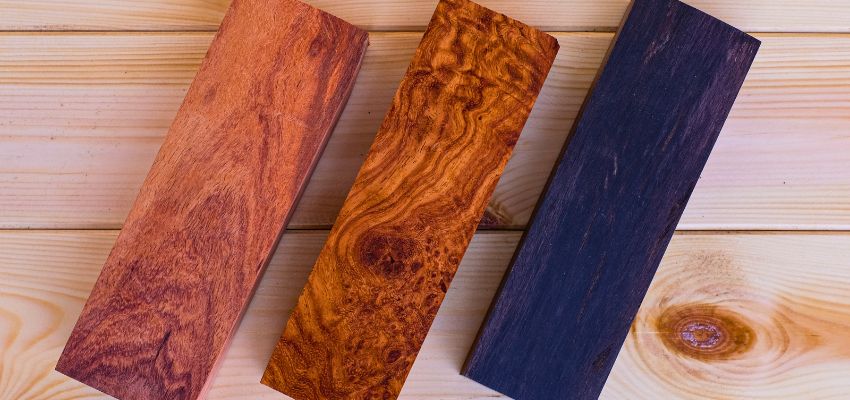
The Beauty, Rarity, and Value Behind the World’s Finest Woods
The world’s most valuable tree species aren’t prized simply because they’re rare. Their value comes from a unique combination of rarity, craftsmanship, and natural characteristics that few other materials can match. Whether you’re a collector, woodworker, or furniture maker, understanding what drives their value can help you make more informed purchasing decisions.
As demand for exotic hardwood continues, responsible sourcing plays an increasingly important role. Choosing legally harvested, reclaimed, or sustainably managed wood is crucial. It helps protect vulnerable forests. This ensures these remarkable materials remain available for future generations.
If you’re looking for premium reclaimed lumber or specialty hardwoods, Vintage & Specialty Wood can help you find materials that combine craftsmanship, character, and responsible sourcing. Explore our selection or contact our team to learn more about the right wood for your next project.
Hire The Timber Experts For Your Next Project
Vintage & Specialty Wood should be your source of the highest quality timbers from around the world. When it comes to fabricating and installing reclaimed wood or specialty wood products in your home, we don’t cut corners. We offer many reclaimed wood and specialty wood products such as Douglas Fir, white oak, and much more. We also offer timber framing and wood flooring services as well. Contact our team today to speak to a timber expert about what Vintage & Specialty Wood can do for you.

This Blog Is Fact Checked
This content has undergone meticulous fact-checking by our team of internal experts. Gain a deeper understanding of the high editorial standards we uphold on our website here.

About The Author
Experience, exploration, and knowledge are the hallmarks of writer Rei Bayucca. Her dedication to crafting articles that both inspire and educate will leave you thinking long after you’ve finished reading.