What Is MDF Wood? Pros, Cons, and Best Uses Explained
Published October 22, 2026
MDF wood is a popular choice for furniture, cabinetry, and interior trim because of its smooth surface and consistent appearance. But is it right for your project? Knowing its benefits, limitations, and differences from solid wood can help you choose the right material.
Medium-density fiberboard (MDF) is an engineered wood-based product. It works well for many indoor projects, especially those with a painted finish. However, it absorbs moisture easily, holds fasteners poorly, and dents or scratches easily. These limits can make it a poor choice for some projects. The best choice depends on your finish, environment, and performance requirements.
What Is MDF Wood?
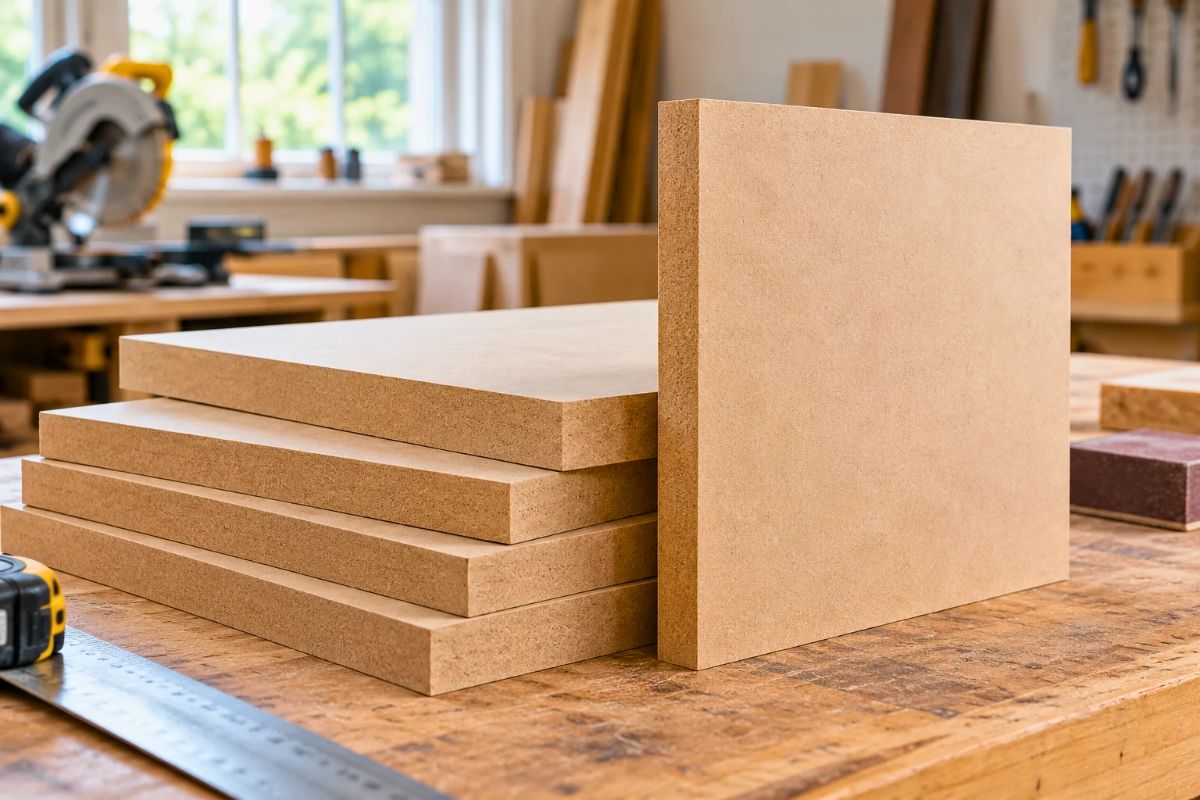
MDF is an engineered wood panel. It’s made by mixing fine wood fibers with resin and other additives. The mixture is then pressed under heat and pressure. Unlike solid wood, MDF has a uniform composition without natural grain or knots.
This uniform makeup makes MDF suitable for cabinet doors, furniture parts, baseboards, and decorative moldings. Performance depends on thickness, density, and grade. Check the manufacturer’s specifications for your use.
What Does MDF Stand for in Wood?
MDF stands for medium-density fiberboard. It’s made from compressed wood fibers. It does not use solid lumber or the larger wood particles found in particleboard.
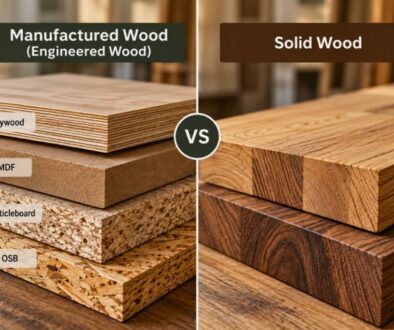
Although MDF, plywood, and particleboard are all engineered wood products, their construction differs. MDF uses fine fibers, plywood consists of bonded wood veneers, and particleboard uses wood particles. These differences affect surface finish, fastening performance, and suitability for particular projects.
How Is MDF Made?
Wood is broken down into fine fibers. These fibers are mixed with resin and other additives. Heat and pressure press the mixture into a dense panel. After pressing, the board is cooled, trimmed, and sanded. Its uniform composition provides a smooth surface suited to painted interior components.
What Are the Advantages of MDF Wood?
MDF offers practical benefits for interior projects, particularly when a smooth finish, consistent appearance, and manageable material costs are priorities.
Smooth Surface for Painting and Finishing
MDF has a smooth surface with no natural grain or knots. This makes it a good choice for painted cabinet doors, baseboards, and decorative trim. It can also be routed into decorative profiles and cut into matching components.
Because MDF edges are more porous than the panel face, they may absorb paint unevenly. Seal and prime cut edges before painting to achieve a consistent finish.
Affordable and Consistent Material
MDF is often cheaper than solid wood for similar interior components. Prices vary by grade, thickness, size, and supplier. Its consistent look also works well for projects that need matching parts, such as built-in cabinets and painted shelving.
When comparing costs, look beyond the panel price. Factor in finishing, edge preparation, hardware, reinforcement, and installation.
Easy to Cut and Shape for Interior Projects
MDF can be cut, routed, and shaped into decorative profiles for custom cabinetry, trim, and other interior features.
Cutting and sanding produce fine airborne dust. Use dust extraction at the source, follow the tool manufacturer’s safety instructions, and wear eye and respiratory protection. See OSHA’s guidance on wood dust controls for more information.
What Are the Disadvantages of MDF Wood?
MDF has limitations, particularly in environments exposed to moisture and applications requiring strong fastenings or resistance to impact.
Vulnerable to Moisture and Swelling
MDF absorbs moisture, which can cause swelling and damage its shape or surface. Significant swelling is difficult to reverse.
Standard MDF is best suited to dry indoor environments. Moisture-resistant grades tolerate certain damp conditions better but are not waterproof. Check the manufacturer’s specifications before using moisture-resistant MDF in humid areas. Avoid standard MDF where it will be wet repeatedly.
Limited Screw-Holding Strength and Load-Bearing Suitability
MDF can be used for many furniture and cabinetry components, but fastening methods matter. Screw-holding performance depends on the panel, fastener, and installation method. Screws driven into MDF edges can damage the board. The risk increases when fasteners are removed and reinstalled recurrently.
Follow the manufacturer’s fastening recommendations and use appropriate hardware. For shelving, consider the panel’s thickness, unsupported span, intended load, and support system. For projects that need more structural strength or sturdier connections, plywood or another material may be a better choice.
Heavy and Prone to Surface Damage
MDF can be heavy compared with some alternatives, making large sheets and assembled cabinets harder to handle. Plan safe lifting and adequate support during installation.
Its surfaces and edges can dent, chip, or scratch. Deep chips and swollen areas are difficult to repair smoothly. For furniture or areas exposed to frequent impact, consider whether a more durable material is suitable.
Requires Careful Cutting and Edge Preparation
Sand cut edges as needed, then apply a suitable sealer or primer before painting. Follow the coating manufacturer’s instructions for an even finish. Use dust extraction at the source and protective equipment when cutting or sanding MDF.
What Is MDF Wood Used For?
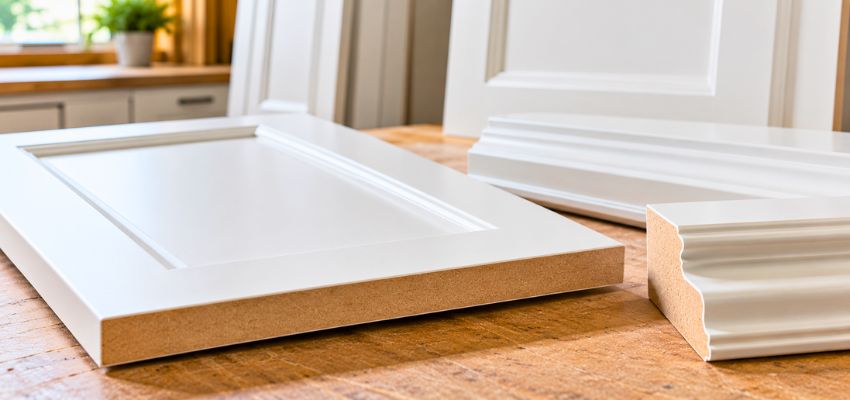
MDF is commonly used for interior projects that require a smooth surface and painted finish. Choose a grade suited to the installation environment and construction requirements.
Cabinets, Shelving, and Furniture
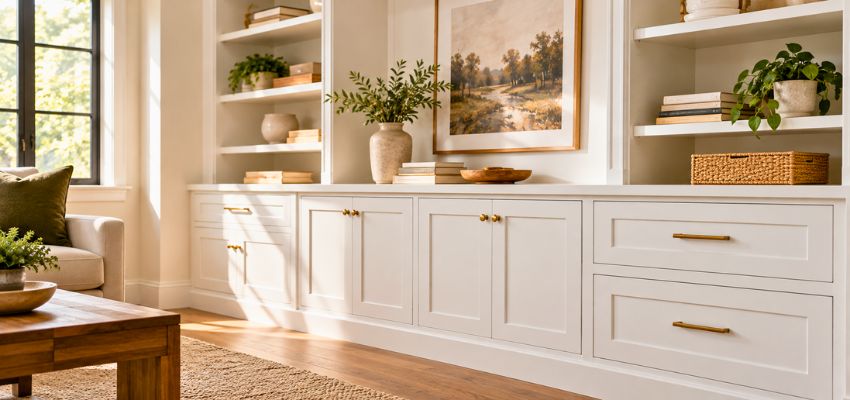
MDF is used for painted cabinet doors, drawer fronts, desks, bookcases, and built-in furniture. Its uniform surface helps produce a consistent finish across matching components.
For shelving, consider panel thickness, unsupported span, and expected load. Heavily loaded shelves may need extra support or another material. For cabinetry near sinks, check the product’s moisture rating and suitability for the exposure.
Interior Trim, Baseboards, and Decorative Moldings
MDF is commonly used for baseboards, door casings, crown molding, and other paint-grade trim. It can be machined into decorative profiles without the grain variations found in solid wood. For a consistent look throughout a room, use MDF trim where moisture exposure is controlled. Finish all exposed edges properly.
Wall Panels and Decorative Features
MDF is suitable for wainscoting, decorative wall panels, and built-in features. Its smooth surface takes paint well. It can also be machined into patterns that would take more labor to make from solid lumber. Before installation, assess wall condition, moisture exposure, and fastening requirements. Standard MDF is best suited to dry interior walls, not damp or exterior locations.
MDF vs. Solid Wood: Which Is Better?
MDF and solid wood suit different applications. The right choice will depend on your available budget, desired finish, environment, and performance requirements.
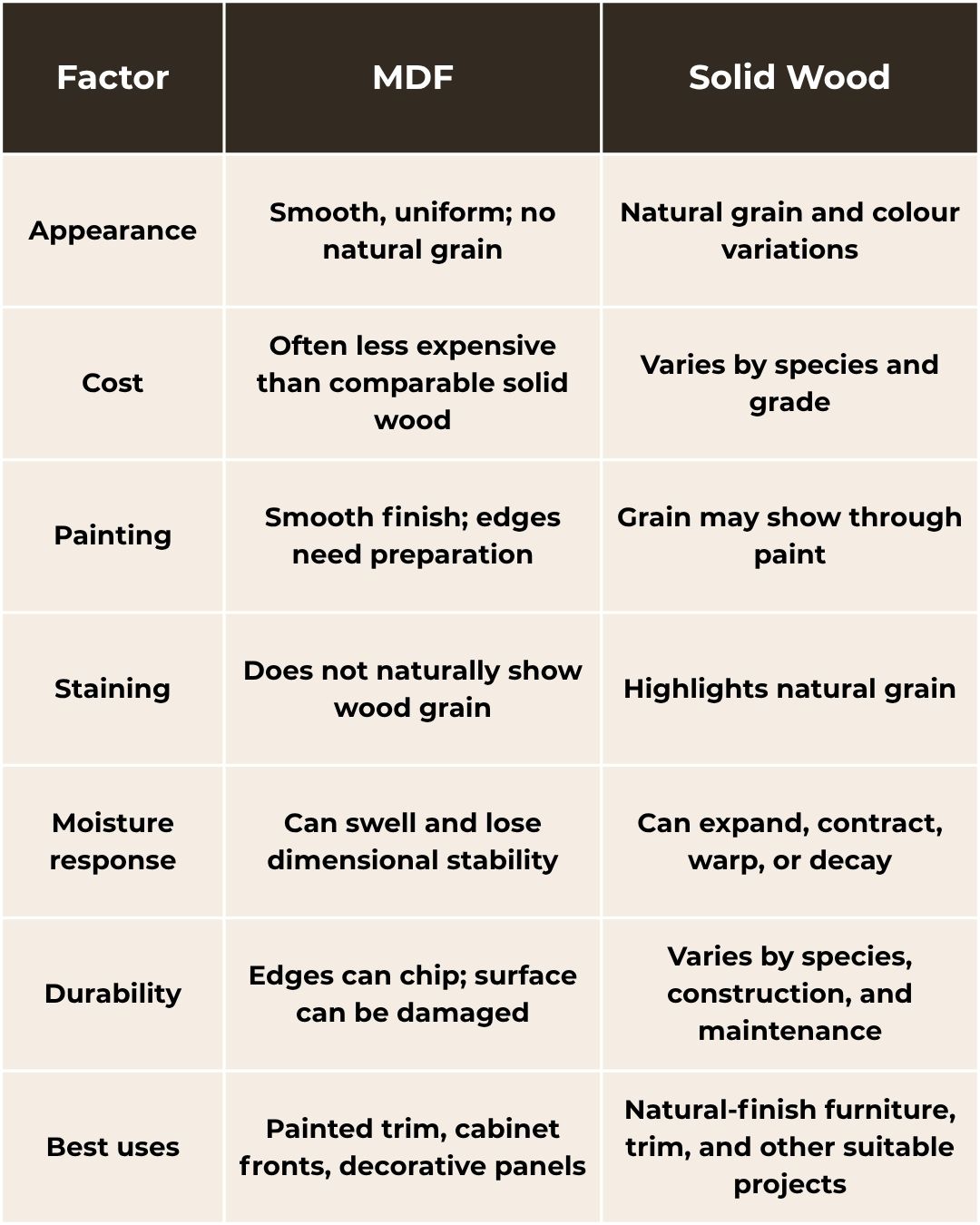
Choose MDF for smooth painted finishes and consistent components. Solid wood may be preferable when visible grain or the option to sand and refinish the surface is desired. For either material, consider durability, moisture exposure, and fastening requirements before deciding.
MDF vs. Plywood vs. Particleboard
MDF, plywood, and particleboard differ in construction and performance:
- MDF: Made from fine wood fibers bonded with resin. It suits painted surfaces, decorative profiles, and many interior furniture components.
- Plywood: Made by bonding thin wood veneers, typically with alternating grain directions. Depending on its grade and construction, it may hold screws better. It can also perform well in certain load-bearing uses.
- Particleboard: Made from wood particles bonded with resin. It’s common in budget-friendly furniture and cabinetry. It works best when covered with laminate or another decorative surface.
Choose according to the project’s requirements. MDF works well for paint-grade projects. Plywood is better when strength or secure fastening is needed. Particleboard is a budget-friendly choice. Check each product’s specifications for moisture resistance and intended use.
Frequently Asked Questions
Is MDF real wood?
MDF is made from wood fibers but is not solid wood. Manufacturers combine processed fibers with resin and press them into panels. Its uniform composition makes it useful when a natural wood grain is not required.
Is MDF stronger than plywood?
It depends on the property measured. Bending strength, screw holding, and load-bearing suitability are different factors. Plywood may offer advantages in certain structural and fastening applications, while MDF provides a uniform surface for finishing. Compare the specifications and intended uses of the actual products.
Can MDF get wet?
MDF can absorb water and swell, especially when edges are exposed. Standard MDF is best kept in dry indoor environments. Moisture-resistant grades handle damp conditions better but are not waterproof. Use them only within specified exposure limits.
Can you paint or stain MDF?
MDF is well suited to painting when properly prepared. Apply a suitable primer, especially to porous cut edges. Then follow the coating manufacturer’s instructions. Conventional wood stain generally doesn’t reproduce the natural grain appearance of solid wood on MDF. If you want a visible wood-grain finish, consider solid wood or a wood-veneered panel.
Does MDF contain formaldehyde?
Some MDF products use adhesives that can release formaldehyde. Emissions vary by product and adhesive formulation.
In the United States, the Environmental Protection Agency regulates formaldehyde emissions from MDF and certain other composite wood products under the Toxic Substances Control Act (TSCA) Title VI standards. When purchasing regulated products, check the applicable compliance labeling and supplier documentation. Compliance means the product meets the relevant emissions requirements, not that it has zero emissions. See the EPA’s formaldehyde emission standards for composite wood products.
Can MDF be used outdoors?
Standard MDF is generally unsuitable for outdoor exposure because moisture can cause swelling and deterioration. For outdoor projects, choose a material specifically designed and rated for exterior use. Don’t assume that moisture-resistant MDF is suitable for continuous outdoor exposure.
Is MDF Wood the Right Choice for Your Project?
MDF is a practical choice for painted cabinetry, interior trim, and decorative panels. For projects involving moisture, heavy loads, or a natural wood-grain finish, consider plywood, solid wood, or another material suited to those conditions.
Before choosing a panel, check its specifications against your project’s finish, environment, fastening needs, and structural requirements. Visit Vintage & Specialty Wood to explore material options for your next project.
Hire The Timber Experts For Your Next Project
Vintage & Specialty Wood should be your source of the highest quality timbers from around the world. When it comes to fabricating and installing reclaimed wood or specialty wood products in your home, we don’t cut corners. We offer many reclaimed wood and specialty wood products such as Douglas Fir, white oak, and much more. We also offer timber framing and wood flooring services as well. Contact our team today to speak to a timber expert about what Vintage & Specialty Wood can do for you.

This Blog Is Fact Checked
This content has undergone meticulous fact-checking by our team of internal experts. Gain a deeper understanding of the high editorial standards we uphold on our website here.

About The Author
Hi, I’m Corinne Grace, a nursing graduate from Riverside College who enjoys writing about woodworking. Read as I cover how to choose between hardwoods and softwoods, how stains and finishes perform on different species, and so much more. My goal is to give woodworkers clear, well-researched guides they can use for their next project.