Pros and Cons of Rubberwood for Furniture Explained
Published August 6, 2026
Choosing the right wood for furniture involves more than comparing prices. Wood species differ in durability, appearance, maintenance, and long-term value. Knowing these differences before you buy is essential. If you’re researching the pros and cons of rubberwood for furniture, you probably want to know how durable it is for everyday use. You may also be wondering how it compares to more traditional options like oak, maple, or mango wood.
Understanding how rubberwood performs in real-world applications can help you make a more informed decision. From its durability and sustainability to its appearance, lifespan, maintenance needs, and comparisons with other popular furniture woods, knowing what to expect makes it easier to determine whether rubberwood is the right choice for your home, budget, and lifestyle.
What Is Rubberwood?
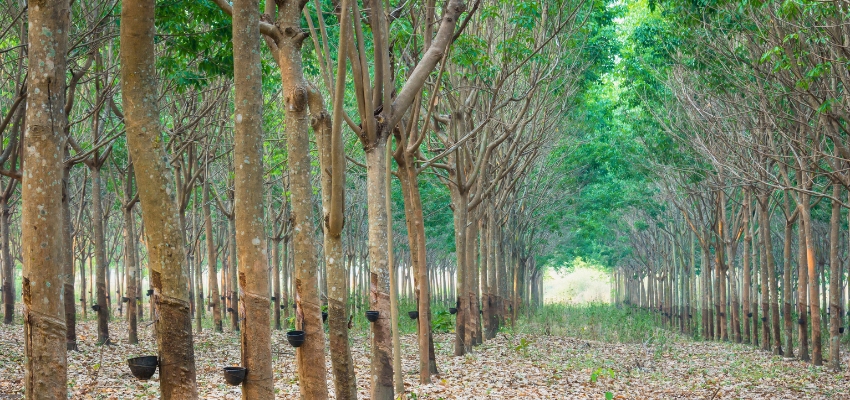
Rubberwood, sometimes called parawood, comes from the Pará rubber tree (Hevea brasiliensis). For roughly the first 25 to 30 years of its life, the tree is tapped for latex production. Once latex yields decline, the tree is harvested and repurposed into lumber instead of being discarded. Because the wood is used after the tree’s primary commercial purpose has ended, rubberwood is widely regarded as an eco-friendly hardwood rather than one harvested solely for furniture production.
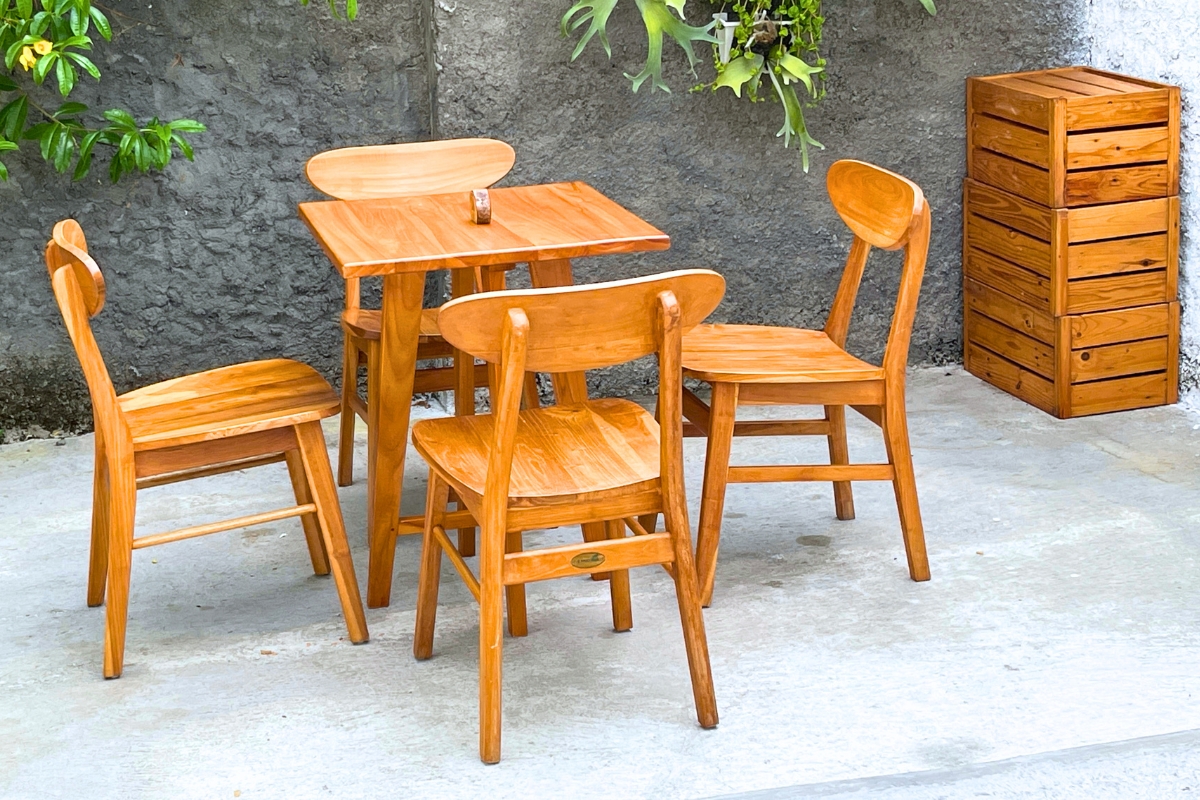
Rubberwood is a medium-density hardwood with a fine, straight grain and a light golden-honey color that deepens over time. Its uniform appearance, ease of use, and steady supply make it popular for furniture, cabinetry, flooring, and children’s toys.
Advantages (Pros) of Rubberwood
Affordable yet Durable
As a byproduct of latex farming, rubberwood generally costs less than hardwoods like oak, maple, or walnut, while still offering the strength of solid wood. It’s a practical choice for those seeking durable furniture at a lower price.
Genuinely Sustainable
Rubberwood is harvested after its latex-producing years, repurposing the tree for furniture instead of disposal. This makes it appealing to environmentally conscious buyers and offers sustainability benefits similar to reclaimed or repurposed wood.
Durable for Everyday Use
With a medium Janka hardness rating, rubberwood withstands normal household wear and resists dents better than softwoods like pine. It’s suitable for dining chairs, cabinets, and shelving, though it’s not as hard as oak or hickory.
Accepts Stain and Paint Well
Its fine, even grain allows for consistent finishes, making it easy to stain, paint, or distress. Rubberwood often produces a more uniform finish than species prone to uneven stain absorption.
Lightweight and Easy to Handle
Rubberwood is lighter than many hardwoods, making furniture easier to transport, assemble, and move. This quality also supports its popularity in ready-to-assemble products.
Non-Toxic and Low-Odor
Rubberwood does not present the off-gassing issues found in some engineered or heavily treated woods. When properly finished, it’s suitable for children’s furniture and toys.
Disadvantages (Cons) of Rubberwood
Vulnerable to Moisture
Rubberwood is more prone to warping, swelling, and water staining than denser hardwoods if moisture penetrates the finish. It’s best suited for indoor use unless properly sealed with a moisture-resistant finish.
Softer than Premium Hardwoods
While suitable for regular use, rubberwood is more likely to dent or scratch than harder woods like oak, maple, or walnut. This is especially noticeable on heavily used furniture in active households.
Prone to Insect and Fungal Issues If Untreated
Rubberwood’s natural sugars and starches attract insects and fungi unless it is kiln-dried and properly treated. Confirm that the manufacturer uses appropriate treatment before purchasing.
Finish Quality Is Critical
Rubberwood’s durability relies on proper finishing. A high-quality sealant protects against moisture, stains, and wear, while poor finishing reduces lifespan. Craftsmanship is as important as the wood itself.
Is Rubberwood Durable?
Rubberwood falls into the medium-density hardwood category and is often compared with birch in overall hardness. Its Janka hardness rating of roughly 980 to 1,000 lbf places it above softwoods like pine but below harder species such as oak, maple, and hickory.
Rubberwood handles everyday use well. It resists bumps and scuffs better than many budget alternatives. This makes it a dependable choice for dining furniture, bookshelves, desks, and bedroom pieces. That said, it’s not ideal for surfaces that take heavy, long-term abuse.
With normal indoor use and proper care, well-finished rubberwood furniture can last a decade or more. Its lifespan is much shorter outdoors or in humid environments unless specially treated, as it does not naturally resist weather like teak or cedar.
Is Rubberwood Sustainable?
Sustainability is a key advantage of rubberwood. Manufacturers use trees that have completed their latex-producing life, reducing waste and maximizing the use of existing agricultural resources.
Using rubberwood offers several environmental benefits:
- No additional forest is cleared specifically for furniture-grade timber.
- Trees that would otherwise be discarded are given a second life as lumber.
- Plantations are typically managed on a renewable cycle, with new rubber trees planted as older ones are removed.
Some manufacturers source rubberwood from certified plantations. If sustainability is important to you, check for certification or ask about the manufacturer’s sourcing practices.
Appearance and Grain
Rubberwood features a light honey-blonde color and a fine, straight grain that create a clean, uniform appearance. Its understated look complements a wide range of furniture styles.
Over time, rubberwood develops a richer tone with exposure to light. Its subtle grain makes it ideal for stained or painted finishes, fitting styles from farmhouse to mid-century modern.
Common Uses
Rubberwood is used in a variety of household furniture and wood products, including:
- Dining tables and chairs
- Bed frames and headboards
- Cabinets and dressers
- Bookshelves and open shelving
- Children’s furniture and wooden toys, thanks to its low-toxicity profile
- Home office desks and storage furniture
Its value, workability, and durability make rubberwood especially popular for daily-use indoor furniture.
Rubberwood vs. Other Popular Furniture Woods
- Rubberwood vs. Oak: Oak is harder, more moisture-resistant, and longer-lasting in high-traffic areas, but is more expensive. Rubberwood is a more affordable alternative that still offers solid hardwood benefits.
- Rubberwood vs. Pine: Pine is often less expensive, but rubberwood is denser and more resistant to dents and wear. For buyers looking at budget-friendly furniture, rubberwood is typically the sturdier choice.
- Rubberwood vs. Acacia: Acacia has a more distinctive grain and better natural moisture resistance. Rubberwood is generally more affordable and offers a cleaner, more uniform look.
- Rubberwood vs. Mango Wood: Both are sustainable, as they come from trees used for other purposes. Mango wood has more dramatic grain variation, while rubberwood provides a smoother, more uniform appearance suitable for various styles.
- Rubberwood vs. Maple: Maple is much harder and better for heavy-use furniture, but is more expensive. Rubberwood offers a similar light color at a lower cost, appealing to budget-conscious buyers.
How Long Does Rubberwood Furniture Last?
With proper care, indoor rubberwood furniture can last 10 to 20 years or more. Its lifespan depends on several factors:
- Finish quality: A well-sealed surface offers much better protection against moisture, stains, and everyday wear.
- Indoor conditions: Stable temperature and humidity help reduce the risk of warping or cracking over time.
- Usage: Decorative furniture generally experiences less wear than frequently used dining tables or desks.
- Maintenance: Regular cleaning and occasional refinishing help preserve the wood’s appearance and protective finish.
How to Care for Rubberwood Furniture
Proper maintenance significantly extends the life of rubberwood furniture.
- Clean gently: Use a soft, slightly damp cloth and avoid abrasive cleaners or harsh chemicals that may damage the finish.
- Protect against moisture: Use coasters, placemats, and trivets, and promptly wipe up spills to prevent moisture from penetrating the finish.
- Manage heat and sunlight: Keep furniture away from direct sunlight, radiators, and heating vents to minimize fading, drying, or cracking.
- Prevent scratches: Utilize felt pads under decorative items and avoid dragging heavy objects across surfaces.
- Refinish when needed: If the finish wears, lightly sand and apply a fresh coat of sealant to restore appearance and durability.
Is Rubberwood Furniture Worth Buying?
For many households, rubberwood is a strong choice. It balances affordability, sustainability, and durability, offering value that is hard to match at its price point.
Rubberwood is an especially good choice for:
- Budget-conscious buyers who want solid wood furniture without the premium cost of hardwoods like oak or maple
- Families furnishing children’s bedrooms or playrooms, where durable, low-toxicity materials are often a priority
- Sustainability-minded shoppers looking for furniture made from responsibly used natural resources
However, rubberwood is not ideal for all situations. For furniture exposed to frequent moisture, harsh weather, or requiring maximum resistance to dents and scratches, consider harder or weather-resistant woods like oak, maple, teak, or cedar.
Buying Tips Before Choosing Rubberwood Furniture
Rubberwood furniture varies in quality. Before purchasing, consider the following factors:
- Check the finish. Ask about the type of sealant or protective coating, especially if the furniture may encounter moisture.
- Confirm solid wood versus engineered construction. Some pieces use rubberwood veneer over particleboard or MDF, while solid rubberwood offers better durability and can usually be refinished.
- Inspect the joinery. Quality furniture uses sturdy joints like mortise-and-tenon or dowel construction, rather than relying mainly on glue or staples.
- Consider the intended location. Rubberwood performs best in dry indoor environments and is less suitable for humid rooms unless specifically treated.
- Check weight capacity. This is particularly important for shelving, dining chairs, and furniture that must support heavier loads.
- Research the manufacturer. Reputable companies are more likely to use proper kiln-drying and treatment processes, which are important for long-term durability.
Frequently Asked Questions
Is rubberwood real hardwood?
Yes. Despite its name, rubberwood is a genuine hardwood harvested from the Pará rubber tree.
Is rubberwood good quality furniture?
Yes, when it’s well made and properly finished. Rubberwood is considered a reliable mid-range hardwood that offers good durability for everyday furniture, although it isn’t as hard or wear-resistant as premium species like oak or maple.
Does rubberwood scratch easily?
Rubberwood is more susceptible to scratches and dents than harder hardwoods such as oak or maple. However, it generally withstands everyday wear better than softwoods like pine.
Can rubberwood furniture get wet?
Occasional contact with moisture is usually not a problem if the furniture has been properly sealed, but standing water or prolonged damp conditions can damage the wood. Rubberwood is best suited to indoor use and is not recommended for outdoor furniture.
Can rubberwood be refinished?
Yes. Solid rubberwood can generally be sanded and refinished to restore its appearance. However, there must be enough material above the joinery or veneer layer to do so. Always confirm whether a piece is made from solid rubberwood or veneer before refinishing.
How long does rubberwood furniture last?
With proper care and normal indoor use, quality rubberwood furniture can last 10 to 20 years or more.
Is rubberwood environmentally friendly?
Yes. Rubberwood is widely considered an environmentally responsible choice. It comes from trees that have already been used for latex production. Rather than going to waste, the wood is given a second life.
Is Rubberwood the Right Choice for Your Furniture?
After weighing the pros and cons of rubberwood for furniture, it’s clear that rubberwood provides a practical balance of value, sustainability, and durability. While it isn’t as hard or moisture-resistant as premium hardwoods, it performs well when well made and properly maintained. For dining rooms, bedrooms, and home offices, it offers the benefits of solid hardwood at a lower cost.
If you’re comparing rubberwood with other furniture woods, Vintage & Specialty Wood provides expert resources to help you make informed decisions. Their guides explain key differences among reclaimed lumber, hardwoods, and sustainable materials, supporting your selection for any project or home.
Hire The Timber Experts For Your Next Project
Vintage & Specialty Wood should be your source of the highest quality timbers from around the world. When it comes to fabricating and installing reclaimed wood or specialty wood products in your home, we don’t cut corners. We offer many reclaimed wood and specialty wood products such as Douglas Fir, white oak, and much more. We also offer timber framing and wood flooring services as well. Contact our team today to speak to a timber expert about what Vintage & Specialty Wood can do for you.

This Blog Is Fact Checked
This content has undergone meticulous fact-checking by our team of internal experts. Gain a deeper understanding of the high editorial standards we uphold on our website here.

About The Author
Experience, exploration, and knowledge are the hallmarks of writer Rei Bayucca. Her dedication to crafting articles that both inspire and educate will leave you thinking long after you’ve finished reading.