Best Wood for Desktops: 17 Options Compared
Published October 14, 2026
The best wood for a desktop depends on your workspace, preferred appearance, and budget. Oak and hard maple are practical options for everyday desks, while walnut, cherry, and Sapele offer distinctive colors and grain. Pine suits rustic designs, and engineered bamboo panels provide another option.
Compare hardness, dimensional stability, weight, finish, and support needs before choosing a desktop material.
How to Choose the Best Wood for a Desktop
Consider these factors before purchasing lumber or a wood slab:
- Hardness: Harder woods resist indentation better, but hardness alone does not determine resistance to scratches or stains.
- Dimensional stability: Solid wood expands and contracts as moisture content changes. Proper drying and installation help manage this movement.
- Appearance: Compare color, grain, knots, and how the wood may change over time.
- Weight and support: Dense hardwoods can make large desktops heavy. Ensure the desk frame and mounting hardware support the finished surface.
- Finish and maintenance: Choose a finish suited to the wood and intended use, considering protection, appearance, and upkeep.
- Budget and availability: Cost varies by species, grade, size, and sourcing. Specialty and imported woods may be more expensive or harder to obtain.
Best Woods for Desktops: 17 Options Compared
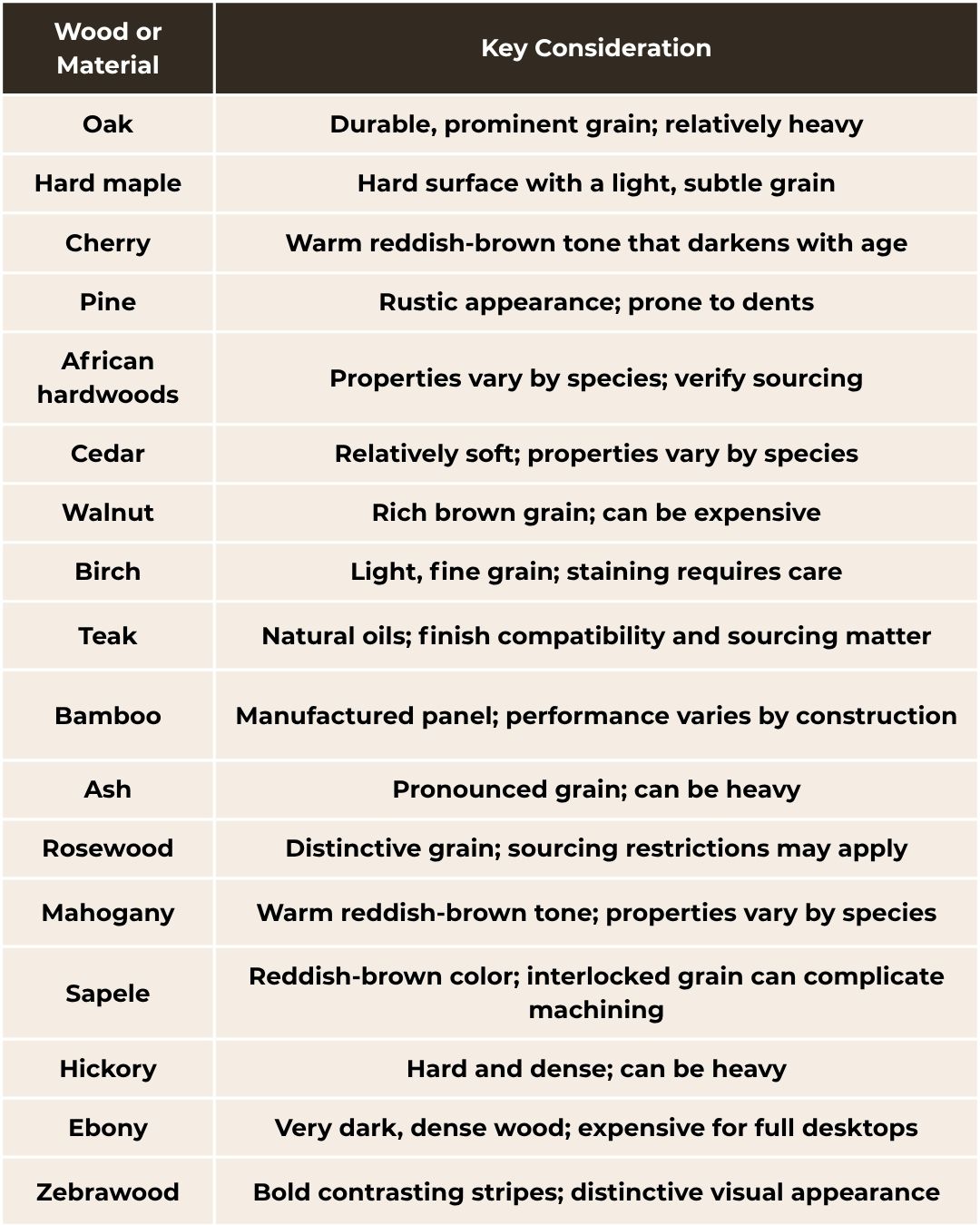
These are general comparisons, not performance guarantees. The list includes individual wood species, the broader category of African hardwoods, and bamboo, a grass commonly used in manufactured desktop panels. Properties vary by species, material quality, construction, and finish. For the most accurate comparison, confirm the exact species and product construction before purchasing.
1. Oak
Oak combines prominent grain with a traditional furniture appearance. White oak has a warmer, more muted look, while red oak often has a pinker cast. Hardness and performance vary by species and grade, but oak is a common choice for furniture and everyday work surfaces.
Best for: Everyday desks and traditional workspaces.
Consider: Oak can be heavy. Its tannins may react with iron materials under certain conditions, causing dark staining. Check hardware and finish compatibility before assembly and finishing. For more information, see the US Forest Service’s Iron Stain on Wood publication.
2. Maple
Maple has a light color and relatively subtle grain. Hard maple is a useful option when resistance to everyday indentation matters.
Best for: Modern desks where a light appearance and a harder work surface are priorities.
Consider: Maple can be difficult to stain evenly. Confirm the species as hardness and other properties vary.
3. Cherry
American black cherry has a smooth grain and warm reddish-brown color that deepens with age and light exposure. Its workability makes it suitable for furniture with a natural finish.
Best for: Classic desks and home offices with warm wood tones.
Consider: American black cherry is generally less resistant to indentation than hard maple and may show dents more readily under heavy use. The Wood Database lists approximate Janka hardness ratings of 950 lbf for black cherry and 1,450 lbf for hard maple. The Janka test measures resistance to indentation, not overall scratch or stain resistance. See The Wood Database’s maple hardness reference for additional context.
4. Pine
Pine is a softwood with a light color, visible knots, and natural grain. Its character suits rustic interiors and DIY furniture.
Best for: Farmhouse desks, casual workspaces, and budget-conscious projects.
Consider: Pine is more susceptible to dents than harder furniture woods. Inspect boards for defects and use a suitable finish to protect the surface.
5. African Hardwoods
African hardwoods include multiple species with different colors, grain patterns, densities, and working properties. Sapele, for example, is valued for its distinctive grain.
Best for: Desktops where specialty grain and rich color are priorities.
Consider: These woods aren’t interchangeable. Confirm species, weight, workability, cost, and sourcing before choosing a material.
6. Cedar
Cedar is known for its aromatic character, although its properties vary by species. Some cedars offer resistance to certain forms of decay and insect attack.
Best for: Decorative projects where the selected species suits the intended conditions.
Consider: Cedar is softer than many furniture hardwoods and may dent easily. Natural durability doesn’t make it suitable for an exposed outdoor desktop. Verify the species before making durability claims. The USDA Forest Products Laboratory’s Wood Handbook provides more information on wood durability and properties.
7. Walnut
Black walnut is valued for its rich brown color and attractive grain. It can make a desktop a focal point in a home office or executive workspace.
Best for: Premium desks and furniture featuring natural dark wood.
Consider: Walnut may cost more than common domestic species, and color varies between boards. Inspect material before purchasing.
8. Birch
Birch has a light color and generally fine grain. It’s available as solid lumber and in manufactured products such as plywood.
Best for: Versatile desks with a light, understated appearance.
Consider: Solid birch, veneer, and plywood have different construction characteristics. Careful preparation is important when staining birch.
9. Teak
Teak is valued for its natural oils and its performance in applications where moisture resistance matters. Its golden-brown appearance makes it attractive for specialty furniture.
Best for: Desks where teak’s appearance, cost, and material properties suit the project.
Consider: Natural oils can affect preparation for some finishes, though teak can generally be finished successfully with appropriate methods. Teak can be expensive, so consider cost and responsible sourcing. Its natural properties don’t make a finished desktop waterproof. See The Wood Database’s teak reference for more information on its properties and workability.
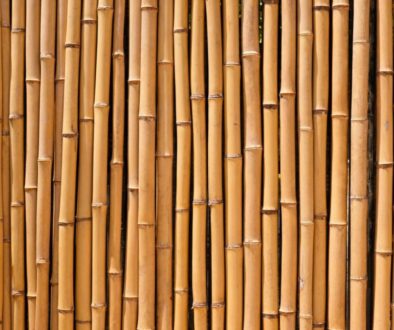
10. Bamboo
Bamboo is technically a grass rather than a wood, but it is commonly used for desktop panels. Many products are manufactured from laminated strips or engineered components.
Best for: Modern workspaces using manufactured bamboo panels.
Consider: Performance depends on construction, adhesives, thickness, and finish. Check product specifications before choosing a panel.
11. Ash
Ash is a hardwood with a light color and pronounced grain. Its appearance and workability make it suitable for various furniture designs.
Best for: Everyday desks with a light, grain-forward appearance.
Consider: Ash can be heavy in larger dimensions. Account for the desktop span and support requirements when planning a build.
12. Rosewood
Rosewood is a common name used for multiple species prized for rich colors and distinctive grain, ranging from reddish-brown to deeper brown and purple-toned shades.
Best for: Specialty desktops and decorative furniture.
Consider: Properties, availability, and prices vary. Verify species, origin, and sourcing documentation before purchasing. Some rosewood species are subject to CITES controls, and requirements depend on the species and regulations. Check current official guidance before importing or exporting regulated timber.
13. Mahogany
Mahogany is associated with a warm reddish-brown color and generally straight grain. The name covers different species with varying characteristics.
Best for: Traditional desks and furniture with warm, understated grain.
Consider: Confirm species, origin, and sourcing documentation. Do not assume all woods sold as mahogany have identical properties.
14. Sapele
Sapele is an African hardwood used in furniture and interior joinery. Its reddish-brown color and sometimes ribbon-like grain create a distinctive appearance.
Best for: Decorative desktops with rich color and patterned grain.
Consider: Sapele’s interlocked grain can make machining more demanding. It’s a specific species within African hardwoods.
15. Hickory
Hickory is a hard, dense hardwood with pronounced color variation. Its hardness makes it worth considering for desktops that receive frequent use.
Best for: High-use work surfaces where dent resistance and distinctive grain matter.
Consider: Hickory can be heavy and challenging to machine. Account for its weight and grain variation when planning a large desktop. When comparing hardness with other species, verify the relevant Janka data.
16. Ebony
Ebony is prized for its very dark color, density, and fine texture. Its appearance makes it attractive for luxury furniture and decorative accents.
Best for: Specialty designs where very dark wood is central to the aesthetic.
Consider: Cost and availability can make ebony impractical for a full desktop. Verify species and sourcing documentation, and compare it with more accessible dark woods like walnut.
17. Zebrawood
Zebrawood features contrasting light and dark stripes that make a desktop visually striking. Its bold grain can become the focal point of a workspace.
Best for: Statement desks and decorative furniture.
Consider: Stripe patterns vary between boards. Evaluate grain, weight, workability, and cost before selecting a slab.
Solid Wood Slabs vs. Engineered Desktop Panels
Desktop construction affects appearance, stability, and installation.
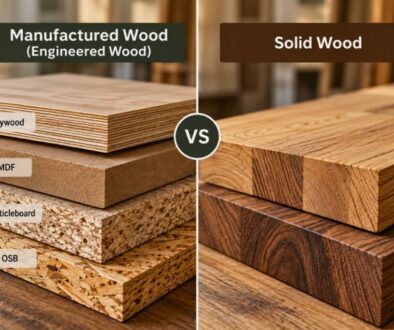
Solid wood slabs showcase natural grain and may feature live edges. Wide slabs require careful attention to drying, seasonal movement, defects, and support.
Edge-glued panels join narrower boards to create a wider surface. They’re a practical alternative to a single wide slab, though grain and color may vary across the desktop.
Engineered panels, including many bamboo desktops, are manufactured using specific materials and processes. Their performance depends on construction, adhesives, and finish.
The right option depends on desired appearance, dimensions, budget, installation method, and maintenance requirements.
What to Consider When Buying Custom Wood Slabs for Desktops
Before purchasing a custom wood slab, assess these factors:
- Species and grain: Confirm the species and inspect its color, knots, and natural variation.
- Moisture content: Ensure the wood is dried for its intended indoor environment to reduce warping, cupping, or shrinkage.
- Dimensions: Confirm usable length, width, and thickness rather than relying on maximum measurements.
- Condition: Check for cracks, splits, warping, and defects that affect the finished surface.
- Support and mounting: Ensure the desk frame can carry the slab’s weight and the mounting system accommodates natural wood movement.
- Finish: Determine whether the slab is finished or unfinished and what preparation it requires.
- Sourcing: Verify the species and sourcing documentation, particularly for specialty or imported woods.
A slab should suit both your design preferences and the practical demands of your workspace.
Finishing and Maintaining a Wooden Desktop
A suitable finish influences a desktop’s appearance, surface protection, and maintenance requirements. Film-forming finishes create a surface layer, while penetrating finishes emphasize the grain and may require periodic maintenance.
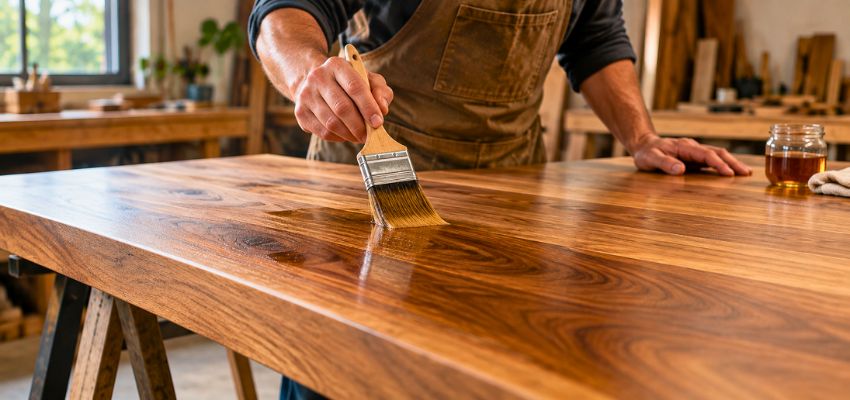
Follow the manufacturer’s instructions for preparation, application, curing, and cleaning. To maintain your desktop:
- Wipe up spills promptly.
- Use coasters or protective mats when appropriate.
- Limit prolonged exposure to direct sunlight and excessive heat.
- Clean the surface with products compatible with its finish.
- Check periodically for wear, loose hardware, and moisture-related movement.
No finish makes wood completely immune to scratches, heat, standing water, or humidity changes. Proper care preserves its appearance.
Frequently Asked Questions
What is the hardest wood for desktops?
Ipe is a hard, dense wood with a high Janka hardness rating. However, it’s difficult to machine and finish, making it less practical for a desktop than more common furniture woods. Hard maple and hickory are alternatives worth comparing when dent resistance matters. Consider weight, cost, workability, and dimensional stability alongside hardness when choosing a desktop material.
How thick should a wood desktop be?
Suitable thickness depends on the desktop’s dimensions, material, support spacing, and expected load. A thicker desktop may improve stiffness in some designs, but thickness alone doesn’t guarantee stability. Consider the desk frame, mounting method, and construction together.
What is the best wood for a computer desk?
Hard maple and oak are worth considering when dent resistance is a priority. Walnut and cherry offer alternatives when color and grain matter more. Choose based on your equipment, budget, preferred appearance, and maintenance expectations.
Is solid wood better than an engineered desktop panel?
Neither is always better. Solid wood offers natural grain continuity, while engineered panels may offer advantages in construction, dimensions, or cost. Compare material quality, finish, and support before deciding.
What finish is best for a wooden desktop?
The right finish depends on species, desired appearance, and intended use. Consider surface protection, maintenance, and repairability, and follow the finish manufacturer’s instructions.
What should you look for in a custom wood slab for a desktop?
Check species, moisture condition, usable dimensions, flatness, grain, defects, and finish requirements. Confirm the desk frame can support the slab and the mounting method accommodates natural wood movement.
Choosing the Right Desktop Material
The best desktop material balances durability, appearance, and construction requirements. Oak and hard maple are practical options for everyday workspaces, while walnut, cherry, and Sapele offer distinctive grain and color. Pine suits rustic designs, and engineered bamboo panels provide another option. Consider the desktop’s dimensions, support, and finish before choosing.
Vintage & Specialty Wood offers reclaimed and specialty wood products for woodworking and interior projects, including Douglas Fir and white oak. Explore the available timber options to find materials suited to your project, or contact the team to learn more about its selection.
Hire The Timber Experts For Your Next Project
Vintage & Specialty Wood should be your source of the highest quality timbers from around the world. When it comes to fabricating and installing reclaimed wood or specialty wood products in your home, we don’t cut corners. We offer many reclaimed wood and specialty wood products such as Douglas Fir, white oak, and much more. We also offer timber framing and wood flooring services as well. Contact our team today to speak to a timber expert about what Vintage & Specialty Wood can do for you.

This Blog Is Fact Checked
This content has undergone meticulous fact-checking by our team of internal experts. Gain a deeper understanding of the high editorial standards we uphold on our website here.

About The Author
Hi, I’m Corinne Grace, a nursing graduate from Riverside College who enjoys writing about woodworking. Read as I cover how to choose between hardwoods and softwoods, how stains and finishes perform on different species, and so much more. My goal is to give woodworkers clear, well-researched guides they can use for their next project.