Timber Cladding: Pros, Cons, Costs, And Maintenance Tips
Published April 7, 2026
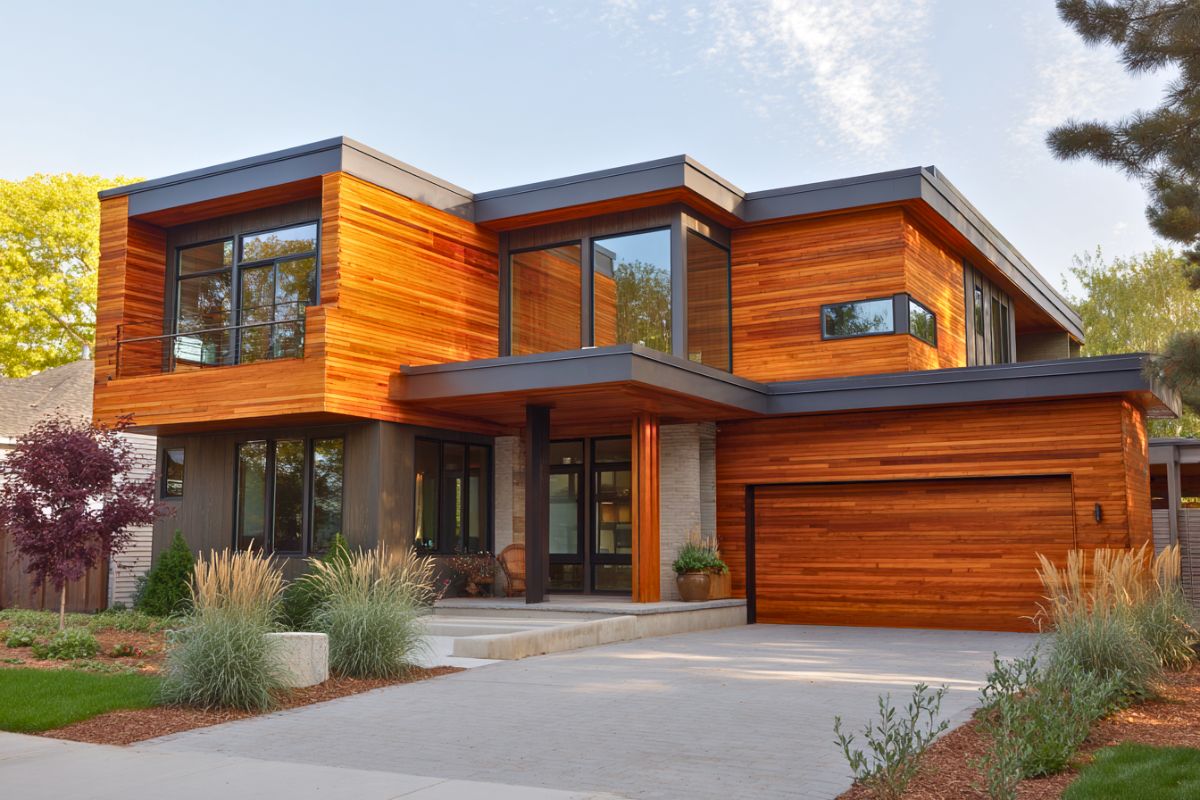
The exterior of your building shapes first impressions. Choosing a material that blends beauty and practicality is challenging, as modern options often seem sterile. Many also fail to withstand harsh weather, causing higher maintenance costs. Timber cladding is durable, energy-efficient, protects your walls, and adds warm, natural character. No synthetic material matches its look. Timber cladding reliably boosts property value and improves insulation.
In this article, we break down everything you need to know about timber cladding. We’ll cover its pros, cons, costs, and maintenance tips. You’ll also learn how to choose the right wood species. We’ll help you understand the installation process and compare timber with other exterior options. Let’s dive in to help you make the best choice for your build or renovation.
What Is Timber Cladding And How Does It Work?
Timber cladding consists of wooden boards fixed to a building’s frame to create an exterior covering. Its protective qualities shield your building from rain, wind, and sun. At the same time, it enhances the structure’s visual appeal.
Timber cladding does more than look good. Designed for more than just aesthetics, it lets the building “breathe.” With proper installation, it creates a barrier that stops moisture from entering the structural walls but also allows any trapped moisture to escape. This ventilation reduces dampness and helps extend the building’s lifespan.
Common Types Of Timber Used For Cladding
Different woods offer unique benefits. Softwoods like Western Red Cedar and Redwood are popular for their resistance to decay and insects. Douglas Fir is valued for its strength, but it needs treatment for outdoor use. Hardwoods deliver durability and a longer lifespan, but usually cost more and require expert installation.
Profiles And Installation Styles
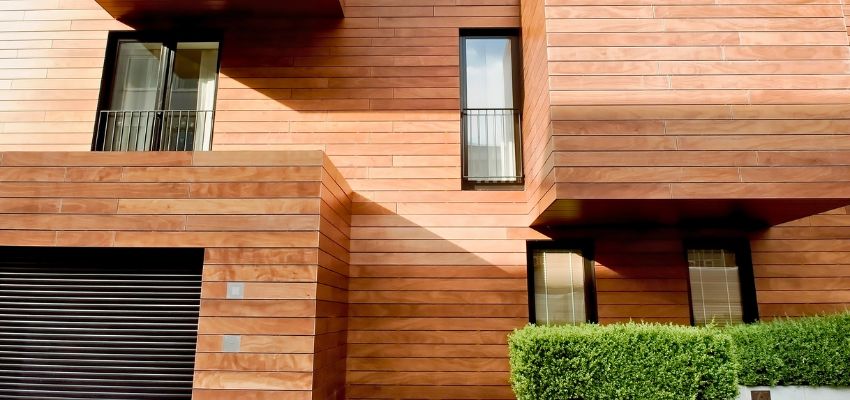
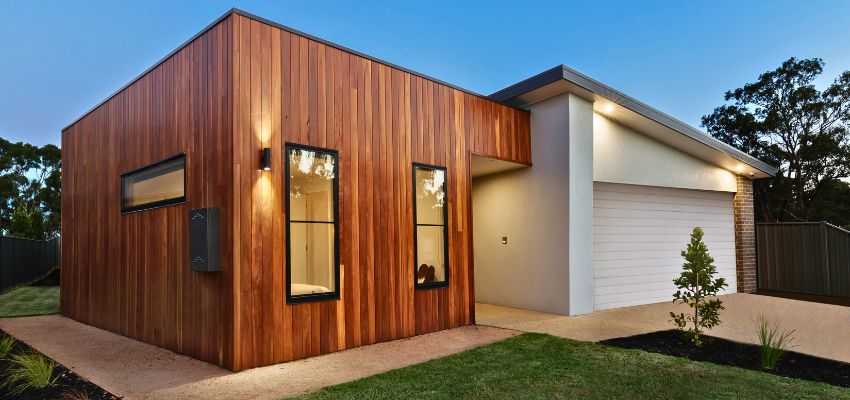
The profile and installation of the boards significantly affect both appearance and performance. Tongue and groove boards create a smooth, seamless finish. Feather-edge boards offer a more traditional, overlapping look. The boards can be installed vertically for a modern aesthetic or horizontally to improve water runoff.
Pros Of Timber Cladding
Natural Aesthetic And Design Versatility
Timber’s timeless appeal shows in its adaptability. Let it weather to a silver-gray patina or stain to preserve rich color. Timber fits both rustic and modern styles.
Sustainability And Eco-Friendliness
Timber is a renewable resource. When sourced responsibly, it has a reduced carbon footprint compared to many synthetic alternatives. This is because trees absorb and store carbon throughout their life cycle.
Thermal And Acoustic Insulation
Wood’s cellular structure naturally slows heat transfer. This helps maintain indoor temperatures and reduces energy costs. It also absorbs sound, contributing to a quieter interior.
Lightweight And Easy Installation
Timber is lighter and simpler to handle than brick or stone. This speeds installation, cutting labor and project costs.
Cons Of Timber Cladding
Ongoing Maintenance Requirements
Timber needs regular upkeep to maintain appearance and strength. Without it, the wood fades, dries out, and decays.
Vulnerability To Weather And Moisture
If not properly installed or treated, timber absorbs water, leading to swelling, warping, or structural damage.
Risk Of Rot, Pests, And Fire
Untreated timber is prone to rot and insect damage. As it’s combustible, fire-retardant treatments and careful selection are vital.
Higher Long-Term Costs Compared To Alternatives
Timber’s initial cost can be competitive. However, ongoing maintenance adds up. Over time, it may become more expensive than low-maintenance alternatives like vinyl or metal.
Timber Cladding Costs Explained
Average Cost Of Timber Cladding Per m²
Timber cladding costs depend on the wood type. Softwoods like pine are generally cheaper, while hardwoods and thermally modified woods cost more but last longer.
Factors That Influence Timber Cladding Costs
Several factors determine the final cost:
- Timber species: More durable or rare woods cost more
- Finishes and treatments: Protective coatings and fire treatments add to expenses
- Labor and installation complexity: Larger projects need more time. Intricate designs require more expertise.
Choosing premium or reclaimed timber can mean a higher upfront cost, but ask yourself: wouldn’t you rather invest in long-term value, standout style, and unique charm? Sourcing from trusted suppliers like Vintage & Specialty Wood opens the door to superior durability and visuals that wow.
Timber Vs. Other Cladding Materials
Other options, such as fiber cement and vinyl, are often cheaper upfront. They also require less maintenance. However, timber cladding offers greater visual appeal. It can also potentially increase a property’s value.
How To Choose The Right Timber Cladding
- Best timber species for exterior applications: Western Red Cedar, Redwood, and Accoya are popular choices. They’re durable, stable, and naturally resistant to rot. This makes them suitable for various climates. Douglas Fir is another strong option, though it must be sealed for outdoor use. If you’re on a budget, pressure-treated pine is a practical alternative. It’s chemically treated to resist moisture, insects, and decay.
- Treated vs. untreated timber: Durable species can go untreated. Softer woods need treatments. Thermally modified timber offers durability without chemicals.
- Climate and durability: Choose timber suitable for your climate. Damp areas need rot-resistant woods. Hot, dry locations require UV-resistant materials.
- Color, finish, and design: Stains highlight the wood’s natural grain, while paint offers a uniform color and added protection. Your choice will affect both the cladding’s appearance and its maintenance needs.
Timber Cladding Maintenance Tips
Maintenance Frequency
Check your cladding every year for mold, loose boards, or fading. Depending on your climate and finish, reapply stains or oils every 3–5 years to keep it in good condition.
Cleaning And Surface Care
Wash your cladding gently to remove dirt and algae. Use a pressure washer on low if necessary, but avoid high pressure that can strip finishes and harm wood fibers.
Staining, Oiling, And Sealing
Using a quality UV-protective oil or stain will prevent the wood from graying. These products penetrate and nourish the timber. They provide a protective barrier against moisture and sun damage.
Preventing Rot, Mold, And Insect Damage
Trim bushes and trees away from your walls to encourage airflow and ensure gutters are clear to prevent water from splashing onto the wood. Address any insect damage immediately to stop it from spreading.
When To Repair Or Replace
If a board is heavily split, warped, or feels soft and spongy, it’s time to replace it. Replacing a single damaged board early can prevent rot from spreading to the rest of the wall.
Frequently Asked Questions
How long does timber cladding last?
When properly installed and maintained, quality timber cladding can last from 30 to 60 years.
Is timber cladding suitable for all climates?
Yes, as long as you choose the right timber species and treatments for your local climate.
Does timber cladding require a lot of maintenance?
Compared to vinyl or metal, timber cladding requires more maintenance. It needs to be cleaned regularly and have protective coatings reapplied every few years.
What is the difference between exterior wood cladding and timber cladding?
The terms generally refer to the same concept. “Timber cladding” is more commonly used in the UK and Australia, while “wood cladding” is more common in the US.
What is the best wood for exterior wood cladding?
Western Red Cedar, Redwood, and Accoya are among the best options due to their durability and natural resistance to decay. Pressure-treated pine is a budget-friendly alternative. It’s widely used in the US and performs well with proper maintenance.
Can timber cladding be installed over existing walls?
Yes, timber cladding can be installed over existing walls. However, you’ll need to install proper battens and a ventilation system first.
Is timber cladding environmentally friendly?
Yes. Timber is a renewable resource capable of storing carbon. It’s especially eco-friendly when sourced from responsibly managed forests.
Choosing Timber Cladding For Lasting Style And Performance
Timber cladding offers a unique blend of natural beauty, insulation, and sustainability. Although it demands consistent maintenance and careful installation, it provides long-term value and enhances a property’s appeal. To ensure a quality result, choose the right timber, ensure proper ventilation, and commit to regular upkeep. For larger projects, consulting with professionals is recommended.
Are you ready to elevate your next building project with distinctive, high-quality timber? Vintage & Specialty Wood offers a wide selection of reclaimed and specialty wood, helping you achieve a perfect balance of durability, sustainability, and timeless character.
Hire The Timber Experts For Your Next Project
Vintage & Specialty Wood should be your source of the highest quality timbers from around the world. When it comes to fabricating and installing reclaimed wood or specialty wood products in your home, we don’t cut corners. We offer many reclaimed wood and specialty wood products such as Douglas Fir, white oak, and much more. We also offer timber framing and wood flooring services as well. Contact our team today to speak to a timber expert about what Vintage & Specialty Wood can do for you.

This Blog Is Fact Checked
This content has undergone meticulous fact-checking by our team of internal experts. Gain a deeper understanding of the high editorial standards we uphold on our website here.

About The Author
Experience, exploration, and knowledge are the hallmarks of writer Rei Bayucca. Her dedication to crafting articles that both inspire and educate will leave you thinking long after you’ve finished reading.