What Is Fir Wood? Characteristics, Strength, And Common Uses
Published March 18, 2026
Wood is a timeless material that blends strength with natural beauty, used for everything from rustic paneling to home framing. But with so many types of lumber available, choosing the right one can be overwhelming. You might find yourself in the lumber aisle asking, “What is fir wood?” and “Is it the right choice for my project?”
In this article, we’ll explore everything you need to know about fir wood, from its characteristics and durability to its common uses. We’ll also compare it to other popular wood types to help you make an informed decision.
What Is Fir Wood, And Why Is It Popular?
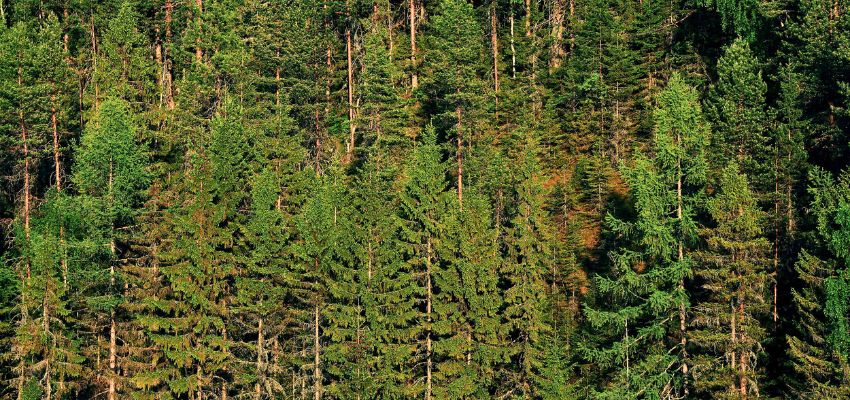
Fir is a type of softwood that comes from conifer trees belonging to the Abies genus. These trees grow in dense forests and regenerate quickly, which makes fir wood a relatively sustainable lumber source.
Douglas fir is one of the most popular structural softwoods in construction. Despite the similar name, Douglas fir belongs to the Pseudotsuga genus and is not a true fir, which refers only to species in the Abies genus. However, Douglas fir is often grouped with true firs in the lumber industry due to overlapping characteristics and similar uses, though they’re botanically distinct.
Where Fir Wood Is Commonly Found
Fir trees are primarily found in the Northern Hemisphere, particularly in western North America, including the Pacific Northwest. Their dense growth and quick regeneration make them a sustainable source for harvesting.
Key Characteristics Of Fir Wood
Appearance And Grain Pattern
Fir wood is known for its clean and uniform appearance. Its tight, straight grain creates a consistent look, making it the ideal choice for structural and decorative purposes.
Color Variations And Natural Finish
Freshly cut fir has a light tone with a warm, amber hue. While the color is mostly consistent, it may darken slightly with age. Fir wood takes clear finishes well, which enhances its natural beauty.
Texture And Workability
With its smooth texture, fir is easy to cut, shape, and join. The wood’s grain structure allows for precise work, and it holds paint and stains well, offering greater design flexibility.
Resistance To Warping And Shrinkage
Once properly dried, fir is highly effective at maintaining its shape. It resists twisting, warping, and shrinking better than many other softwoods, making it a reliable choice for projects that demand dimensional accuracy.
Strength And Durability Of Fir Wood
How Strong Is Fir Wood Compared To Other Softwoods?
Among softwoods, true fir wood from the Abies genus offers moderate strength. In construction, the name “fir” sometimes refers to Douglas fir (Pseudotsuga genus), which is much stronger than true fir but technically a different species.
Douglas fir scores around 660 on the Janka hardness scale, demonstrating higher structural performance than most common softwoods, including true fir species. Because of its superior strength and stability, Douglas fir is commonly used for framing, beams, and other load-bearing applications.
Weight, Density, And Structural Performance
Fir has an excellent strength-to-weight ratio, delivering reliable load-bearing performance without excessive weight. This makes it a suitable choice for structural applications like framing and roof systems.
Moisture Resistance And Longevity
Fir absorbs less moisture than many other softwoods, which helps reduce the risk of rot over time. This characteristic contributes to its longevity, especially when properly treated.
Is Fir Wood Good For Load-Bearing Applications?
Yes, fir is an excellent choice for load-bearing structures because of its strength and stability. It provides reliable, long-term support in demanding applications.
Common Uses Of Fir Wood
- Construction and structural framing. Due to its strength and stability, fir is commonly used for wall studs, floor joists, and roof trusses. It’s a reliable material for structural frameworks.
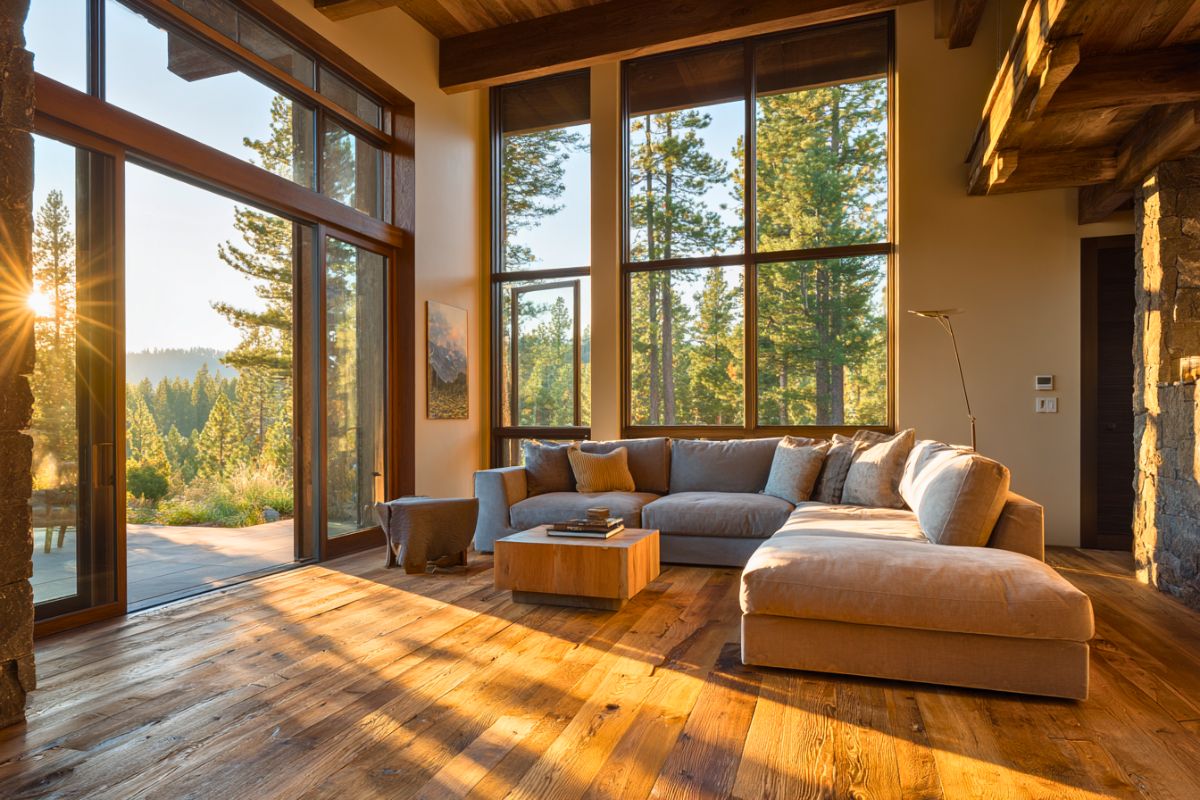
- Flooring and interior applications. With its uniform appearance, fir is a great option for flooring and interior finishes. It’s also widely used for trim, molding, and paneling.
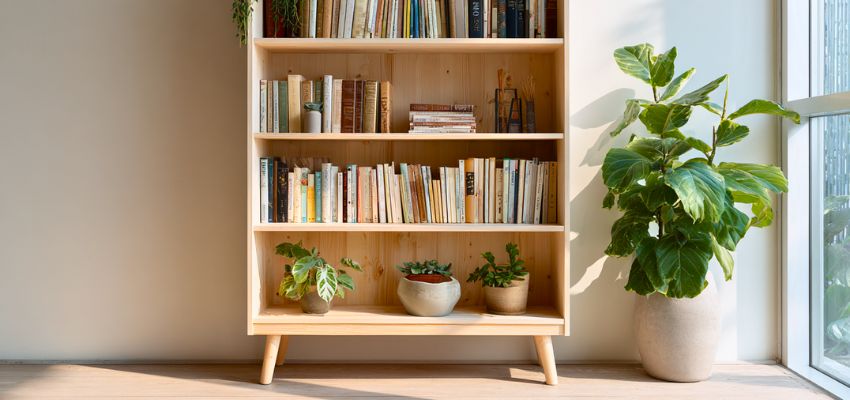
- Furniture and cabinetry. Fir is a popular choice for furniture and cabinetry, especially for rustic or traditional styles. Its smooth surface and warm tone make it a visually appealing option.
- Plywood, veneers, and engineered wood products. Fir is a key component in plywood and is used for engineered products like laminated veneer lumber (LVL), where strength is critical.
Advantages And Disadvantages Of Fir Wood
Benefits Of Using Fir Wood
Fir is known for its strength, durability, and consistent grain. It holds up well in high-traffic areas and maintains its shape over time, making it a low-maintenance option.
Limitations And Considerations
Due to its structural qualities, fir is often more expensive than basic pine. While it resists moisture well, it must be sealed for long-term outdoor use. Its density can also make fastening more challenging than with other softwoods.
When Fir Wood Is The Best Choice
Fir is ideal for projects where strength and stability are priorities, as well as for interior finishes that require a clean, uniform appearance.
Fir Wood Vs Other Types Of Wood
- How fir compares to other softwoods. Fir generally has a straighter grain and fewer knots than pine or cedar. It also offers greater dimensional stability, making it a good choice for structural applications.
- Key differences between fir and hardwood options. Hardwoods such as maple or oak are denser and capable of resisting scratches and dents. However, they’re also heavier, more expensive, and harder to work with than fir. Fir offers a good balance of strength and usability, making it a practical alternative.
- Choosing the right wood for your project. If you need structural reliability and a consistent appearance, fir is an excellent choice. For decorative or budget-focused projects, other softwoods might be more suitable.
Frequently Asked Questions
Douglas fir vs pine: Which is better for construction projects?
When comparing Douglas fir vs pine, fir is the preferred choice for structural projects due to its superior stability and strength-to-weight ratio. Pine, on the other hand, is often used for decorative purposes because it costs less.
Southern yellow pine vs Douglas fir: What are the key differences?
When comparing Southern yellow pine vs Douglas fir, yellow pine is slightly harder (around 690 on the Janka scale), but it’s more prone to movement. Douglas fir offers better dimensional stability and is easier to work with.
Is fir wood good for outdoor use?
Fir wood can be used outdoors, but it needs proper treatment and sealing to protect it from moisture and the elements.
Does fir wood need treatment or sealing?
Yes, sealing fir wood is recommended for outdoor use. This protects it from UV damage, moisture, and pests, helping to extend its lifespan.
How long does fir wood last?
Untreated fir wood typically lasts 10–15 years, depending on the conditions. However, with proper treatment and maintenance, its lifespan can be significantly extended, especially when used for structural purposes.
Is Fir Wood The Right Choice For Your Next Project?
Fir wood combines strength, workability, and visual appeal, making it suitable for everything from structural framing to interior finishes. Although it may cost more than other softwoods, its durability and stability make it a good investment. Whether you’re building a deck or finishing an interior space, fir provides the reliability and clean look needed for long-lasting results.
Ready to start your next project? Explore premium reclaimed and specialty materials from Vintage & Specialty Wood to bring your vision to life. Visit Vintage & Specialty Wood today to explore their inventory.
Hire The Timber Experts For Your Next Project
Vintage & Specialty Wood should be your source of the highest quality timbers from around the world. When it comes to fabricating and installing reclaimed wood or specialty wood products in your home, we don’t cut corners. We offer many reclaimed wood and specialty wood products such as Douglas Fir, white oak, and much more. We also offer timber framing and wood flooring services as well. Contact our team today to speak to a timber expert about what Vintage & Specialty Wood can do for you.

This Blog Is Fact Checked
This content has undergone meticulous fact-checking by our team of internal experts. Gain a deeper understanding of the high editorial standards we uphold on our website here.

About The Author
Experience, exploration, and knowledge are the hallmarks of writer Rei Bayucca. Her dedication to crafting articles that both inspire and educate will leave you thinking long after you’ve finished reading.