Is Rubberwood Real Wood? Everything You Need To Know
Published January 21, 2026
You’re scrolling online for a new dining table and see a beautiful, affordable option. The catch? It’s made from “rubberwood.” Your mind immediately fills with questions. Is rubberwood real wood, or some kind of cheap, plastic-like imitation? Will it feel like rubber? Can a material associated with bouncy tires possibly be sturdy enough for furniture? This confusion is why many shoppers hesitate. The name “rubberwood” sounds like a flexible material, not the solid, reliable foundation you’d expect from quality furniture. It’s fair to question if it’s a wise investment or just clever marketing.
In this article, we’ll clear up the confusion. You’ll learn precisely what rubberwood is, where it comes from, how it compares to woods like oak and maple, and whether it’s right for your home.
What Is Rubberwood?
First and foremost: yes, rubberwood is real wood. It’s not synthetic, plastic, or rubbery in texture. It’s a light-colored, medium-density tropical hardwood harvested from the Pará rubber tree. Despite its name, the wood itself is solid and rigid, just like other hardwoods used in furniture.
Why The Name “Rubberwood” Can Be Misleading
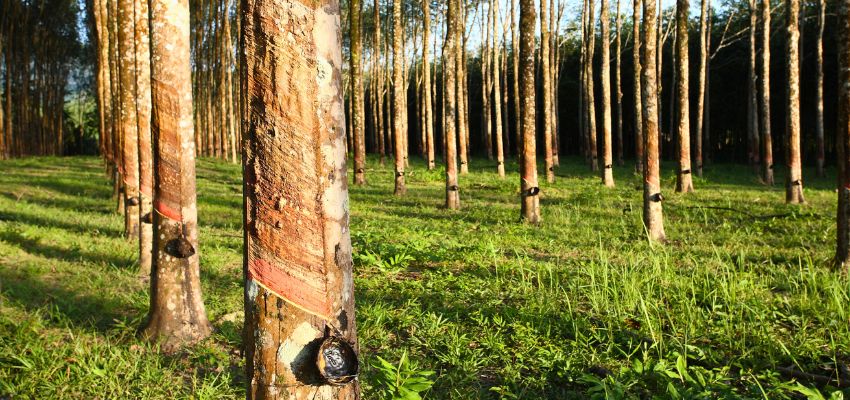
The term “rubberwood” comes from the tree’s main job—producing latex for natural rubber—not from how the wood feels. Because people associate “rubber” with flexibility, they often assume the wood must be soft or bendy. In reality, once the tree is cut and processed, the lumber behaves like typical hardwood.
Botanical Source: The Hevea Brasiliensis Tree
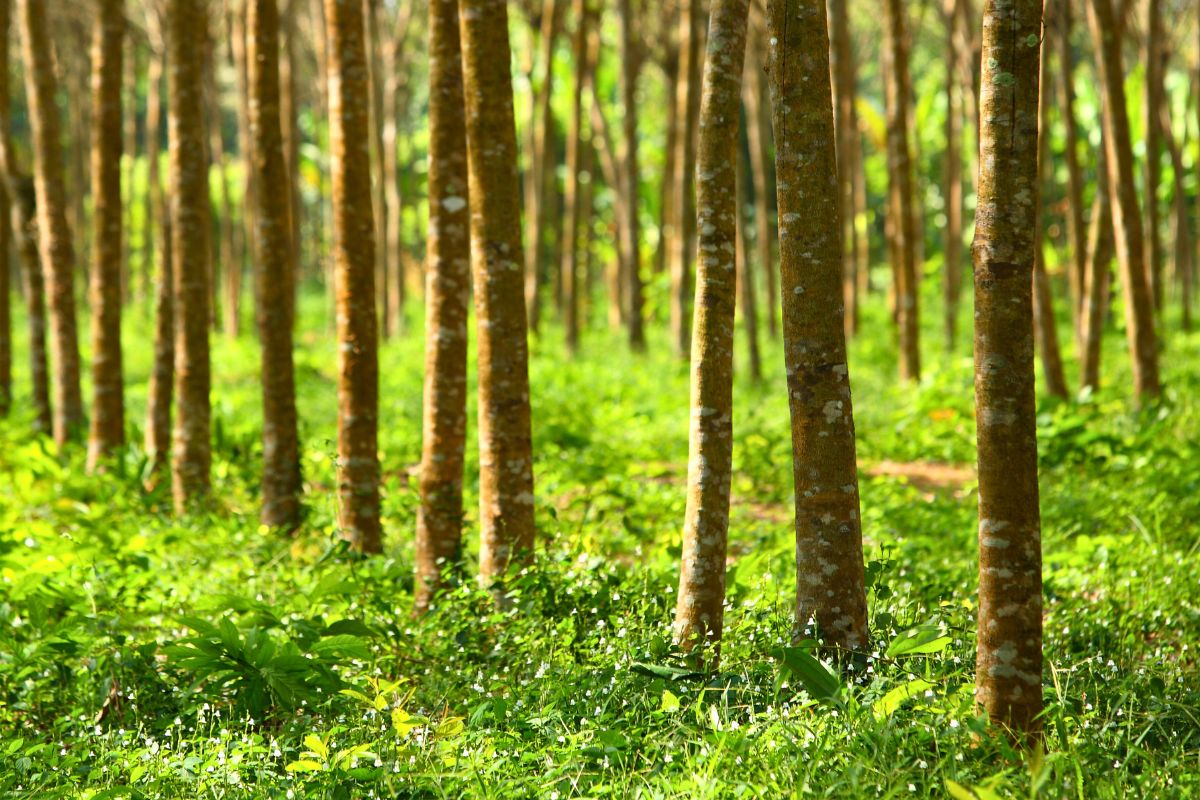
Rubberwood comes from the Hevea brasiliensis tree, native to the Amazon but now widely grown in Asia, Africa, and South America. These trees are tapped for latex for about 25-30 years. When latex production drops, the trees are harvested for timber, making rubberwood both an agricultural and forestry product.
Rubberwood Vs Other Types Of Wood
Rubberwood Compared With The Solid Wood Categories
“Solid wood” means lumber cut directly from a tree trunk, not layered or glued. By that definition, rubberwood is 100% solid wood. It has natural grain, knots, and variations just like any other timber.
How Rubberwood Differs From Hardwoods Like Oak And Maple
Rubber is technically a hardwood, but on the softer end of the scale. On the Janka hardness test, it scores around 960-980—harder than pine, but softer than red oak (1290) or hard maple (1450). It’s durable enough for everyday furniture, just not as tough as premium hardwoods.
Rubberwood Vs Engineered Wood And Plywood
Unlike MDF or plywood, which are made from glued fibers or veneers, rubberwood is natural lumber. However, in budget furniture, rubberwood is sometimes paired with MDP panels—so it’s essential to check whether a piece is fully solid wood or mixed material.
Key Characteristics Of Rubberwood
Appearance, Grain, And Density
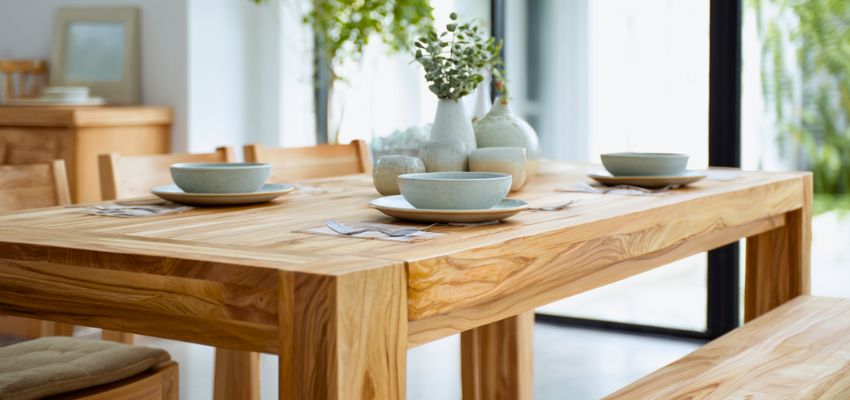
Rubberwood has a pale blonde to creamy color with a fairly straight, dense grain. It stains well and can mimic darker woods like walnut or cherry. Its uniform look makes it popular in modern and painted furniture.
Strength, Hardness, And Durability
For indoor use, rubberwood is strong and stable. It holds screws well and resists warping when properly dried. While not as hard as oak, it handles everyday wear in tables, chairs, and cabinets.
Workability And Finishing Qualities
Manufacturers like rubberwood because it’s easy to cut, glue, and sand. It has low shrinkage, so finished furniture is less likely to warp or crack. It also takes paint and stains smoothly.
Sustainability And Eco-Friendly Considerations
- Rubberwood is a by-product of latex cultivation. Rubberwood is one of the most eco-friendly furniture woods. Trees are grown for latex first; timber is a secondary product. Using the wood prevents old trees from being burned or wasted.
- Plantation sourcing vs forest logging. Rubberwood comes from managed plantations, not natural rainforests. Trees are replanted in cycles, reducing pressure on slow-growing or endangered forests.
- Environmental pros and cons. Pros include renewability, waste reduction, and carbon capture during the tree’s life. The main downside is chemical treatment: rubberwood has high starch content that attracts insects, so it must be treated with preservatives. Finished furniture is safe, but buyers should look for certified products.
Common Uses For Rubberwood
Furniture And Cabinetry
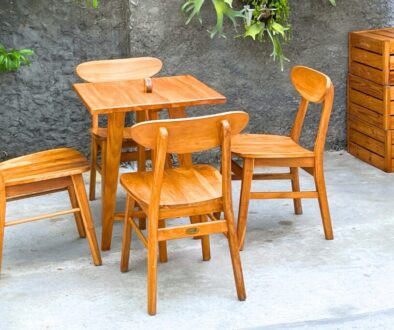
Rubberwood is widely used in dining sets, desks, beds, and cabinets. It’s especially popular for painted furniture where the grain pattern isn’t the main feature.
Flooring And Interior Applications
It’s sometimes used for parquet flooring and stairs, though not ideal for high-traffic or damp areas unless heavily sealed.
Decorative Items And Smaller Wood Products
Its smooth texture makes it great for cutting boards, toys, picture frames, and kitchen tools.
Rubberwood: Pros And Cons
Advantages—Affordability, Sustainability, Workability
- Cheaper than premium hardwoods like teak and mahogany
- Eco-friendly and plantation-grown
- Stains and paints well
- Stable when properly dried
Limitations—Moisture Sensitivity And Durability
- Absorbs water easily
- Can rot or warp in damp conditions
- Attracts insects if not treated
- Not suitable for outdoor use
How To Choose Between Rubberwood And Other Woods
- When rubberwood is the best choice. Rubberwood is ideal if you want solid wood furniture on a budget. It’s great for kids’ furniture, first homes, rentals, or painted pieces. If sustainability matters most, it’s an excellent choice.
- Situations where traditional solid wood excels. For heirloom pieces, outdoor furniture, or very high-traffic use, woods like oak, teak, or mahogany perform better.
- Budget and longevity trade-offs. Rubberwood sits in the middle: better than veneers or particle board, but not as long-lasting as premium hardwoods.
Frequently Asked Questions
Is rubberwood waterproof or moisture-resistant?
No. It absorbs moisture easily and can warp or rot if exposed to water.
Is rubberwood real wood or a manufactured material?
It’s real, natural hardwood from the rubber tree.
Can rubberwood be used outdoors?
No. It lacks the natural oils that protect woods like teak or cedar.
How does rubberwood compare with solid hardwoods?
It’s softer than oak or maple, harder than pine, and offers good value for the price.
Is rubberwood furniture durable?
Yes—for everyday indoor use, with proper care.
Is Rubberwood Real Wood—And Is It Right For Your Home?
Rubberwood is a sturdy and affordable alternative to premium hardwoods, making it an excellent choice for furniture like dining tables, chairs, and bedroom sets. So, is rubberwood real wood? Yes, it is, and its sustainable origins appeal to eco-conscious buyers, while its versatility suits various settings. However, it’s not ideal for areas with high moisture, like patios or bathrooms. Understanding its strengths and limitations helps you balance quality, budget, and style.
If you’re looking for wood with more history, character, or durability than standard rubberwood, consider exploring specialized options. Vintage & Specialty Wood offers high-quality reclaimed and specialty woods that add unique character to any project. Visit them to find timber that stands out.
Hire The Timber Experts For Your Next Project
Vintage & Specialty Wood should be your source of the highest quality timbers from around the world. When it comes to fabricating and installing reclaimed wood or specialty wood products in your home, we don’t cut corners. We offer many reclaimed wood and specialty wood products such as Douglas Fir, white oak, and much more. We also offer timber framing and wood flooring services as well. Contact our team today to speak to a timber expert about what Vintage & Specialty Wood can do for you.

This Blog Is Fact Checked
This content has undergone meticulous fact-checking by our team of internal experts. Gain a deeper understanding of the high editorial standards we uphold on our website here.

About The Author
Experience, exploration, and knowledge are the hallmarks of writer Rei Bayucca. Her dedication to crafting articles that both inspire and educate will leave you thinking long after you’ve finished reading.