DIY Wood Countertops: A Step-By-Step Kitchen Upgrade Guide
Published February 3, 2026
Is your kitchen missing warmth and soul? You long for timber’s inviting character, but the high price of custom installs can be discouraging. Fed up with cold laminate when you want a cozy, welcoming family hub? The good news: you don’t need a big budget. DIY wood countertops are an approachable, affordable way to transform your kitchen. With basic woodworking skills, you can turn an ordinary kitchen into a true sanctuary.
In this article, we’ll walk you through the step-by-step procedure of creating your own stunning DIY wood countertops. Starting with selecting the right lumber and tools all the way through building, sealing, and installation, you’ll find everything you need to tackle this rewarding project.
Why Choose DIY Wood Countertops For Your Kitchen?
Building your own wood countertops saves money, lets you personalize your kitchen, and brings the satisfaction of a hands-on project. Customization ensures your counters match your unique style.
Benefits Of DIY Wood Countertops
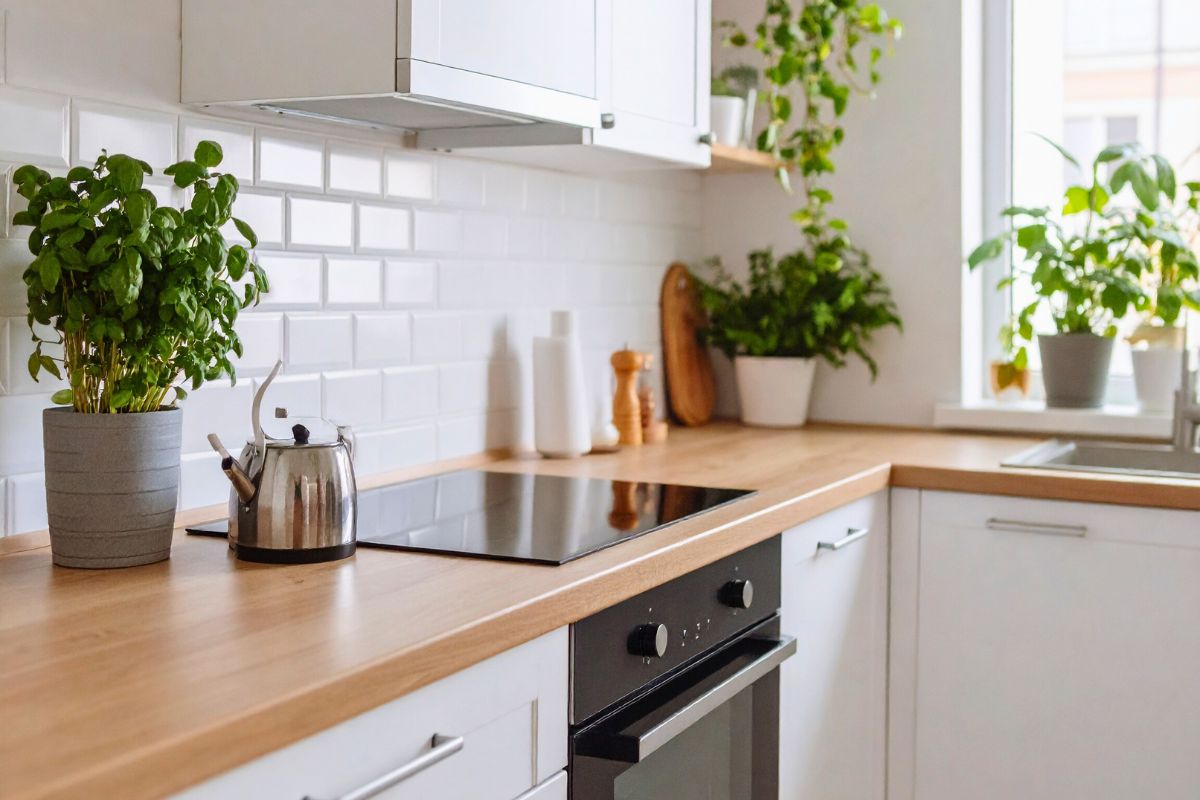
Creating your countertops is cost-effective and offers full control over materials and finishes. Wood brings a range of styles from rustic to modern and adds warmth and texture that manufactured surfaces lack.
Wood Countertops Vs. Other Materials
Compared to popular alternatives, wood holds its own.
- Granite and quartz are extremely durable and heat-resistant, but they’re costly and usually require professional installation. Wood is more vulnerable to scratches and heat marks, yet one major advantage is that it can be sanded and refinished if damage occurs. It’s something that’s not possible with chipped stone.
- Laminate, while budget-friendly, lacks the depth and longevity of real timber. It can peel, scorch, and delaminate, and repairs are often impractical. Wood, by contrast, develops character over time and can remain in service for decades with proper care.
Design Styles And Aesthetics Wood Brings To Your Kitchen
Wood is remarkably versatile. Light maple suits minimalist and contemporary spaces, while deep walnut adds a sense of richness and refinement. For rustic or farmhouse kitchens, knotty pine or reclaimed timber delivers an authentic, lived-in appearance. Because wood can be stained and finished in countless ways, it adapts easily to almost any design direction.
Planning Your DIY Wood Countertop Project
Good planning sets the foundation for a smooth and successful build. Before you start cutting, gather your tools, choose suitable materials, and finalize your layout.
Tools And Materials You’ll Need
Having everything prepared in advance makes the process far more efficient.
Tools
- Table saw
- Miter saw
- Biscuit joiner or pocket-hole jig
- Clamps
- Power sander
- Drill
- Router (for edge profiling)
Materials
- Selected lumber
- Wood glue
- Biscuits or pocket-hole screws
- Sandpaper in multiple grits
- Food-safe wood sealer
- Tack cloth
Choosing The Best Wood Species For Durability And Look
Your wood choice affects both appearance and long-term performance.
- Hardwoods (maple, oak, walnut) are excellent for kitchen settings due to their hardiness and resistance to everyday wear. Maple is a classic butcher-block option, while walnut delivers a darker, premium finish.
- Softwoods (pine) are more affordable and ideal for rustic or farmhouse designs. However, they mark more easily and require greater care if you want to maintain a smooth surface.
Measuring And Designing Your Countertop Layout
Measure the length and depth of your base cabinets carefully, allowing for an overhang of around 25-38mm (1-1.5 inches). Sketch your layout and clearly mark sink, hob, and appliance positions. A clear plan ensures you build the correct size and shape before construction begins.
How To Make DIY Wood Countertops: Build, Seal, And Install Step-By-Step
With your plan ready, you can begin building.
Preparing Your Lumber (Planing, Jointing, And Cutting)
For a flat, seamless surface, start by bringing all boards to a uniform thickness using a planer. A jointer creates straight, square edges so boards fit tightly together. If you do not have a jointer, carefully trimming the factory edges on a table saw is an effective alternative.
Glue-Up And Clamping The Wood Pieces Together
Arrange your boards in the desired order on a flat surface. You can align and join them using either biscuits or pocket-hole screws.
Apply a generous coating of wood glue along each edge and insert biscuits if you’re using them. Press the boards together firmly and clamp across the entire width of the panel, spacing clamps evenly to maintain pressure. Remove any excess glue before it dries. Allow the panel to cure fully. In most cases, it’s at least 24 hours.
Sanding And Surface Prep For Smooth Results
Once the glue has cured, begin sanding with coarse grit (around 80-grit) to flatten joints and remove glue residue. Progress through 120-, 180-, and finally 220-grit for a smooth finish. Always sand with the grain and remove all dust with a tack cloth before moving on.
Edge Details And Profile Options For A Professional Finish
A router allows you to shape the edges of the countertop for a refined appearance. Simple round-overs, bevels, or decorative ogee profiles can dramatically improve the finished look.
Cutting Openings For Sink, Stove, And Other Fixtures
Use the manufacturer’s templates to mark cut-outs for sinks and appliances. Drill starter holes at each corner and carefully cut along the lines with a jigsaw. Accuracy here is essential for a clean installation.
Choosing The Right Sealer For Kitchen Use
Sealing protects the surface of your countertop from moisture and staining.
- Penetrating oils, such as tung oil or mineral oil, soak into the wood and enhance its natural appearance. They’re food-safe but must be reapplied regularly.
- Film-forming finishes, such as polyurethane or Waterlox, create a durable protective layer on the surface. They provide better water resistance but are more difficult to repair if damaged. Always confirm the product is food-safe once fully cured.
Step-By-Step Sealing Technique
Apply thin, even coats using a clean cloth or brush. Allow each coating to dry fully before lightly sanding between coats with fine-grit paper. Remove dust and apply subsequent coats until the recommended number of layers is achieved.
How To Set And Secure The Countertop On Cabinets
Position the finished countertop on the cabinets and check that it’s level and evenly overhung. Secure it from below by driving screws through the cabinet corner braces into the underside of the wood.
Sealing Joints And Edges For Water Resistance
Around the sink and any joins, apply a clear silicone sealant to prevent moisture from penetrating vulnerable areas. This additional protection is especially important near plumbing fixtures.
Finishing Touches (Backsplash, Trim, Hardware)
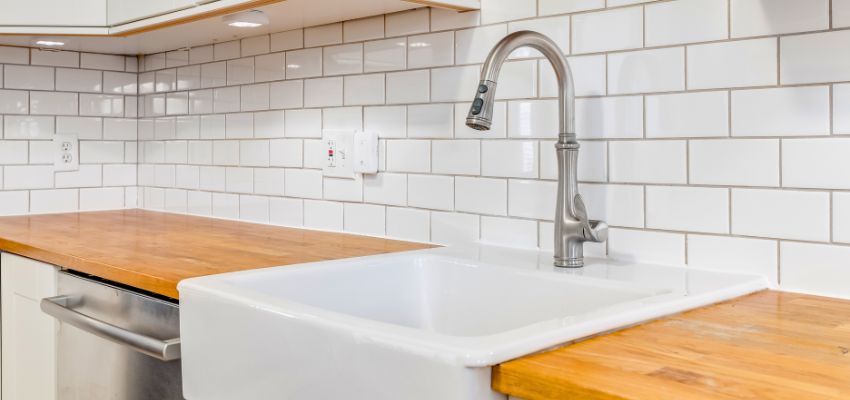
Install your backsplash, attach trim where required, and refit cabinet hardware. These finishing elements complete the look and help integrate the new countertop into the overall kitchen design.
Maintenance Tips To Keep Your Countertops Looking New
- Wipe spills promptly, especially water.
- Use chopping boards to avoid knife damage.
- Prace trivets under hot cookware.
- Re-oil or reseal surfaces as required, particularly when using oil finishes.
- Light scratches can be sanded and refinished to restore the surface.
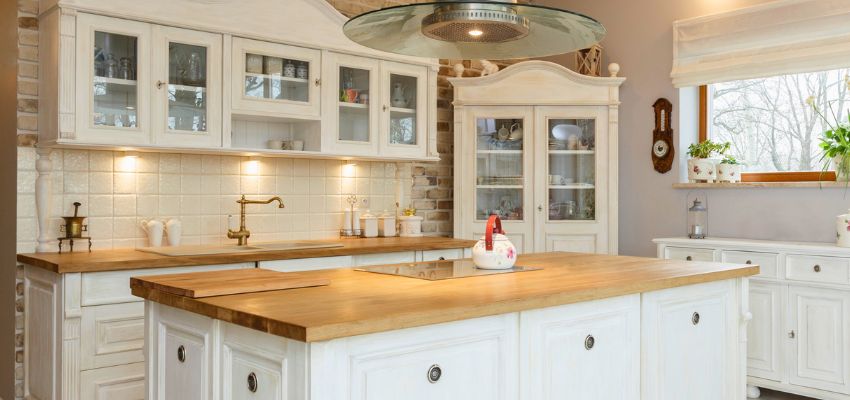
Bring Warmth, Character, And Craftsmanship To Your Kitchen With DIY Wood Countertops
Building your own wood countertops is a challenging but immensely satisfying project that can completely transform your kitchen. By following these steps, you can create a high-end look on a budget and enjoy a beautiful, durable surface that you built with your own two hands. You’ve learned how to plan, build, and finish custom DIY wood countertops that’ll be the heart of your home for years to come.
Ready to start your countertop project? The first step is sourcing the right wood. For high-quality reclaimed or specialty woods that’ll add unique character to your kitchen, explore the selection at Vintage & Specialty Wood. Find the perfect lumber to begin your DIY journey today.
Hire The Timber Experts For Your Next Project
Vintage & Specialty Wood should be your source of the highest quality timbers from around the world. When it comes to fabricating and installing reclaimed wood or specialty wood products in your home, we don’t cut corners. We offer many reclaimed wood and specialty wood products such as Douglas Fir, white oak, and much more. We also offer timber framing and wood flooring services as well. Contact our team today to speak to a timber expert about what Vintage & Specialty Wood can do for you.

This Blog Is Fact Checked
This content has undergone meticulous fact-checking by our team of internal experts. Gain a deeper understanding of the high editorial standards we uphold on our website here.

About The Author
Experience, exploration, and knowledge are the hallmarks of writer Rei Bayucca. Her dedication to crafting articles that both inspire and educate will leave you thinking long after you’ve finished reading.