Mahogany Vs Walnut: Why One Might Be Better For Your Home
Published December 10, 2025
When it comes to creating timeless furniture, flooring, or cabinetry, the choice of wood can feel overwhelming. The mahogany vs walnut debate has long captivated homeowners and designers—and for good reason. Your decision isn’t just about color; it’s about shaping the long-term character of your home. Both woods are valued for their beauty and durability, but differ in aesthetics, aging, and performance. Whether designing a modern living room or restoring a historic study, knowing the differences helps you choose confidently.
In this article, we’ll explore what sets mahogany and walnut apart—from grain and color changes to durability, ideal uses, maintenance needs, and cost. By the end, you’ll know which wood best suits your vision, lifestyle, and budget.
Mahogany Vs Walnut Wood: An Introduction
Choosing between mahogany and walnut affects far more than appearance. Both are premium hardwoods known for strength and longevity. However, they react differently to sunlight, moisture, and daily wear. A walnut table in a bright, sunlit room may lighten over time, while mahogany’s warm red tones may feel too bold in a minimalist space.
- Mahogany: A tropical hardwood from Africa, Asia, and Central/South America, known for its consistent grain, reddish-brown color, and excellent resistance to moisture and decay.
- Walnut: Primarily American Black Walnut, grown in the central and eastern United States. It’s prized for its rich chocolate-brown heartwood, striking grain variation, and strong presence in contemporary design.
Mahogany And Walnut Wood Characteristics
Grain, Texture, And Overall Appearance
This is where mahogany and walnut diverge most visibly.
- Mahogany has a straight, uniform grain. This gives it a refined and formal look. It’s an ideal choice for classic and traditional interiors.
- Walnut offers more natural variation. Its open grain, waves, and curls create a striking look. Occasional sapwood streaks add character. It’s a favorite for modern and artisanal designs.
Durability, Hardness, And Lifespan
Both woods are durable enough for heirloom-quality furniture.
- Walnut typically measures around 1,010 lbf on the Janka hardness scale.
- African Mahogany ranges from 800-900 lbf, while denser species like Santos Mahogany exceed 2,000 lbf.
Walnut is slightly harder than standard furniture-grade mahogany. However, mahogany has legendary rot resistance. This gives it an edge in humid or moisture-prone environments.
Workability And Maintenance Requirements
Walnut machines beautifully, holds detail well, and accepts finishes easily. Mahogany is also easy to work with, although interlocked grain can tear out if not handled carefully.
For maintenance:
- Walnut requires UV protection to preserve its dark tone.
- Mahogany benefits from occasional oiling or polishing to maintain depth and richness.

Mahogany Vs Walnut Color: How Each Impacts Your Interior Style
Mahogany Color Profile
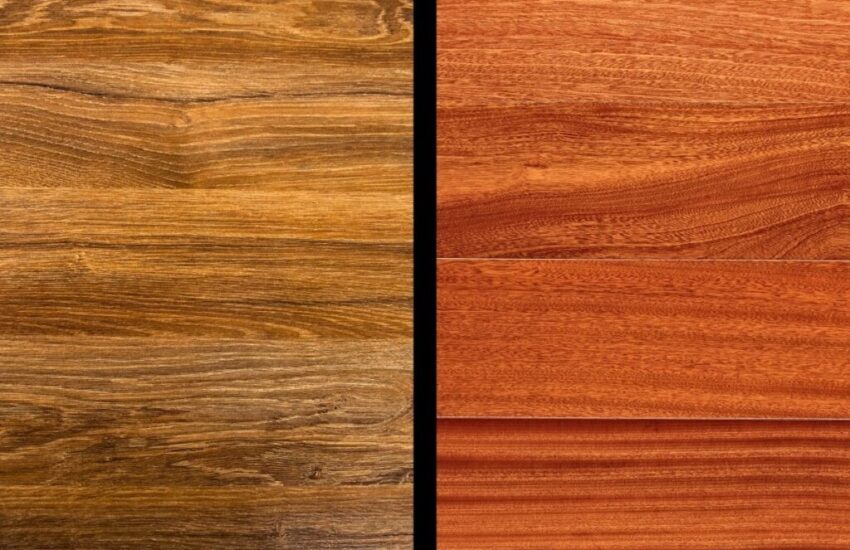
Freshly cut mahogany begins as a pinkish-brown or salmon tone and deepens into a rich, dark reddish-brown over time. It stains exceptionally well. This makes it suitable for both warm traditional spaces and deep, dramatic finishes.
Walnut Color Profile
Walnut starts as a deep chocolate brown, sometimes with gray or purple undertones. Unlike most dark woods, walnut lightens with UV exposure. It shifts to a golden brown unless protected with UV-inhibiting finishes.
Which Color Works Best In Modern, Rustic, Or Traditional Homes
- Traditional and formal: Mahogany’s warmth and uniform grain excel.
- Modern and contemporary: Walnut’s cool undertones and expressive grain make it the top choice.
- Rustic: Walnut’s natural variation pairs beautifully with organic, textural interiors.
Mahogany Vs Walnut Wood Performance In Furniture And Home Projects
Best Uses For Mahogany
Thanks to its stability and moisture resistance, mahogany shines in:
- Exterior doors
- Fine cabinetry
- Luxury furniture
- Musical instruments
Best Uses For Walnut
Walnut’s dramatic appearance suits pieces meant to stand out:
- Live-edge dining and coffee tables
- Modern accent chairs and bed frames
- High-end flooring in low-traffic spaces
Weight, Stability, And Practicality
Walnut tends to be lighter than dense tropical mahogany, making walnut furniture easier to move. Both woods are dimensionally stable. This means they resist seasonal expansion and contraction. As a result, they’re less likely to develop sticking drawers or loose joints.

Cost Comparison: Is Mahogany Or Walnut More Budget-Friendly?
Material Cost And Availability
- Walnut is typically more expensive due to high demand and limited yield per tree.
- African Mahogany is a more affordable option. Genuine Honduran Mahogany is rare and heavily regulated, making it more expensive.
Long-Term Value
Both woods retain value well, though walnut’s current popularity in high-end design can give it a slight edge in resale appeal. Mahogany remains the benchmark for antiques.
Sustainability And Ethical Sourcing
- Walnut is generally sustainable as a domestic U.S. species under regulated forestry.
- Mahogany needs careful sourcing. Look for FSC certification to avoid illegal tropical logging.
Choosing Between Mahogany Vs Walnut For Your Home
Lighting, Room Size, And Architectural Style
Lighting plays a significant role:
- Walnut absorbs light and can visually “shrink” dim rooms.
- Mahogany’s warm reflectivity adds glow to smaller or more intimate spaces.
Room size is another critical factor. Walnut’s bold grain can ground large, open areas. Mahogany’s subtle grain keeps small rooms from feeling too busy.
Matching Wood With Flooring And Decor
- Walnut pairs well with cool neutrals (grays, whites, blues).
- Mahogany complements warm palettes (creams, greens, golds).
Contrast is key—walnut furniture looks striking against warm oak or maple floors.
Expert Tips
Designers often recommend mixing woods rather than matching them exactly. Woodworkers also favor walnut wood for intricate joinery. Its grain holds detail exceptionally well.
Frequently Asked Questions
Is mahogany or walnut better for furniture?
Neither wood is universally better. Walnut excels in modern, high-figure designs. Mahogany suits formal or traditional aesthetics.
Which lasts longer—mahogany or walnut?
Both can last for generations. Mahogany may outperform walnut wood in humid environments due to superior rot resistance.
How do the colors change over time?
Mahogany darkens and enriches; walnut lightens toward a golden brown unless UV-protected.
Which wood is more eco-friendly?
Domestic walnut is generally the more sustainable choice. Mahogany is eco-friendly only when responsibly sourced.
Mahogany Vs Walnut: Which One Truly Fits Your Home?
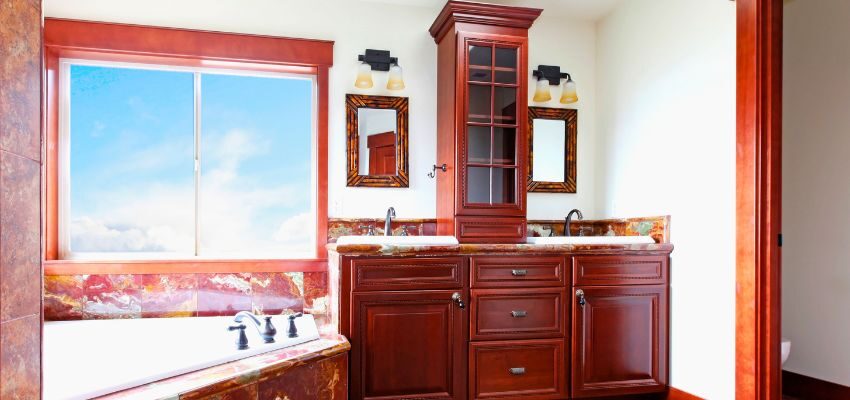
In the mahogany vs walnut comparison, your best choice depends on your design goals, the mood you want to create, and your budget. Mahogany offers warm elegance, timeless appeal, and excellent moisture resistance. Walnut provides modern sophistication, dramatic grain, and versatile styling potential. Both are durable, beautiful, and long-lasting choices.
If you want wood with added history and character, consider reclaimed options. Vintage & Specialty Wood offers high-quality reclaimed and specialty lumber that brings authentic soul and sustainability to any home project.
Hire The Timber Experts For Your Next Project
Vintage & Specialty Wood should be your source of the highest quality timbers from around the world. When it comes to fabricating and installing reclaimed wood or specialty wood products in your home, we don’t cut corners. We offer many reclaimed wood and specialty wood products such as Douglas Fir, white oak, and much more. We also offer timber framing and wood flooring services as well. Contact our team today to speak to a timber expert about what Vintage & Specialty Wood can do for you.

This Blog Is Fact Checked
This content has undergone meticulous fact-checking by our team of internal experts. Gain a deeper understanding of the high editorial standards we uphold on our website here.

About The Author
Experience, exploration, and knowledge are the hallmarks of writer Rei Bayucca. Her dedication to crafting articles that both inspire and educate will leave you thinking long after you’ve finished reading.