Hickory Wood 101: Durability, Style, And Best Uses Explained
Published January 7, 2026
Early pioneers relied on hickory wood for tool handles and wagon wheels. They needed a material that could withstand high impact without breaking. Today, hickory is still the hardest domestic hardwood in North America. It combines unmatched durability with a striking, rustic appearance. Many “hardwoods” dent or warp under heavy use. Hickory, however, offers strength without compromising style. This makes it the ultimate choice for furniture, flooring, and heavy-duty projects.
In this article, we’ll explore everything you need to know about hickory wood—from its native origins and growth patterns to Janka hardness ratings, species differences, care tips, and best applications.
What Is Hickory Wood?
Hickory trees are native primarily to the eastern United States, from Minnesota to Mexico, with some species found in parts of Asia. These slow-growing hardwoods often add only 6 to 12 inches of height per year. This gradual growth contributes to dense, strong timber. It can take up to 40 years for a tree to reach full maturity, resulting in wood with exceptional solidity and resilience.
Common Use Of Hickory Wood
Hickory is strong, flexible, and shock-resistant. This makes it perfect for demanding applications. Historically, it was used for tool handles, ladder rungs, and wagon wheels. Today, it remains a popular choice for baseball bats and lacrosse sticks. It’s also used for durable cabinetry and high-traffic flooring. Its strength makes it perfect for rustic furniture designed to withstand heavy everyday wear.
Why Is Hickory Wood Popular?
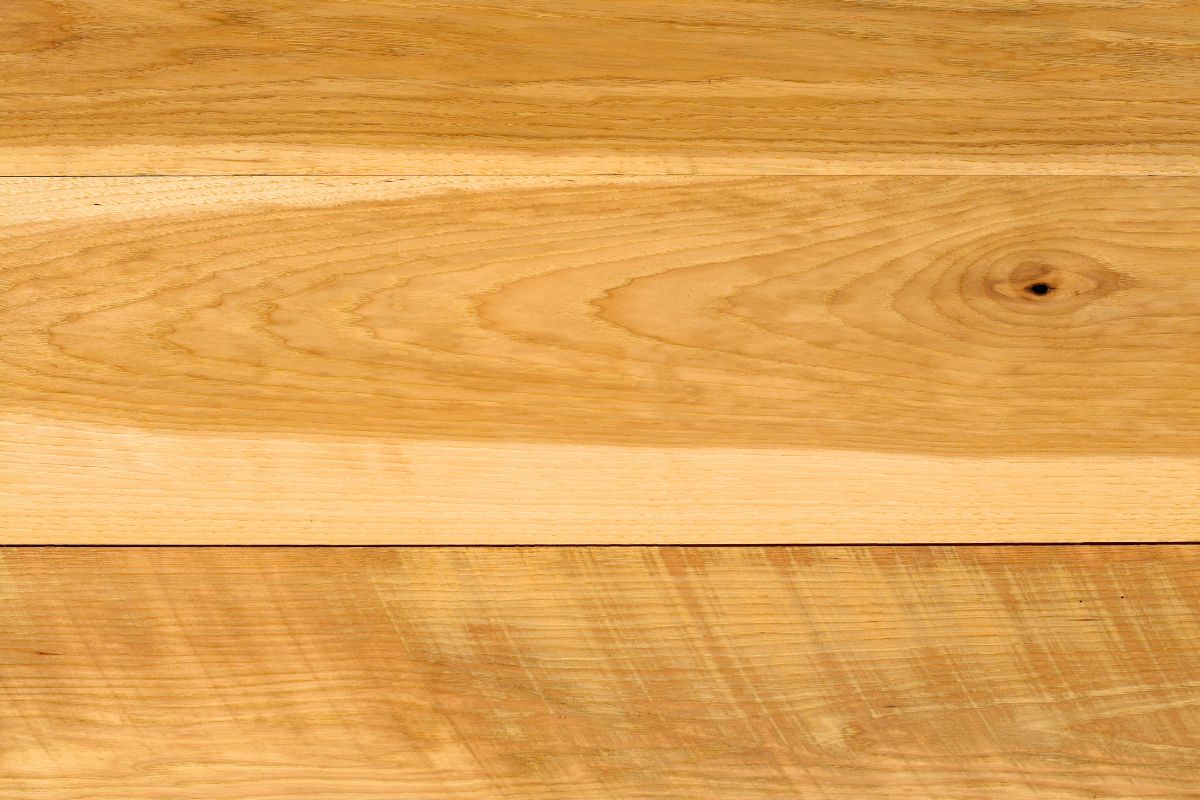
Hickory’s appeal comes from its “no-compromise” nature: it’s incredibly durable and visually striking. The pale sapwood contrasts with the dark heartwood, creating a unique calico look. It’s perfect for rustic or industrial-style interiors.
Types Of Hickory Wood
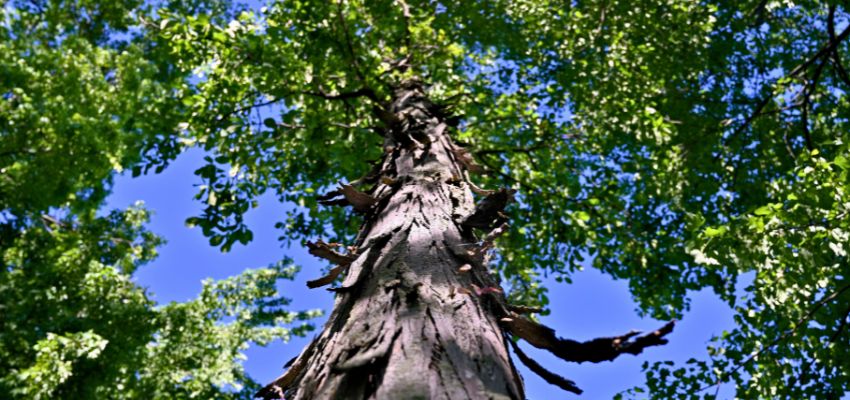
- Shagbark hickory. This type of hickory gets its name from its shaggy, peeling bark. It produces heavy, strong timber with excellent shock resistance. It’s frequently used in tool handles, ladders, and furniture, and its bold grain patterns make it a favorite for statement pieces.
- Shellbark hickory. Shellbark hickory is often called “King Nut.” It has larger nuts and leaves. It shares a similar strength and appearance with Shagbark. It’s valued in furniture and flooring where consistent hardness is required.
- Pignut and Mockernut hickory. Pignut hickory is sturdy and often used for home fixtures and heavy-duty tool handles. Mockernut hickory produces a hard, white wood. It’s suitable for agricultural implements, wagon wheels, and durable furniture.
Choosing The Right Hickory For Your Project
When selecting hickory, consider the aesthetic you want. For rustic, “cabin” style, choose calico wood with contrasting sapwood and heartwood. For a modern, uniform look, select clear or select-grade timber. Always check flooring grades—higher grades are cleaner, while lower grades show more knots and color variation.
Characteristics Of Hickory Wood
Hardness And Durability
Hickory is the hardest domestic hardwood in North America. It scores 1820 on the Janka hardness scale. This is significantly higher than White Oak (1360) or Black Walnut (1010). This makes it highly resistant to denting, scratches, and daily wear, ideal for homes with children, pets, or heavy foot traffic.
Appearance And Color Variations
Hickory has light sapwood and dark heartwood. This creates a bold, natural striped or calico pattern. The grain is usually straight but can be coarse or wavy, adding visual texture that reduces the need for heavy stains or paints.
Workability And Finishing
Hickory’s density makes it challenging to work with. Sharp, carbide-tipped tools are essential, and pre-drilling is recommended to prevent splitting. Sanding requires patience to avoid scratches, but the wood takes stains and finishes beautifully. Many woodworkers prefer clear finishes to highlight the natural color contrast.
Sustainability And Environmental Impact
Hickory is abundant in North America and not endangered. Responsible forestry practices and domestic sourcing reduce carbon footprints. This makes it a sustainable, eco-friendly choice compared to imported exotics.
Common Uses Beyond Furniture
Beyond furniture, hickory has many uses. It’s a popular option for hardwood flooring and smoking chips for meats. You’ll also find it in drumsticks and wheel spokes. While it can be used for firewood, it’s often considered too valuable to burn. Its versatility makes it a practical choice for many high-impact applications.
Why Choose Hickory For Your Furniture?
- Strength and longevity. Hickory furniture is built to last. Its high density ensures tight joints and surfaces that resist marring. This makes it ideal for creating heirloom-quality pieces. These pieces are built to endure for generations.
- Aesthetic appeal. The dramatic grain and color contrast of hickory add warmth and visual interest. It works well in rustic, farmhouse, and industrial interiors. It creates a natural focal point that synthetic materials can’t replicate.
- Environmental benefits. Choosing hickory supports local forestry and reduces transportation emissions compared to tropical hardwoods. Long-lasting furniture also contributes to less waste, avoiding the “fast furniture” cycle.
- Versatility in design. Hickory is often linked to rustic styles. However, it can work in modern designs too. A clear coat and uniform color make all the difference. Knots and color streaks add character to traditional or country-inspired spaces.
Caring For Hickory Furniture
- Cleaning and dusting. Dust on a routine basis with a soft cloth to prevent scratches. Clean using a moist cloth and mild soap, then dry immediately. Avoid harsh chemicals or ammonia-based products that can damage the finish.
- Preventing scratches and damage. Use felt pads under decorative items and coasters or trivets for hot dishes and drinks. These simple precautions protect the finish from minor damage.
- Polishing, oiling, and refinishing. Refresh luster with furniture polish or wax designed for hardwoods. Hickory is thick and hard enough to endure sanding and restaining if refinishing is needed.
- Climate and humidity considerations. Keep indoor humidity between 35% and 45%. Place furniture away from heat sources. This helps prevent warping, splitting, or cracking.
Frequently Asked Questions
Is hickory wood hard or soft?
Hickory is considered one of the hardest domestic hardwoods, with a Janka rating of 1820. It far exceeds common hardwoods like Oak, Maple, and Cherry in durability.
Can hickory be painted or stained?
Yes, hickory absorbs stains well, though its natural color contrast may make uniform staining challenging. Clear finishes are often recommended to highlight the grain. Painting is possible but less common.
How long does hickory furniture last?
With proper care, hickory furniture can last a lifetime and beyond. Antique hickory tools and furniture over a century old remain structurally sound.
Is hickory wood sustainable?
Hickory grows abundantly in the Eastern U.S. and is not endangered. Responsible harvesting ensures sustainability, making it an environmentally friendly option.
What are the best uses for hickory wood?
Hickory’s hardness and impact resistance make it ideal for many uses. These include flooring, tool handles, and sports equipment. It’s also great for cabinetry and high-quality furniture.
What wood is similar to hickory?
Pecan is its closest relative, often sold as “Hickory/Pecan.” White Oak has similar durability but lacks hickory’s distinctive color contrast.
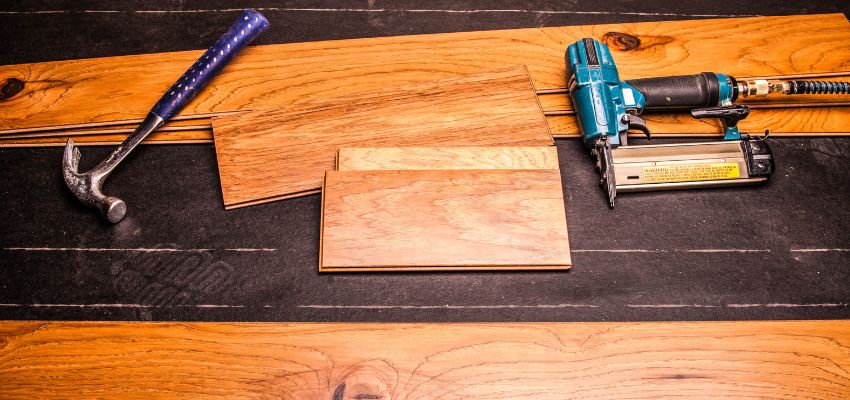
Hickory Wood: Built To Last, Designed To Impress
Hickory wood is strong, durable, and has a unique grain. This makes it ideal for furniture, flooring, and other high-impact uses. Selecting the right grade will help you achieve your desired look. Proper care will also preserve longevity. Hickory delivers timeless beauty and unmatched resilience for any project.
If you’re looking to use strong, timeless wood for your next project, source your materials from experts who understand timber’s history and quality. Vintage & Specialty Wood offers a curated selection of high-quality reclaimed and specialty woods to bring unmatched character and durability to your home.
Hire The Timber Experts For Your Next Project
Vintage & Specialty Wood should be your source of the highest quality timbers from around the world. When it comes to fabricating and installing reclaimed wood or specialty wood products in your home, we don’t cut corners. We offer many reclaimed wood and specialty wood products such as Douglas Fir, white oak, and much more. We also offer timber framing and wood flooring services as well. Contact our team today to speak to a timber expert about what Vintage & Specialty Wood can do for you.

This Blog Is Fact Checked
This content has undergone meticulous fact-checking by our team of internal experts. Gain a deeper understanding of the high editorial standards we uphold on our website here.

About The Author
Experience, exploration, and knowledge are the hallmarks of writer Rei Bayucca. Her dedication to crafting articles that both inspire and educate will leave you thinking long after you’ve finished reading.