Farmhouse Kitchen Cabinets: Timeless Ideas Built To Last
Published January 16, 2026
Does your kitchen lack the warm, inviting charm you’ve always wanted? Farmhouse kitchen cabinets offer rustic character and timeless appeal. They combine practical design with a cozy aesthetic. These durable cabinets turn your kitchen into the heart of the home. It becomes the perfect space for gathering, entertaining, and daily life. The cabinets are the centerpiece of this style. They shape the room’s character, influencing the layout, materials, hardware, and colors.
In this article, we’ll explore farmhouse kitchen cabinets in detail. We’ll cover their characteristics, materials, and colors. We’ll also look at rustic variations and layout options. This will help you design a kitchen that feels both classic and personal.
What Defines Farmhouse Cabinets
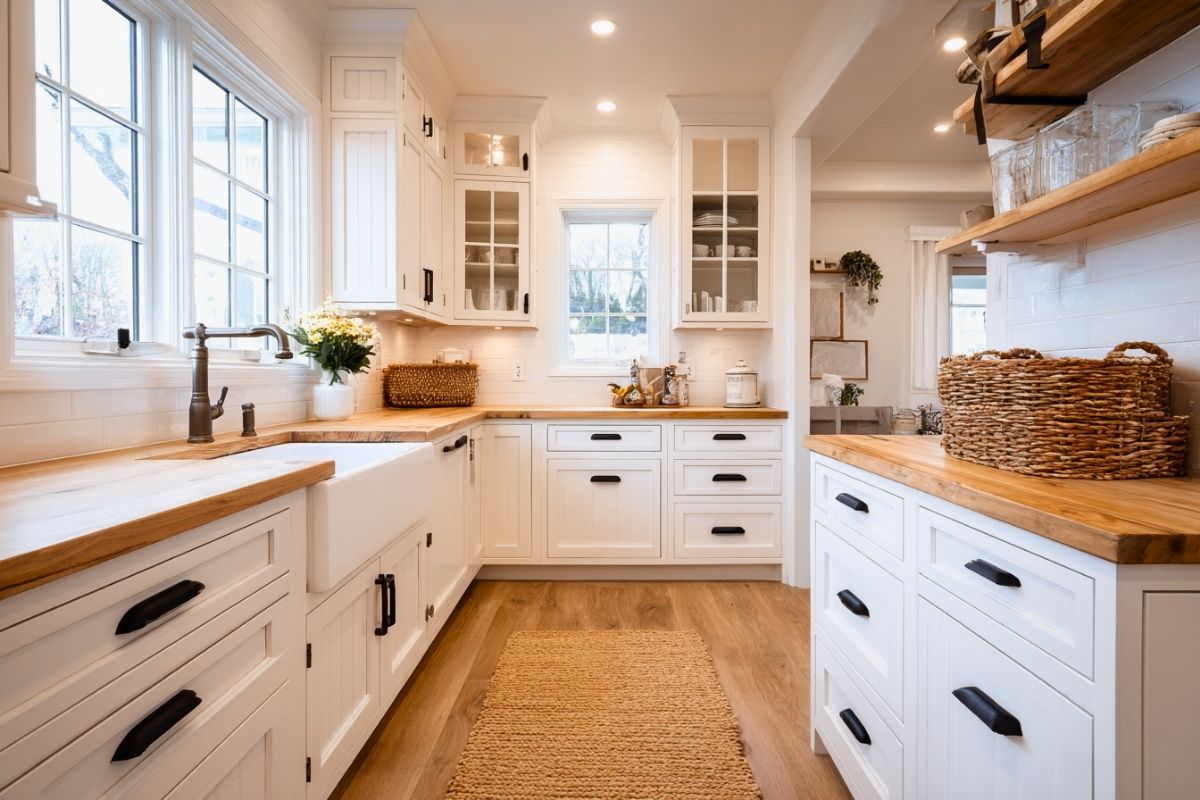
Farmhouse cabinets exude simplicity, durability, and a focus on utility. Forget intricate details. These cabinets focus on clean lines and straightforward construction. They offer a distinct handcrafted quality. Key elements like Shaker-style doors and beadboard panels define the look. Natural materials create a relaxed, lived-in feel. While the aesthetic is cozy, the design remains practical.
Why Choose Farmhouse Kitchen Cabinets For Your Home
Farmhouse cabinetry is a timeless style that adapts well to changing trends. It complements traditional, rustic, and modern interiors, making it a versatile, long-term choice. This style emphasizes usability, warmth, and understated elegance. It stays relevant over time. It also meets the demands of a busy kitchen.
Key Features That Make Farmhouse Cabinets Timeless
The longevity of farmhouse cabinets stems from their restrained design. Simple door profiles, high-quality materials, and functional hardware focus on utility over ornamentation. This approach creates an intentional and welcoming kitchen. It prioritizes timeless resilience over fleeting trends.
Core Elements Of Farmhouse Kitchen Cabinet Design
Cabinet Door Styles And Profiles
Door styles are a key element in defining farmhouse kitchens. Shaker-style doors, with flat panels and simple frames, are a top choice. Beadboard doors add texture for a cozy, cottage-style feel. Flat-panel doors offer a sleek transition between farmhouse and modern design.
Material Choices: Wood, Painted Finishes, And Rustic Options
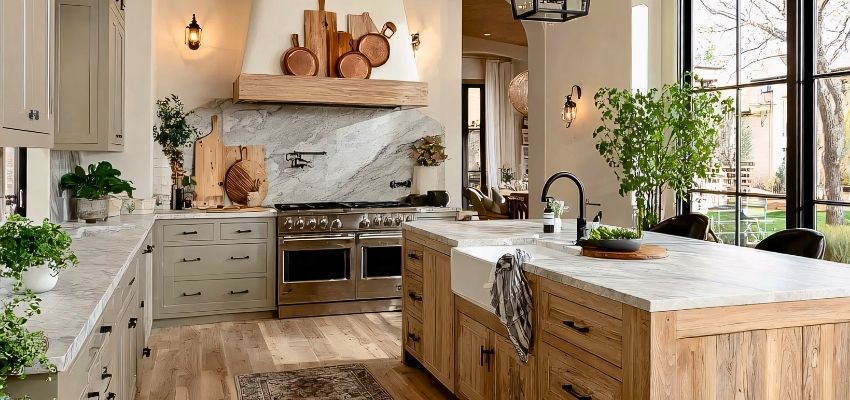
Wood is the foundation of farmhouse cabinetry. Oak, maple, and pine are popular choices. These woods are often stained to showcase their natural grain or painted for a softer look. White painted finishes are a hallmark of farmhouse style. Reclaimed wood adds unique texture and character for a more rustic feel.
Hardware And Accents That Enhance Rustic Charm
Cabinet hardware adds character without cluttering the design. Cup pulls, simple knots, and vintage latches work well with farmhouse cabinetry. Choose finishes like matte black, brushed nickel, or oil-rubbed bronze. These options complement the functional, understated style.
Open Vs. Closed Storage: Balancing Function And Style
Many farmhouse kitchens feature a mix of closed cabinets and open shelving. Closed cabinets maintain organization and create visual balance. In contrast, open shelves are perfect for displaying everyday dishes or decorative items. This adds to the kitchen’s cozy, lived-in feel.
How To Choose Wood For Your Carving Project
Aside from the green vs. dry debate, many other factors influence a wood’s suitability for carving.
Wood Species And Suitability For Carving Styles
Different carving styles call for different materials. Soft, fine-grained woods like basswood and butternut are ideal for whittling and chip carving. Stronger woods like walnut or oak work better for sculptural or structural projects.
Safety Of Use And Toxicity Considerations
Some woods release toxic dust or oils that can irritate your skin and lungs. Always research unfamiliar species before you start carving. Wear protective gear whenever necessary. Avoid highly toxic woods like yew or oleander unless you have professional safety measures in place.
Softness Vs. Hardness
The best carving wood balances ease of cutting with fine detail retention. Check the Janka hardness scale. Softer woods like basswood (410 lbf) are ideal for beginners. Harder woods like hickory (1820 lbf) are more rigid to carve but very durable.
Wood Integrity
Scrutinize the wood before you begin. Straight, even grain is easier to carve and results in cleaner cuts, while knots, cracks, and splits can disrupt your design and weaken the piece.
Moisture Content
The suitable moisture content for dried wood is between 6-12%. Wood that’s excessively dry can become brittle, while wood with too much moisture may crack over time. A moisture meter is a good investment for any serious carver.
Density And Strength
Denser woods offer greater strength and wear resistance. This makes them ideal for functional items. They’re also perfect for pieces that will be handled frequently. While they require more effort to carve, the result is often heirloom-quality work.
Most Popular Types Of Wood Among Carvers
Some woods are consistently popular because they balance workability with aesthetic appeal.
Basswood (Linden)
Universally hailed as the best choice for beginners, basswood is soft and has almost no grain, making it incredibly easy to work with. It cuts like butter but still holds detail well, making it perfect for practicing any carving style.
Walnut
Recognized for its rich, dark color and attractive grain, walnut is a moderately hard wood. It’s firm enough to hold incredibly fine detail yet soft enough to carve without excessive effort. This balance makes it a favorite for decorative sculptures and high-end pieces.
Alder
Alder is a softer hardwood with a subtle, straight grain and consistent texture. It offers slightly more resistance and a warmer tone than basswood, making it a great alternative. It carves smoothly and takes a finish well.
Elm
Elm is valued for its interlocking grain. This prevents splitting and creates striking wavy patterns in finished pieces. As a moderately hard wood with a fibrous texture, it requires sharp tools to achieve clean results.
Acacia
Acacia is a hard, dense wood known for its captivating grain pattern. While its durability makes it great for robust items, its hardness can be challenging. It’s best suited for intermediate to advanced carvers who have sharp tools.
Where To Find The Best Wood For Carving
Lumber Yards And Local Wood Suppliers
Visiting a local lumberyard lets you inspect the wood in person. These suppliers often stock common carving species, so be sure to ask for off-cuts or smaller blocks that are well-suited for your projects.
Online Retailers And Specialty Carving Stores
Online retailers and specialty shops offer pre-cut, knot-free wood blocks. They’re a convenient option for beginners and hobbyists.
Reclaimed, Fallen, And Sustainably Sourced Wood
Don’t underestimate the value of found wood. Fallen branches are perfect for practicing with green wood. Reclaimed pieces from old furniture or buildings also work well. These pieces often add a unique character to your projects. Just be sure to check reclaimed wood for hidden metal.
Many carvers use specialty suppliers for reclaimed, character-rich timber. These suppliers offer high-quality, visually distinctive material. For example, Vintage & Specialty Wood has a curated selection of reclaimed and specialty woods. Their wood is excellent for projects that need unique grain patterns.
Frequently Asked Questions
What is the best wood for carving for beginners?
Basswood is ideal for its softness and smooth, grain-free surface. Butternut and white pine are also great options for beginners.
Which types of wood for carving are easiest to work with?
Basswood, butternut, aspen, and alder are excellent choices for carving. Their soft texture and predictable grain make them easy to work with.
Is softwood or hardwood better for wood carving?
The terms “softwood” and “hardwood” refer to the type of tree, not how difficult the wood is to carve. Instead, focus on the wood’s actual hardness. Many hardwoods are soft enough for carving, while some softwoods can be surprisingly hard.
What is the most affordable good wood for carving?
Basswood, pine, and poplar are all affordable, widely available options perfect for practice.
What is the best wood for detailed and fine carving work?
Fine-grained woods like walnut, cherry, and pear are ideal for intricate designs because they hold crisp, sharp details.
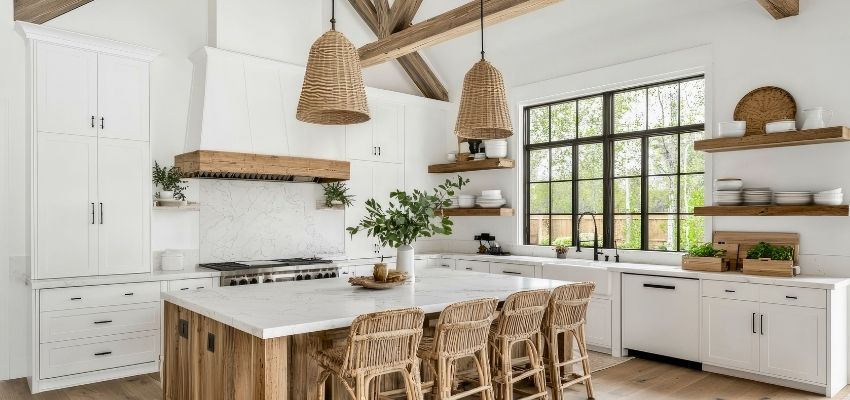
Creating A Farmhouse Kitchen That Feels Like Home
Farmhouse kitchen cabinets blend style, durability, and comfort all in one. Choose materials, colors, and hardware with care. Create a space that’s timeless and functional. Farmhouse cabinetry offers a versatile foundation for any kitchen. You can choose polished elegance or rustic charm. Either way, your kitchen will feel both unique and inviting.
Want an authentic rustic look? Use high-quality reclaimed wood. It’s perfect for your cabinets, island, or shelving. Explore the unique, history-rich timber from Vintage & Specialty Wood today.
Hire The Timber Experts For Your Next Project
Vintage & Specialty Wood should be your source of the highest quality timbers from around the world. When it comes to fabricating and installing reclaimed wood or specialty wood products in your home, we don’t cut corners. We offer many reclaimed wood and specialty wood products such as Douglas Fir, white oak, and much more. We also offer timber framing and wood flooring services as well. Contact our team today to speak to a timber expert about what Vintage & Specialty Wood can do for you.

This Blog Is Fact Checked
This content has undergone meticulous fact-checking by our team of internal experts. Gain a deeper understanding of the high editorial standards we uphold on our website here.

About The Author
Experience, exploration, and knowledge are the hallmarks of writer Rei Bayucca. Her dedication to crafting articles that both inspire and educate will leave you thinking long after you’ve finished reading.