A Guide To Choosing The Best Building Foundation Materials
Published February 12, 2026
Choosing the right building foundation materials is key to a lasting, sturdy structure. The wrong choice can cause issues like wall cracks, uneven floors, or collapse. A building’s strength depends on its base. The base must withstand shifting soil and moisture. The right materials ensure stability, durability, safety, and code compliance.
In this article, we’ll explore the world of building foundation materials, covering the main types and examining the factors that influence their selection. We’ll also look at how different materials perform in various conditions. With these basics in mind, you’ll be ready to make informed decisions that ensure a strong base for your project.
What Are Building Foundation Materials?
Building foundation materials form a structure’s base, whether natural, like stone and wood, or manufactured, such as concrete and steel. While their main job is to provide a stable base, they also support the building’s weight and resist pressure from soil and moisture. Materials commonly used include concrete, steel, masonry, wood, sand, and gravel.
Why Choosing The Right Materials Matters For Structural Integrity
A building’s structural integrity starts with its foundation. Choosing the right materials is crucial for stability. It prevents issues like uneven settling, cracking, and shifting. High-quality materials help the foundation support design loads. This ensures stability throughout the building’s lifespan. Ultimately, it safeguards both the structure and its occupants.
How Materials Influence Foundation Longevity And Cost
The choice of materials affects a foundation’s lifespan and cost. Poured concrete may cost more at first. Its durability, though, reduces repair expenses over time. Cheaper options might need more maintenance. Weigh the initial investment against long-term value when choosing materials.
Key Factors In Selecting Foundation Materials
When choosing the right foundation material, you need to think carefully. Consider both technical factors and your site’s conditions to achieve the best results.
Soil Type And Load-Bearing Capacity
The soil beneath a structure shapes material selection. Different soils, like clay, sand, or loam, have different load capacities. A geotechnical soil report analyzes soil properties and helps find the best foundation materials. Weak soils may need deep foundations, piles, or concrete solutions.
Climate, Moisture, And Drainage Considerations
Local climate affects foundation performance. Heavy rain or high groundwater calls for moisture-resistant materials. Concrete is a good option. Proper drainage prevents water from accumulating near the foundation. In colder regions, materials must endure freeze-thaw cycles without damage.
Budget, Building Codes, And Long-Term Value
Every project has a budget. But focus on long-term performance, not just initial cost. High-quality materials often give better value and fewer repairs. All materials must follow local building codes for safety and performance.
Project Type: Residential Vs Commercial Applications
The building’s use serves as the basis for material choice. Homes carry lighter loads and may use concrete blocks or treated timber in suitable cases. Commercial buildings need stronger systems. They often rely on steel-reinforced concrete for heavy loads and occupancy.
Common Types Of Building Foundation Materials
Builders can use a wide range of materials for foundations. Each material offers distinct advantages. The best choice depends on the site and project requirements.
Concrete And Concrete Blocks
Poured concrete and concrete blocks are the most common materials. Valued for strength, durability, and resistance to fire and moisture, concrete can be poured on-site to form slabs, footings, and basement walls. Concrete blocks, also called cinder blocks, provide a modular and cost-effective option. Often, these blocks are used to build foundation walls.
Steel (Reinforcement And Structural Usage)
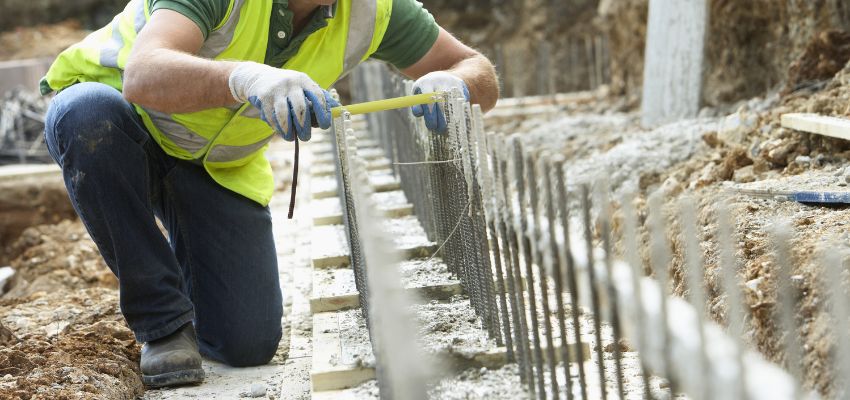
Steel is used to reinforce concrete foundations. Workers add reinforcement bars or mesh for strength. This helps concrete resist cracking and bending. In large projects, steel piles and beams are used. These transfer loads to stable soil layers.
Masonry: Brick And Stone Options
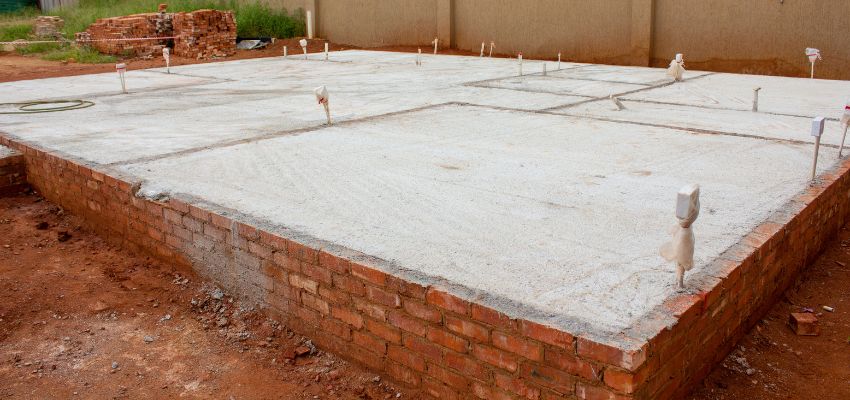
Brick and stone foundations are common in older buildings. Stone is durable but hard and expensive to build with. Brick foundations last long and resist fire. Masonry foundations are less common today. Some projects still use them for architectural or heritage reasons.
Wood And Treated Timber Foundations
Permanent wood foundations (PWFs) use pressure-treated or engineered timber, enabling them to resist moisture, decay, and insects. Well-suited to certain soil conditions, PWFs fit lighter buildings such as small homes, cabins, and extensions. Compared to concrete, wood foundations are easier to install in remote locations and can also be built during colder weather.
Aggregates, Sand, And Supplementary Materials (E.G., Fly Ash)
Gravel, crushed stone, and sand are the main aggregates. They make a stable sub-base and improve drainage under slabs and footings. Fly ash and other materials are added to concrete to boost strength and durability. They also reduce cement use and lower the environmental impact.
Material Performance: Strengths And Limitations
You should carefully evaluate the unique performance characteristics of each foundation material before you make your choice.
Durability And Load Capacity
Concrete and steel-reinforced concrete are durable with high load capacity. They suit most projects. Stone foundations also offer long-term strength. Treated wood can work too, but only for lighter loads.
Resistance To Water, Pests, And Environmental Stressors
Concrete resists moisture and pests. Poor installation can still cause freeze-thaw cracks. Treated timber resists insects and decay, but needs good drainage. Steel must be protected from moisture to avoid rust.
Maintenance Requirements And Lifespan
Concrete and masonry need little maintenance and can last decades. Crack sealing and waterproofing are usually sufficient. Wood needs more inspections. Drainage and moisture control are key to wood upkeep.
Cost Vs Performance Trade-Offs
Poured concrete foundations cost more upfront than blocks or treated wood. But their strength, durability, and low maintenance make them economical long-term. Balance upfront costs, long-term performance, and site conditions when choosing materials.
Best Practices For Choosing And Using Foundation Materials
- Structural Engineers and Soil Reports: A structural engineer designs the foundation system. They use site investigation data to select suitable materials. Engineers consider loads, soil conditions, and environmental exposure when making their selection.
- Building Codes and Local Regulations: Builders must meet local building regulations in foundation construction. These regulations define material quality, reinforcement, and installation practices.
- Quality Assurance: Builders test concrete for compressive strength. Steel must meet required grades. Use only tested and approved materials. This ensures the foundation performs as intended.
- Sustainable and Eco-Friendly Material Options: For sustainability, use concrete with recycled materials. Choose responsibly sourced timber for wood. Smart design and planning also reduce waste.
Frequently Asked Questions
What is the most durable foundation material?
Steel-reinforced poured concrete is highly durable. It offers strength, stability, and resistance to environmental factors.
How does soil condition affect material choice?
Soil conditions dictate the foundation type. While shallow foundations may suit some sites, other situations require deep systems. Expansive soils often need engineered concrete, whereas well-draining sandy soils may need wider footings for load distribution.
Are steel reinforcements always necessary?
Most concrete foundations need steel reinforcement. This adds tensile strength and controls cracking caused by bending or loading forces.
Can treated wood be used for home foundations?
Yes. Permanent wood foundations use pressure-treated lumber. Many areas approve them for residential construction. However, installers must provide proper drainage and moisture protection.
How do costs compare across foundation materials?
Generally, poured concrete has the highest initial cost, followed by concrete blocks. Treated wood foundations are usually the most budget-friendly option. However, final costs depend on several factors. These include local material prices, labor rates, and project complexity.
Build With Confidence: Choosing Building Foundation Materials That Protect Your Investment
Choosing the right foundation materials is crucial. It ensures your structure is safe, durable, and long-lasting. When selecting materials, consider several factors. These include soil type, climate, budget, and project requirements. This will help you balance performance, cost, and longevity. Steel-reinforced concrete is often the best choice. It offers both strength and versatility. However, materials like stone may be better for certain situations. The next step is to consult with a structural engineer and a qualified contractor to create a solid plan for your foundation project.
Considering a specialty wood application for your project? For projects that value the character of timber, explore high-quality reclaimed and specialty wood. For beams, posts, and other structural elements, connect with Vintage & Specialty Wood to find the perfect material for your design.
Hire The Timber Experts For Your Next Project
Vintage & Specialty Wood should be your source of the highest quality timbers from around the world. When it comes to fabricating and installing reclaimed wood or specialty wood products in your home, we don’t cut corners. We offer many reclaimed wood and specialty wood products such as Douglas Fir, white oak, and much more. We also offer timber framing and wood flooring services as well. Contact our team today to speak to a timber expert about what Vintage & Specialty Wood can do for you.

This Blog Is Fact Checked
This content has undergone meticulous fact-checking by our team of internal experts. Gain a deeper understanding of the high editorial standards we uphold on our website here.

About The Author
Experience, exploration, and knowledge are the hallmarks of writer Rei Bayucca. Her dedication to crafting articles that both inspire and educate will leave you thinking long after you’ve finished reading.