Dark Wood Types Explained: Colors, Grains, And Best Uses

Published December 6, 2025
Dark wood types are admired for their rich tones, dramatic grains, and inherent strength. Species ranging from the warm, reddish-brown of Mahogany to the near-black of Ebony bring depth and character to any space. Their density and durability make them ideal for furniture, flooring, cabinetry, and architectural details. The natural beauty of dark wood types elevate interior styles from classic to contemporary.
In this article, we’ll explore the characteristics, strengths, and limitations of dark wood types. We’ll highlight the most popular species and offer guidance on selecting the right option for your project. You’ll learn how grain, texture, and resistance affect performance. Discover how to balance beauty, function, and durability.
Why Dark Woods Matter—Beauty, Strength, And Versatility
What Are “Dark Wood Types?”
Dark wood refers to species with naturally deep, rich heartwood tones—ranging from dark browns and reddish hues to nearly black. These woods are typically dense hardwoods known for their strength and structural integrity. Their grains vary widely. Mahogany has fine, straight patterns. Wenge features a bold, streaked look. Each species has a unique visual personality.
Dark woods provide more than visual impact. Their density resists wear, dents, scratches, pests, decay, and moisture. When maintained, high-quality pieces often last for generations.
Aesthetic Appeal: How Dark Wood Complements Design Schemes
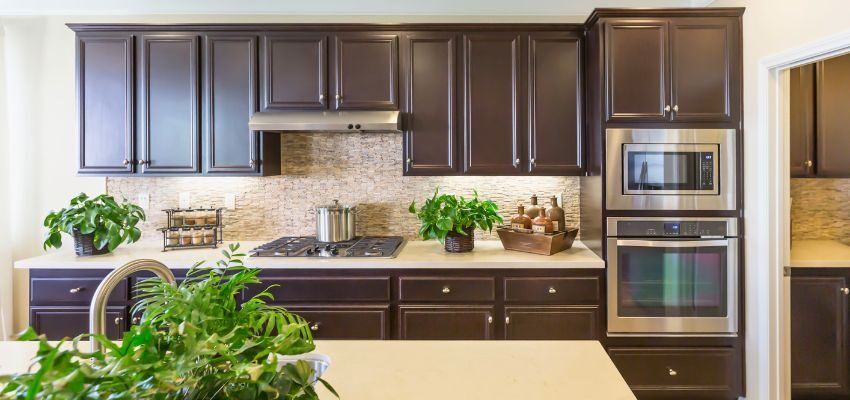
With their deep tones and distinctive grains, dark woods bring warmth, drama, and refinement to interiors. Walnut floors add warmth to contemporary homes. Mahogany cabinetry enhances traditional kitchens. Their rich colors make them stand out or pair beautifully with lighter materials. The result is a balanced, timeless design.
Pros And Cons Of Dark Wood Types
Pros
- Exceptional durability: Strong, dense, and built to withstand daily use
- Natural resistance: Many dark woods naturally resist pests and decay
- Rich aesthetics: Deep tones and striking grain patterns elevate any space with minimal finishing.
- Long-lasting: High-quality pieces can endure for decades
- Premium appeal: Their weight, color, and texture exude craftsmanship and luxury
Cons
- Cost: Many dark woods are rare, which can increase their price
- Workability: Their high density can make them more difficult to cut and shape
- Sourcing: Some species have limited availability or raise sustainability concerns
- Visible scratches: Surface damage is more noticeable on darker finishes
Ideal Project Scenarios
Dark woods are ideal for projects needing durability and visual appeal, like high-end furniture, premium flooring, decorative millwork, and musical instruments. Teak and Wenge excel where moisture or heavy wear is a concern.
For projects requiring unique character or sustainably sourced materials, reclaimed dark woods from suppliers such as Vintage & Specialty Wood offer distinct grain patterns and environmentally conscious options not typically found in new lumber.
When Lighter Woods May Be Better
For beginners or hand tool users, lighter hardwoods may be more practical. Pale woods fit light, airy, or minimal styles with better balance.
Popular Dark Wood Types And Their Unique Characteristics
Mahogany
Mahogany’s classic reddish-brown tones deepen beautifully with age. Valued for its straight, fine grain, it’s relatively easy to work with compared with many dense hardwoods. Common uses include fine furniture and cabinetry. It’s also used in boat building and musical instruments. These applications require both stability and elegance.
Walnut
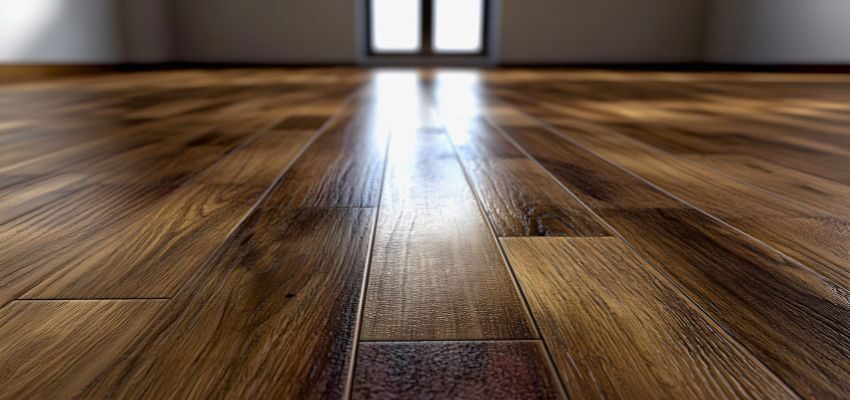
Walnut features rich chocolate-brown hues and a mix of straight and figured grain patterns. Its balance of strength and workable density makes it a popular choice for furniture, veneers, gunstocks, and interior paneling. Walnut’s natural warmth suits a variety of styles, from traditional to modern.
Wenge
Wenge is known for its dark brown heartwood with distinctive black streaks, giving it a bold, graphic aesthetic. Extremely hard and dense, it’s highly durable but can be challenging to work with. It’s often used for upscale flooring, musical instruments, and design elements that call for dramatic contrast.
Teak
Teak begins as a golden to medium brown wood that darkens over time. Teak has a high natural oil content. This makes it exceptionally resistant to water, rot, and insects. These qualities make it suitable for outdoor furniture and boat decks. It’s also great for humid spaces like bathrooms.
Ebony
One of the darkest woods available, Ebony’s heartwood ranges from deep brown to nearly jet black. It’s extremely hard and fine-textured, polishing to a stunning finish. Ebony is rare and expensive. It’s mainly used for decorative accents, inlays, and carvings. It’s also used for parts of musical instruments like fingerboards and keys.
How Color, Grain, And Texture Affect Choice—What To Match With Your Project
Grain Patterns
Grain plays a major role in the wood’s final appearance. Species like Mahogany have a straight grain. This creates a clean, uniform look. It’s well-suited for formal and classic designs. Figured or irregular Walnut adds movement and visual interest. Wenge has bold streaks, creating a strong contemporary statement.
Texture And Workability
Harder, denser woods like Wenge and Ebony offer exceptional durability but require more effort and stronger tools to shape. Softer hardwoods such as Walnut are easier to carve and join. Texture also influences the final finish. Fine-grained woods polish easily. Open-grained species may need filling to achieve a smooth surface.
Resistance
For outdoor or moisture-prone environments, choose naturally resistant woods. Teak is the gold standard for weather resistance, while Wenge’s density provides excellent durability for heavy-use items.
Aesthetic Match
Choose a wood that complements your design goals. Straight-grained Mahogany or Walnut works well for both traditional and modern interiors. A striking live-edge Walnut slab suits rustic or industrial styles. The near-black tones of Ebony or the bold contrast of Wenge amplify contemporary or Art Deco-inspired spaces.
How To Choose The Right Dark Wood For Your Project — Practical Tips And Considerations
- Assess the project type. Identify how the wood will be used—flooring, cabinetry, furniture, outdoor structures, or decorative accents. Your project’s function will guide key decisions.
- Match wood properties to your needs. Choose woods based on hardness, workability, grain type, and maintenance requirements. Hardwoods work well for flooring; workable species shine in carving or joinery; moisture-resistant woods excel outdoors.
- Budget and availability. Some dark woods, like Walnut, offer a strong balance between cost and performance. Exotic woods like Ebony, while beautiful, come at a premium. Balance your design goals with budget constraints.
- Sustainability and sourcing. Opt for responsibly harvested wood certified by groups like the Forest Stewardship Council (FSC). Sustainable sourcing protects forests and supports ethical production practices.
Frequently Asked Questions
Are all dark woods equally durable and hard?
No. While most are hardwoods, species vary widely. Wenge and Ebony are extremely hard, while some Mahogany and Walnut types are softer but still durable for most interior uses.
Can dark woods lumber be used outdoors or in humid environments?
Yes, if the species is suited for it. Teak excels outdoors due to its natural oils. Other species can be used outside if treated properly, though many dark woods are best preserved indoors.
Do dark wood names matter when shopping — how to ensure you get genuine species, not mislabelled wood?
Absolutely. Wood names are often misused. Always purchase from reputable suppliers and verify the scientific name to ensure you’re getting the genuine species.
Crafting Timeless Designs With The Right Dark Wood Types
Choosing the right dark wood means balancing aesthetics, performance, and practicality. Whether you prefer the timeless warmth of Mahogany, the contemporary contrast of Wenge, or the unmatched durability of Teak, there’s a dark wood suited to your project’s needs. With thoughtful selection, these dark wood types can provide decades of beauty and reliability.
Ready to find the perfect timber for your project? Whether you’re seeking reclaimed beams, specialty hardwoods, or unique character pieces, Vintage & Specialty Wood offers high-quality materials that bring history, depth, and strength to your design. Explore their collection to find wood that elevates your space with authenticity and style.
Hire The Timber Experts For Your Next Project
Vintage & Specialty Wood should be your source of the highest quality timbers from around the world. When it comes to fabricating and installing reclaimed wood or specialty wood products in your home, we don’t cut corners. We offer many reclaimed wood and specialty wood products such as Douglas Fir, white oak, and much more. We also offer timber framing and wood flooring services as well. Contact our team today to speak to a timber expert about what Vintage & Specialty Wood can do for you.

This Blog Is Fact Checked
This content has undergone meticulous fact-checking by our team of internal experts. Gain a deeper understanding of the high editorial standards we uphold on our website here.

About The Author
Experience, exploration, and knowledge are the hallmarks of writer Rei Bayucca. Her dedication to crafting articles that both inspire and educate will leave you thinking long after you’ve finished reading.