Benefits Of A Permanent Wood Foundation
Published December 2, 2025
When you picture a home’s foundation, concrete likely comes to mind. But modern building science has transformed what’s possible. Wood foundations have emerged as a durable, efficient, and cost-effective alternative. Are you planning a new build? Are you evaluating foundation options or exploring innovative construction methods? Understanding wood foundation benefits can help you make a more informed decision.
In this article, we’ll explore how wood foundations work. We’ll cover why more homeowners and builders are choosing them. We’ll also help you decide if they’re right for your project.
What Is A Wood Foundation?
Defining Permanent Wood Foundation (PWFs)
A permanent wood foundation (PWF) is a structural system made of pressure-treated wood. This wood is engineered to resist rot, decay, and insects. PWFs are designed to meet strict building standards. They can be used for the foundation walls of homes, cabins, additions, and even finished basements.
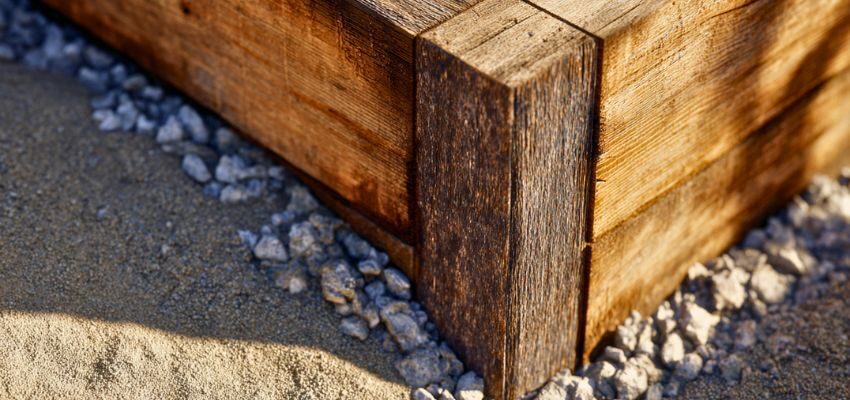
Instead of concrete footings, PWFs sit on a bed of compacted gravel or crushed stone. This allows for natural drainage and helps prevent moisture buildup around the structure.
How A Wood Foundation Works
A typical permanent wood foundation (PWF) includes:
- Pressure-treated wood wall panels
- Insulation between the studs
- Moisture barriers and protective sheathing
- A gravel or stone drainage layer
- Connection to a standard wood frame above
Many homes already use wood-framed walls on upper floors. A PWF extends this method to the foundation. This creates a durable, seamless system that’s easy to build and maintain.
Core Wood Foundation Benefits
Faster, More Efficient Construction
One major advantage of wood foundations is their quick installation. Wood panels can be assembled with standard carpentry tools. There’s no need to wait for the concrete to cure. This allows construction to continue even in cold or wet weather. Their lightweight design is also ideal for remote or hard-to-reach sites. Transporting concrete to these locations can be expensive or challenging.
Superior Insulation, Energy Efficiency, And Comfort
Wood offers better insulation than concrete. It helps maintain stable temperatures and reduces heat loss. When paired with high-R-value insulation, wood foundations create warmer, more comfortable basements. This improves thermal efficiency and lowers energy bills. PWFs are ideal for finished basements, living spaces, or home offices where comfort matters.
Flexible Design And Easy Customization
Wood foundations offer much more flexibility than rigid concrete walls. They make it simple to:
- Add windows, doors, or walkout areas.
- Run electrical wiring, plumbing, or HVAC systems.
- Install shelving or built-ins.
- Finish interior walls with standard drywall.
Because PWFs are installed like framed walls, subsequent modifications or expansions are more straightforward and cost-effective.
Lightweight Materials For Challenging Building Sites
Wood foundations make building on steep, wooded, or remote lots far more manageable. Their lighter weight simplifies transportation and eliminates the need for heavy concrete equipment. This makes PWFs an ideal choice for cabins, off-grid homes, and rural projects where concrete access is limited.
Environmental Sustainability
Wood foundations offer an eco-friendly alternative to concrete. They use renewable materials and require less energy to produce. They also help reduce carbon emissions from cement production. Wood is lighter to transport, so a PWF has a smaller environmental footprint. This is a big win for sustainability-focused homeowners.
Essential Considerations And Drawbacks
Moisture And Drainage Requirements
Proper drainage is essential for a wood foundation. Key components include:
- A gravel drainage layer
- Waterproof membranes
- Effective exterior moisture control
When installed correctly, moisture levels are rare. However, cutting corners can lead to serious problems.
Climate And Soil Conditions
PWFs are best suited for:
- Well-drained soil
- Stable, moderate climates
- Areas with controlled ground moisture
Areas with high water tables or poor drainage may need extra engineering. This makes them less suitable for wood foundations.
Perception And Resale Value
PWFs are approved by building codes. However, some homebuyers still prefer concrete foundations because they’re more familiar with them. This preference can affect the resale value of a home, depending on the local market.
Availability Of Skilled Installers
Not all contractors are experts in PWFs. Hiring a skilled professional ensures the system is code-compliant and reliable for the long term.
Is A Wood Foundation Right For Your Project?
Choosing the right foundation isn’t just about preference. Consider your site conditions, climate, soil type, budget, and long-term plans. A wood foundation could be the perfect fit if you’re looking for:
- A warm, comfortable finished basement
- Faster construction times
- Sustainable building materials
- A customizable design
- A practical option for a remote location
However, if your site has drainage issues or a high water table, you may need additional engineering or a different type of foundation.
Best Practices For Building With A Wood Foundation
Hire Skilled Professionals
A permanent wood foundation (PWF) is a code-compliant system. Its performance depends on proper installation. To ensure moisture control, structural integrity, and durability, hire an experienced PWF builder.
Prioritize Proper Drainage And Moisture Management
Proper drainage is essential for a wood foundation’s longevity. Key components include:
- A well-compacted gravel or crushed stone footing
- A continuous perimeter drainage system
- Effective grading to direct water away from the house
- High-quality waterproof membranes and vapor barriers
When these components are installed correctly, moisture problems are rare.
Use Certified, Approved Materials
Always use pressure-treated lumber rated for ground contact and compliant with applicable building codes. Certified materials ensure resistance to decay, mold, and pests, supporting long-term structural performance.
Conduct Soil And Site Evaluations Early
The feasibility of a wood foundation is influenced by soil type, drainage patterns, and water-table height. A site evaluation will determine if additional engineering or drainage features are required.
Ongoing Foundation Maintenance
While wood foundations are low-maintenance, regular inspections are key to preserving their integrity. To ensure your permanent wood foundation (PWF) lasts for decades, you should:
- Inspect drainage systems annually.
- Ensure gutters and downspouts are clear and working correctly.
- Maintain a gentle slope in the grading to direct water away from the structure.
Frequently Asked Questions
Are wood foundations as durable as concrete?
Pressure-treated lumber is durable, resisting moisture, decay, rot, and insect damage. When installed with proper drainage, PWFs can provide lifespans comparable to concrete systems.
Are basements with wood foundations more energy-efficient than concrete?
Yes. Wood is a natural insulator, unlike concrete. It’s also easy to add high R-value insulation to the wall cavities, which helps the basement stay warmer, drier, and more energy-efficient. This reduces heat loss and makes your home more comfortable.
Are wood foundations environmentally friendly?
Yes, wood foundations are more environmentally friendly. Wood is a renewable resource with a reduced carbon footprint.
When is a wood foundation not recommended?
Wood foundations are not ideal for sites with poor soil drainage, a high water table, or in flood-prone areas. They may also pose challenges in regions where they are uncommon. This could potentially impact resale value, financing, or insurance.
Why Wood Foundations Are Worth A Second Look
Wood foundations offer several key benefits. They blend efficiency, comfort, sustainability, and flexibility. These are all qualities that modern builders value. While proper installation and site assessment are essential, the wood foundation benefits make them a compelling alternative to traditional concrete. For many homes, wood is not just a viable foundation material—it’s a smart and forward-thinking choice.
Building a lasting structure requires materials you can trust. If your project needs the beauty and strength of quality wood, check out Vintage & Specialty Wood. As a premier provider of reclaimed and specialty timbers, they can help you source the perfect materials to bring your vision to life.
Hire The Timber Experts For Your Next Project
Vintage & Specialty Wood should be your source of the highest quality timbers from around the world. When it comes to fabricating and installing reclaimed wood or specialty wood products in your home, we don’t cut corners. We offer many reclaimed wood and specialty wood products such as Douglas Fir, white oak, and much more. We also offer timber framing and wood flooring services as well. Contact our team today to speak to a timber expert about what Vintage & Specialty Wood can do for you.

This Blog Is Fact Checked
This content has undergone meticulous fact-checking by our team of internal experts. Gain a deeper understanding of the high editorial standards we uphold on our website here.

About The Author
Experience, exploration, and knowledge are the hallmarks of writer Rei Bayucca. Her dedication to crafting articles that both inspire and educate will leave you thinking long after you’ve finished reading.