Complete Guide To Plywood Grades: What A, B, C, And D Mean
Published March 3, 2026
Overwhelmed by plywood options at the hardware store? You’re not alone. Sorting through stacks marked with different letters and codes can be confusing. Choosing the right grade ensures your project turns out well, whether it’s kitchen cabinets or a subfloor. Understanding the different plywood grades ensures you get the appropriate quality and appearance for your work.
In this article, we’ll break down the plywood grading system so you can understand exactly what grades A, B, C, and D mean, how combination grades work, and which options are best for specific projects. By the end, you’ll know how to choose the right plywood without overspending.
What Are Plywood Grades?
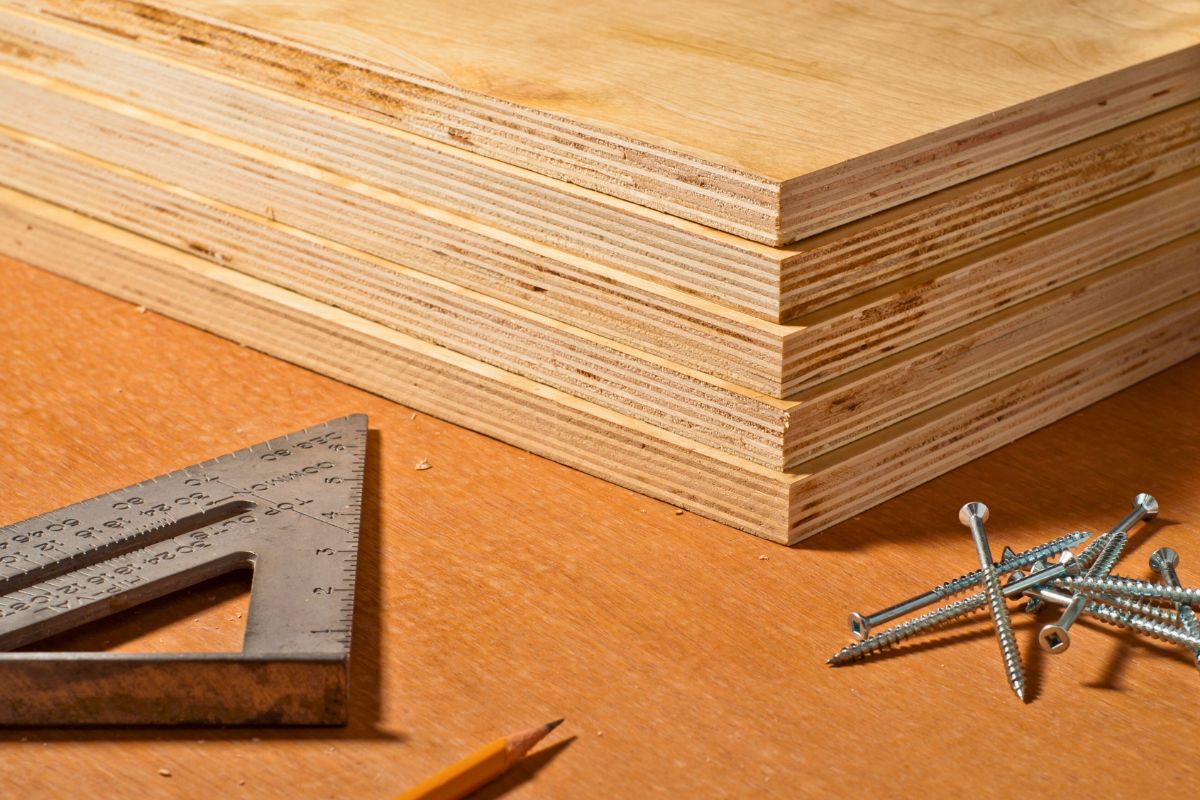
Plywood grades are a standardized system that classifies the quality of a panel’s wood veneers. These grades are assigned by manufacturers, mainly based on the appearance and condition of the face veneer.
The letters A, B, C, and D imply surface smoothness and visible defects, focusing on appearance, not strength or thickness.
Why Plywood Grading Affects Quality, Strength, And Appearance
The grade of plywood determines its suitability for different uses. Higher grades have smooth, refined surfaces for visible applications, while lower grades with knots or splits suit hidden or structural uses.
Choosing the correct grade helps you avoid two common mistakes:
- Overpaying for a high-quality surface that won’t be visible
- Using rough, unfinished panels where a smooth finish is needed
How The Plywood Grading System Works In The U.S.
In the United States, plywood panels are graded based on the quality of their face (front) and back veneers. Each sheet is typically labeled with two letters, such as AC or BC, indicating the grade of each side.
The first letter refers to the face veneer, the second to the back. This system enables selecting panels with a finished look on one side and reduced cost on the other.
Breakdown Of Plywood Grades: What A, B, C, And D Mean
A-Grade Plywood
A-grade plywood represents the highest surface quality available. It features a smooth, sanded veneer with few, if any, visible defects. Because of its clean surface, it’s ideal for high-end applications where appearance is critical, such as:
- Custom cabinetry
- Fine furniture
- Built-ins
- Projects requiring a stained or painted finish
B-Grade Plywood
B-grade plywood has small knots and patched areas. These spots are repaired and sanded for a smooth surface. Minor filled spots may still be visible.
It’s ideal for:
- Cabinet interiors
- Painted furniture
- Shelving
- Utility pieces where appearance is important but doesn’t need to be flawless
C-Grade Plywood
C-grade plywood is typically unsanded and can have visible defects like knots, splits, and discoloration. Tight knots up to 1.5 inches are common. Since appearance is secondary to function, builders often use C-grade panels for structural purposes where they will be covered, such as:
- Subflooring
- Roof decking
- Wall sheathing
D-Grade Plywood
D-grade plywood is the most affordable option. It can have large knots, open voids, and other unrepaired defects.
Because of its appearance, D-grade plywood is best used for:
- Hidden structural elements
- Temporary construction
- Areas that will be completely covered
Comparing A Vs. B Vs. C Vs. D: Key Differences At A Glance
- Grades A and B: Ideal for visible surfaces
- Grades C and D: Best for structural or hidden applications
- Higher grades: Fewer surface imperfections
- Lower grades: More affordable, suited for concealed use
The grading system focuses on surface appearance, not structural strength.

What Do Combination Plywood Grades (Like AC, BC, And CDX) Mean?
How Face And Back Grades Are Assigned
Most plywood panels are made with a combination of grades, such as:
- AC plywood: A-grade front, C-grade back
- BC plywood: B-grade front, C-grade back
This approach provides a high-quality visible surface while avoiding the cost of premium veneers on both sides.
What “X” Means In CDX Plywood
In CDX plywood, the “X” represents the type of adhesive used between layers. It signifies an exposure-rated glue that can withstand temporary moisture during construction. CDX is primarily designed for structural exterior use.
When To Choose AC Vs. BC Vs. CDX
- AC plywood: Ideal for cabinets, shelving, and visible surfaces
- BC plywood: Great for utility furniture and garage storage
- CDX plywood: Best for subfloors, roof decking, and wall sheathing
Each type serves specific needs based on surface quality and exposure.
Types Of Plywood And How Grading Applies
Softwood Vs. Hardwood Plywood Grades
Softwood plywood is graded using the A-D system previously described, while hardwood plywood uses a slightly different scale:
- Faces are graded from A to D.
- Backs are graded from 1 to 4.
For instance, an A1 hardwood panel has a premium-quality face and back, making it ideal for high-end furniture.
Interior Vs. Exterior Plywood Grading
Plywood is also classified by its adhesive durability:
- Interior plywood is made with glue suited for dry conditions.
- Exterior plywood uses waterproof adhesives to withstand weather exposure.
Always check the manufacturer’s stamp for the exposure rating before using plywood outdoors.
Structural Vs. Decorative Applications
Structural plywood is strong and affordable. Decorative plywood prioritizes surface finish and looks. Knowing the difference helps you choose the right option. A higher grade isn’t always better for every project.
Choosing The Right Plywood Grades For Your Project
Best Grades Of Plywood For Cabinets And Furniture
- Visible cabinet faces: Use A-grade or A1 hardwood plywood.
- Cabinet boxes and interiors: B-grade plywood is sufficient
Pro-tip: Use premium surfaces only where they’ll be visible to save money.
Recommended Plywood Grades For Flooring And Subfloors
CDX plywood is a popular choice for subflooring because of its structural strength and exposure-rated adhesive. Surface smoothness is not a concern for this use.
Plywood Grading For Roofing And Sheathing
For roofing and wall sheathing, C-grade or CDX plywood offers a durable and cost-effective structural base before the final coverings are added.
Budget Considerations
Panels with fewer surface defects are more expensive.
To stay on budget:
- Use A-grade panels where appearance is important.
- Use C or D grades for hidden structural layers.
Choose grades wisely to significantly lower your costs.
How To Inspect Plywood Grades Before Buying
Visual Indicators Of Each Grade
- A-grade: Smooth, even surface
- B-grade: Small, filled patches
- C and D grades: Visible knots and rough texture
Checking For Voids, Knots, And Repairs
Inspect the panel edges for internal gaps, known as voids. Higher-quality panels have fewer voids, which improves their cutting precision and durability.
Understanding Manufacturer Stamps And Labels
The manufacturer’s stamp on the plywood panel provides crucial information, including:
- Face and back grades
- Wood species
- Exposure rating
Always verify this information before purchasing to ensure the plywood meets your project’s needs.
Frequently Asked Questions
Which plywood grade is best for cabinets?
For visible cabinet components, choose A-grade or AB-grade plywood. For hidden parts, like the cabinet boxes, B-grade is a suitable choice.
What is CDX plywood used for?
CDX plywood is a versatile material. It’s often used for structural sheathing, subfloors, and roof decking. It provides durability and moisture resistance during construction.
Is A-grade plywood waterproof?
No, A-grade refers to the surface quality, not its water resistance. For moisture-prone applications, choose exterior or marine-grade plywood.
How does plywood grading affect price?
High-grade panels have fewer defects but cost more. Lower-grade panels are cheaper and better for hidden structural elements.
Build Smarter Projects By Mastering Plywood Grades
Understanding plywood grades helps you save time and money. By choosing the right material for your project, you can use higher grades for visible surfaces and avoid overpaying for A-grade plywood that will be covered. A combination of grades like AC or BC offers a good balance of quality and cost. Always check the exposure rating for moisture resistance to ensure your materials last. With this knowledge, you can choose wisely for your build.
If you want to elevate your project beyond standard hardware store materials, consider using reclaimed or specialty timber. Vintage & Specialty Wood offers distinctive wood products that add character and warmth to furniture, walls, and custom builds. Explore their inventory to find materials that bring your vision to life.
Hire The Timber Experts For Your Next Project
Vintage & Specialty Wood should be your source of the highest quality timbers from around the world. When it comes to fabricating and installing reclaimed wood or specialty wood products in your home, we don’t cut corners. We offer many reclaimed wood and specialty wood products such as Douglas Fir, white oak, and much more. We also offer timber framing and wood flooring services as well. Contact our team today to speak to a timber expert about what Vintage & Specialty Wood can do for you.

This Blog Is Fact Checked
This content has undergone meticulous fact-checking by our team of internal experts. Gain a deeper understanding of the high editorial standards we uphold on our website here.

About The Author
Experience, exploration, and knowledge are the hallmarks of writer Rei Bayucca. Her dedication to crafting articles that both inspire and educate will leave you thinking long after you’ve finished reading.