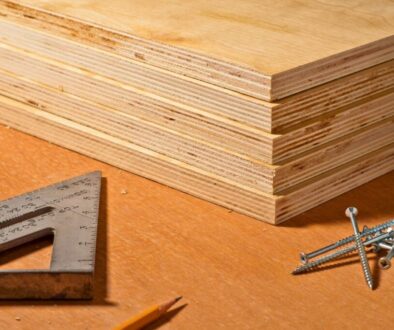
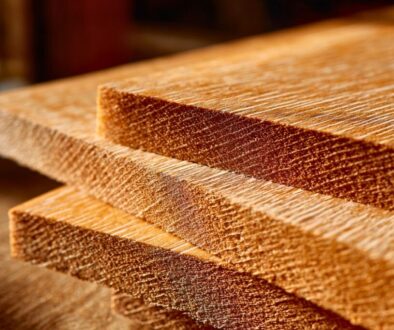
Pine Wood Vs Oak: A Guide For Furniture And Wood Projects

Published March 11, 2026
When planning a home improvement project, your choice of materials is crucial. Imagine spending weeks crafting a beautiful custom dining table, only to see it dented and scratched after a few family dinners. This is the frustrating reality of picking the wrong wood. Choosing the right lumber, such as pine wood, can turn a basic room into a comfortable, stylish sanctuary. Whether you’re building furniture or updating baseboards, understanding different wood types helps you choose the right materials for your project.
In this article, we’ll explore the key differences between pine wood and oak to help you make an informed decision for your next build. We’ll compare their durability, cost, appearance, and workability.
Understanding Pine Wood And Oak For Home Projects
The wood you select influences how your furniture and DIY projects perform over time. Different species react uniquely to moisture, heavy use, and environmental changes. Choosing the right material helps prevent premature wear, warping, or unnecessary costs.
A comparison of pine wood and oak reveals two popular yet distinct materials. Pine, a softwood, offers affordability, light weight, and warm, rustic character. Oak, a dense hardwood, is recognized for its strength, endurance, and traditional appearance.
Homeowners typically choose between pine and oak for interior projects such as bed frames, shelving, flooring, or cabinetry. Each wood presents unique advantages and limitations. Understanding their characteristics is crucial to balancing design objectives with budget and durability considerations.
What Is Pine Wood?
What Makes Pine Wood Unique
Pine comes from fast-growing evergreen conifer trees, making it one of the most abundant and sustainable building materials available.
As a softwood, pine has a lower density than hardwoods. This makes it lighter and easier to cut, shape, and install, which is why it’s popular in both professional construction and DIY woodworking.
Pine usually has a light yellowish-brown tone. This tone deepens with sunlight exposure. Over time, it adds warmth and character to the wood.
Common Uses Of Pine Wood In Furniture And DIY Projects
Pine’s workability and availability make it popular for interior uses such as wall paneling, ceiling beams, trim, and shelving. It’s also a popular choice for bedroom furniture like dressers, bed frames, and nightstands, where it doesn’t need to support heavy loads.
Advantages Of Pine Wood
- Pine’s biggest advantage is its affordability due to its fast growth and wide availability, making it cost-effective for large-scale projects and renovations.
- Pine is also easy to work with, making it ideal for DIY enthusiasts and beginner woodworkers. It’s simpler to cut, sand, and fasten than harder woods.
- Pine’s signature knots and smooth grain provide a warm, natural look. This makes it a great fit for rustic, farmhouse, and cottage-style interiors.
Potential Drawbacks Of Pine Wood For Furniture
- The main drawback of pine is its softness. It’s more prone to dents, scratches, and general wear, which over time can give it a rustic, “lived-in” look.
- Pine is also more sensitive to changes in humidity and temperature. If not properly sealed and finished, the wood can expand, contract, or even warp.
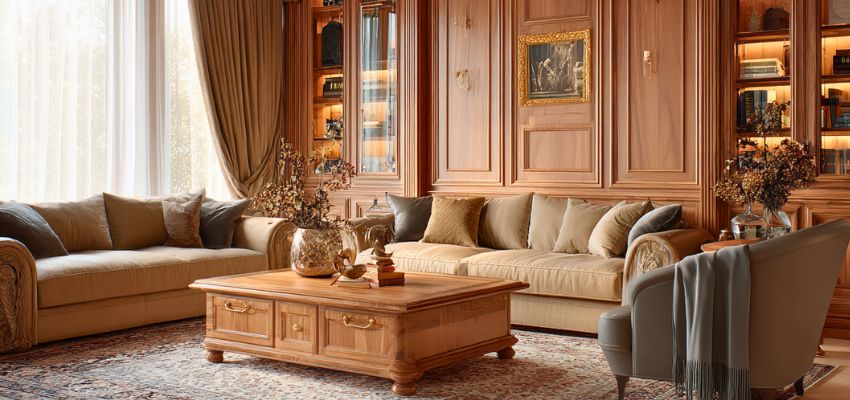
What Is Oak Wood?
Hardwood Properties And Natural Durability Of Oak
Oak is a dense and durable hardwood that comes from slow-growing deciduous trees. Its cellular structure gives it strength and natural resistance to moisture, rot, and heavy wear. Oak’s appearance varies by species, ranging from warm reddish-brown to pale white tones. Over time, it develops a rich patina.
Why Is Oak Often Used For High-End Furniture And Flooring
Oak is widely used for flooring, cabinetry, and heirloom-quality furniture due to its strength and stability. Dining tables, bookcases, and cabinets made from oak can withstand years of use. Its durability makes it a trusted choice for long-lasting furniture.
Pros And Cons Of Oak For Home Improvement Projects
Oak is exceptionally durable and has a timeless visual appeal. Its strength allows it to handle high-traffic areas without losing its structural integrity. However, oak is generally more expensive than pine because it grows more slowly and is denser. Its hardness can also make it more difficult for beginner woodworkers to cut and shape without the right tools.
Pine Vs Oak: Key Differences For Furniture And DIY Projects
Durability And Hardness
- Oak is significantly harder than pine, making it far more resistant to heavy use. Oak furniture can better withstand daily activity. It will show minimal damage from dropped items or scraping from chairs.
- Pine is durable enough for many uses, but it will show wear more quickly in high-traffic areas.
Weight And Structural Strength
- Oak is heavier and structurally stronger. This makes it well-suited for weight-bearing furniture and flooring.
- Pine is much lighter. This makes it a better choice for certain projects. It’s great for ceiling beams, paneling, or shelving.
Cost
- If you’re on a budget, pine is the more affordable choice. This makes it a great option for large projects like wall paneling or decorative trim.
- Oak requires a larger initial investment, but its durability often makes it more cost-effective over time.
Maintenance And Longevity
- Pine furniture needs protective finishes and occasional maintenance to last longer.
- Oak requires less upkeep due to its natural strength and resistance to environmental factors. It ages gracefully with minimal intervention.
Oak Grain Vs Pine Grain: Patterns And Aesthetic Differences
- Oak features a bold, wavy grain and a coarse texture that adds depth to furniture and flooring. Even when stained, its prominent grain provides a refined, timeless look ideal for traditional or luxury interiors.
- Pine, on the other hand, has a straighter grain with dark knots, giving it a rustic charm. The varied knot patterns make each piece of furniture look unique and casual. Its light tone and organic look make it a popular choice for farmhouse, cottage, and rustic homes.
Home Improvement Projects: Which Should You Choose?
Budget And Project Scope
For large decorative projects, such as wall paneling or shiplap, pine is an effective and budget-friendly solution. For a functional centerpiece, prioritize oak for lasting value in custom dining tables or kitchen islands. Working with premium reclaimed or specialty timber from Vintage & Specialty Wood can also add distinctive character to statement pieces like tables, shelving, or kitchen islands.
Durability And Longevity
Consider the amount of wear and tear your project will endure. Pine is a good choice for decorative trim, ceiling features, and furniture that won’t see heavy use. However, oak’s superior durability makes it a better investment. Use it for flooring, dining tables, and frequently used chairs.
Style And Design Preferences
Your home’s design style can also influence your choice. Pine complements relaxed interiors like farmhouse, cottage, and coastal designs. Oak, on the other hand, suits traditional, refined, and classic décor.
Frequently Asked Questions
Is pine wood durable enough for long-term use?
With proper care and sealing, pine furniture can last for decades. It may develop small dents over time, which adds to its natural, lived-in character.
Which is better for furniture: pine vs oak?
Oak is generally better for high-use items like dining tables and cabinets. Pine is better suited for decorative pieces and budget-friendly projects.
What is the difference between oak and pine grain?
Oak grain is bold and wavy with a coarse texture. Pine grain is smoother, with visible knots that give it a rustic look.
Is pine wood cheaper than oak?
Yes, pine is typically cheaper than oak because pine trees grow faster and are more abundant.
Which wood is easier for DIY projects: pine or oak?
Pine is easier to work with as it’s softer and can be cut and sanded more easily than hardwoods like oak.

Choosing Between Pine Wood And Oak: Start Your Project With The Right Timber
Both pine and oak offer valuable qualities, but each serves different purposes. Pine is affordable, workable, and has a rustic charm. This makes it well-suited for decorative builds and DIY furniture. Oak, on the other hand, is more durable and has a striking grain. It’s ideal for flooring, structural pieces, and long-lasting furniture. The ideal choice depends on your budget, design goals, and the wear your project will endure.
Ready to start your upcoming woodworking or home improvement project? Finding the right materials is the first step. Check out Vintage & Specialty Wood for a selection of high-quality reclaimed and specialty timber. Whether you need hardwoods or rustic softwoods, their premium inventory has what you need to build something extraordinary.
Hire The Timber Experts For Your Next Project
Vintage & Specialty Wood should be your source of the highest quality timbers from around the world. When it comes to fabricating and installing reclaimed wood or specialty wood products in your home, we don’t cut corners. We offer many reclaimed wood and specialty wood products such as Douglas Fir, white oak, and much more. We also offer timber framing and wood flooring services as well. Contact our team today to speak to a timber expert about what Vintage & Specialty Wood can do for you.

This Blog Is Fact Checked
This content has undergone meticulous fact-checking by our team of internal experts. Gain a deeper understanding of the high editorial standards we uphold on our website here.

About The Author
Experience, exploration, and knowledge are the hallmarks of writer Rei Bayucca. Her dedication to crafting articles that both inspire and educate will leave you thinking long after you’ve finished reading.