What Is SPF Wood? Uses, Benefits, And Buying Guide
Published April 16, 2026
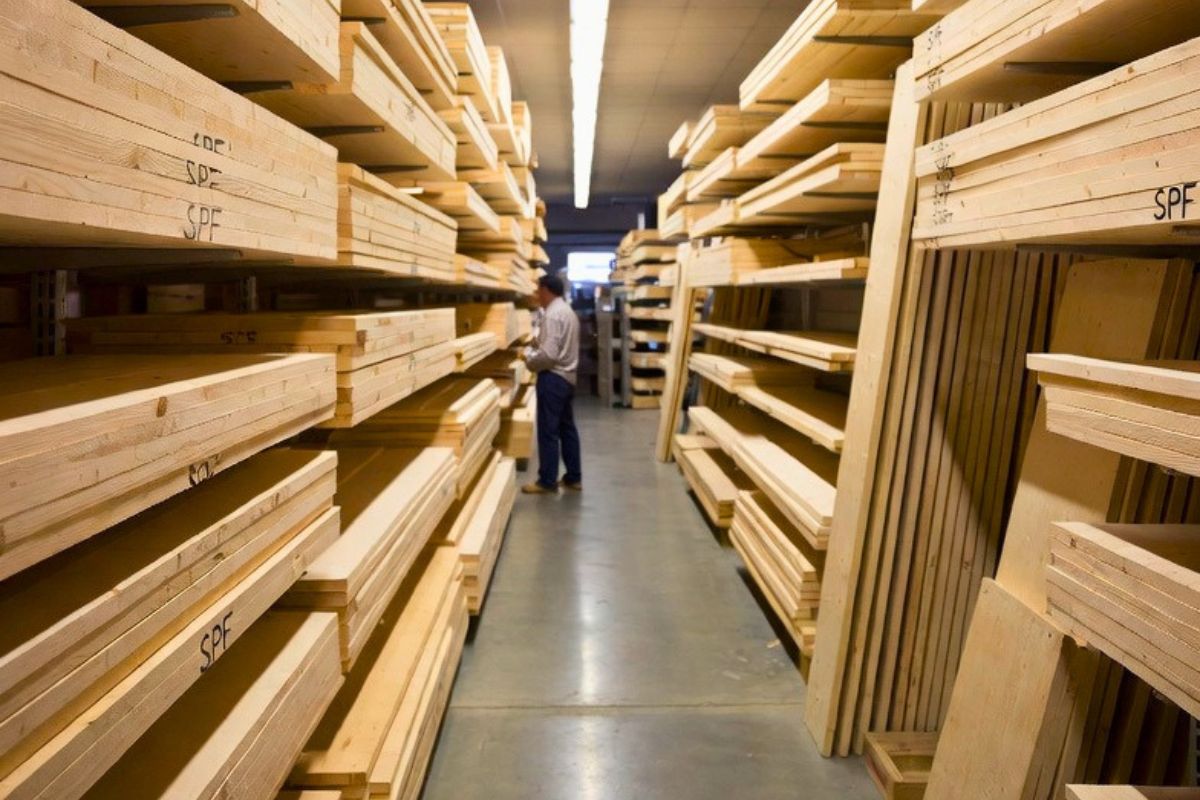
Walking down the lumber aisle at a hardware store can feel overwhelming. You’ll see stacks of wood labeled with mysterious acronyms. One of the most common labels is SPF, short for Spruce, Pine, and Fir. Understanding your materials is crucial. This is true whether you’re framing a house, building a shed, or crafting furniture. SPF wood is a staple in construction and woodworking, known for its affordability, strength, and ease of use.
In this article, we’ll explore everything you need to know about SPF lumber. First, we’ll look into its physical properties and top applications. Next, we’ll see how it compares to other types of lumber. We’ll finish with a comprehensive buying guide to help you select the best materials for your specific needs.
What Is SPF Lumber? (SPF Wood Meaning Explained)
SPF stands for Spruce, Pine, and Fir. The term is used in the lumber industry to group these three softwoods together. Because they share similar physical and mechanical properties, they’re processed and sold as one category.
The SPF classification includes various species from across North America. These are typically grouped into Eastern SPF and Western SPF. While there are regional differences, it’s important to note that it performs similarly in most building applications.
- Eastern species, such as White Spruce, Black Spruce, Red Spruce, Jack Pine, and Balsam Fir, grow more slowly. As a result, they develop tighter grain and stronger fibers.
- Western SPF includes Engelmann Spruce, Lodgepole Pine, and Alpine Fir. Unlike their Eastern counterparts, these come from larger trees and are produced in higher volumes.
With its light color ranging from nearly white to pale yellow, SPF wood offers a straight, uniform grain and often contains small, tight knots. These knots rarely affect its strength, making the wood both structurally reliable and visually appealing.
Why SPF Wood Is Popular In Construction And DIY Projects
The wood is one of the most popular materials in construction because it balances performance and affordability. Its lightweight nature makes it easy to handle on-site. At the same time, it offers the structural reliability needed for framing and general building.
Its consistent grain and smooth texture make SPF practical for DIY projects, furniture, and other interior uses where appearance matters. Its wide availability ensures it remains a top choice among builders, contractors, and hobbyists.
Physical And Mechanical Properties Of SPF Wood
Strength And Load-Bearing Capacity
Though classified as a softwood, SPF lumber boasts an excellent strength-to-weight ratio and moderate density, allowing it to efficiently support structural loads while keeping overall weight low. This makes SPF ideal for wall studs, floor joists, and roof trusses.
Dimensional Stability And Resistance To Warping
With naturally low shrinkage and swelling rates, it resists warping, cupping, and twisting better than many other softwoods. This is true even when exposed to humidity changes. The resistance helps maintain straight walls and even floors over time.
Workability And Ease Of Use
Easy to cut, shape, and fasten with standard tools, the wood holds nails and screws well and seldom splits. This speeds up construction and reduces tool wear.
Aesthetic Appeal And Finish
Clean and bright in appearance, the wood works well for visible applications. Its smooth surface accepts paint, stain, and other finishes, offering versatile design options.
SPF Lumber Grades And Classification
Common Species
SPF, a blend of Spruce, Pine, and Fir, mainly consists of White Spruce, Lodgepole Pine, and Balsam Fir. Because these woods have similar properties, they’re often grouped and sold together under a single SPF label rather than separated.
Understanding Grade Stamps And Quality Levels
When you buy this type of wood, each board has a grade stamp indicating its quality, moisture content, and intended use. Grading agencies check for defects like knots, splits, and wane (bark on the edge). By understanding these stamps, you can select the right board for any project.
Structural Vs. Appearance Grades
It’s sold in two main grades: structural and appearance. Structural grades (such as No. 1 or No. 2) prioritize strength and work best for framing, while appearance grades highlight visual quality with fewer knots and blemishes. If your project includes visible wood, select an appearance-grade board.
Common Uses For SPF Wood
Structural Framing
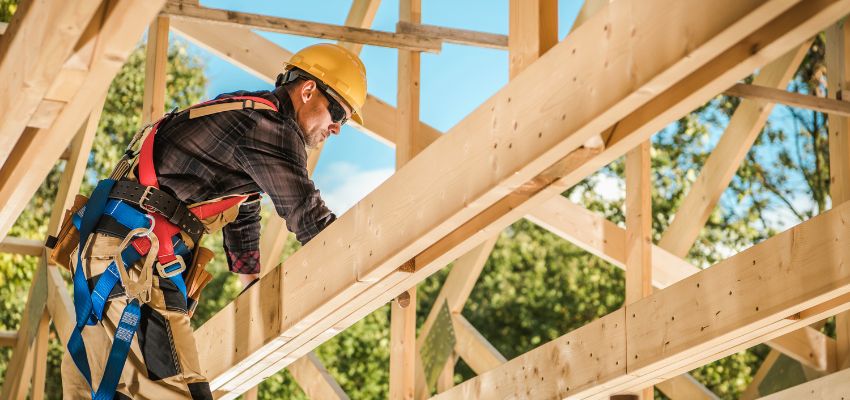
In residential construction, SPF wood is commonly used for framing—wall studs, floor joists, and roof trusses. Its strength-to-weight ratio makes constructing strong, stable structures much simpler.
Sheathing, Subflooring, And Interior Construction
SPF is popular for sheathing and subflooring, providing a stable base for siding and floor finishes. Its dimensional stability helps avoid squeaky floors and keeps walls even.
Furniture, Cabinetry, And DIY Projects
Easy to cut and finish, SPF is a popular choice for DIY furniture and cabinetry projects like rustic tables, shelves, and benches. Its affordability also allows for woodworking experimentation without the risk of wasting expensive materials.
Industrial Packaging
Widely used for industrial shipping materials, the wood boasts a robust strength-to-weight ratio, making it ideal for pallets, crates, and dunnage. It protects heavy goods without adding much weight to shipments.
Benefits Of SPF Wood
- Cost-effective: One of the biggest advantages of SPF lumber. The abundance and quick growth of SPF trees result in lower costs compared to hardwoods and many softwoods. Builders can meet high structural standards while staying within budget.
- High strength-to-weight ratio: It’s lightweight yet strong. This characteristic reduces fatigue for carpenters and framers handling many boards. Lighter weight also means lower transportation costs from the mill to the lumberyard.
- Wide availability and versatility: SPF wood is available at most lumberyards and home improvement stores across North America, and its versatility allows you to use one type of wood for multiple project phases, from structural framing to interior trim.
- Sustainability: SPF lumber is a highly sustainable building material. The forests in North America where these trees grow are strictly managed, which ensures responsible harvesting and replanting. Trees also take in carbon dioxide as they grow, making it a low-carbon alternative to steel or concrete.
SPF Wood Vs. Other Lumber Types
SPF Vs. Hardwood
Sourced from deciduous trees, hardwoods like oak and maple are much denser and heavier than SPF. Their greater durability and scratch-resistance make hardwoods ideal for high-end flooring and furniture, but they’re pricier and harder to work with. SPF is usually chosen for structural framing, while hardwoods suit premium finishes.
For projects needing more than standard hardwood, consider reclaimed and specialty wood. These options offer greater character and uniqueness. Suppliers like Vintage & Specialty Wood provide materials with a distinct architectural and design appeal.
SPF Vs. Douglas Fir And Southern Yellow Pine
Southern Yellow Pine (SYP) and Douglas Fir are other common softwoods used in construction. SYP’s greater weight and density increase strength but add difficulty to handling, while Douglas Fir stands out for its structural strength and richer color. Still, SPF is often the top general framing option because of its lighter weight and affordable cost.
When To Choose SPF Lumber
Lightweight, affordable, and dimensionally stable, the lumber excels in indoor construction. It’s an excellent pick for wall studs, interior DIY projects, and painted furniture. On the other hand, when projects require extreme load-bearing strength or outdoor rot resistance, consider SYP or treated alternatives instead.
Buying Guide: How To Choose The Best
How To Identify High-Quality Lumber
When picking SPF wood, carefully inspect each board. Seek out straight pieces with minimal defects, avoiding those with large cracks, excessive knots, or visible damage.
Moisture Content: Kiln-Dried Vs. Green Wood
Look for a moisture content stamp on the wood. Look for “KD” (Kiln-Dried), which indicates the wood has been oven-dried to reduce moisture and is less likely to warp or shrink versus “green” (unseasoned) wood.
Standard Sizes And Dimensions
Remember that lumber’s nominal size (such as a 2×4) doesn’t match its actual dimensions. For instance, a standard SPF 2×4 really measures 1.5 by 3.5 inches, adjusted after planing and drying. Always use these actual dimensions so your project fits perfectly.
Practical Buying Tips
Here are a few tips to keep in mind when buying SPF wood for your project:
- Inspect each board: Take your time and pick through the lumber stack to find the straightest pieces. Set aside any that are warped or damaged.
- Buy extra: It’s always a good idea to get a little extra material, which helps account for potential mistakes or offcuts.
- Let it acclimate: Before you start building, allow the wood to adjust to your home’s humidity for a few days.
Frequently Asked Questions
What is SPF lumber used for in construction?
SPF lumber is primarily used for structural framing, including wall studs, roof trusses, and floor joists. It’s also suitable for sheathing, sub-flooring, and interior millwork.
Is SPF wood strong enough for structural use?
Yes. It has an excellent strength-to-weight ratio. It’s the standard material for framing houses and light commercial buildings across North America.
Is SPF lumber suitable for outdoor use?
Not in its natural state. Untreated wood rots quickly when exposed to the elements. For outdoor projects, it must be pressure-treated or thoroughly sealed.
How does it compare to hardwood?
SPF is a softwood, which means it’s lighter, easier to cut, and more affordable than hardwoods. Hardwoods are denser, heavier, and more expensive, making them a better choice for fine furniture and flooring.
What are the disadvantages?
The main drawback is its lack of natural weather resistance. It’s prone to rotting when exposed to moisture and is vulnerable to insect damage. Instead, consider using pressure-treated wood, cedar, or hardwoods for ground contact, outdoor decking, or heavy-duty industrial flooring.
Why SPF Wood Remains A Smart Choice For Builders And DIYers
SPF wood is a practical and cost-effective choice. It’s suitable for many construction and woodworking projects. It offers a balance of strength, lightweight handling, and versatility. This makes it ideal for structural framing and DIY builds. While it needs treatment for outdoor use, it remains a preferred material. This is due to its affordability, availability, and ease of use. Knowing its properties helps you choose the right wood for your project. With SPF lumber, you can deliver lasting results.
Looking to elevate your next project? Go beyond standard framing lumber. Consider premium reclaimed options from Vintage & Specialty Wood. You’ll find unique materials that add character and distinction to your builds.
Hire The Timber Experts For Your Next Project
Vintage & Specialty Wood should be your source of the highest quality timbers from around the world. When it comes to fabricating and installing reclaimed wood or specialty wood products in your home, we don’t cut corners. We offer many reclaimed wood and specialty wood products such as Douglas Fir, white oak, and much more. We also offer timber framing and wood flooring services as well. Contact our team today to speak to a timber expert about what Vintage & Specialty Wood can do for you.

This Blog Is Fact Checked
This content has undergone meticulous fact-checking by our team of internal experts. Gain a deeper understanding of the high editorial standards we uphold on our website here.

About The Author
Experience, exploration, and knowledge are the hallmarks of writer Rei Bayucca. Her dedication to crafting articles that both inspire and educate will leave you thinking long after you’ve finished reading.